

 Français
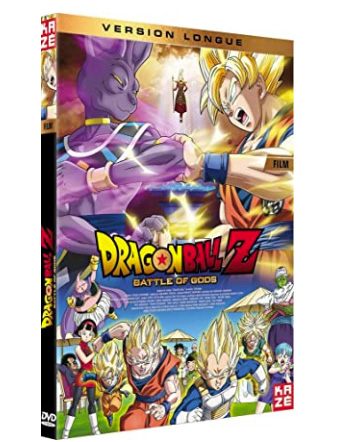
Dragon Ball Z: Battle of Gods
Synopsis
Following the defeat of Majin Buu, peace returns to Earth until Beerus, the formidable God of Destruction, awakens from a long slumber. Seeking a worthy challenger from a prophetic dream, Beerus and his attendant Whis travel to Earth to confront Goku and the Z Fighters. Powered by ancient divine energy, Beerus easily overwhelms the heroes, forcing Goku to unlock the legendary Super Saiyan God transformation. A monumental clash ensues to determine the fate of the entire planet.
The Making of the Film
- Series creator Akira Toriyama became directly involved in the production of this film to ensure it honored the original manga continuity after years of disappointing spin-offs. The inspiration for the story came from Toriyama wanting to explore a divine hierarchy within the Dragon Ball universe, introducing gods responsible for creation and destruction. Animation studios Toei Animation wanted to revitalize the iconic franchise on the big screen after a long theatrical hiatus. This marked a monumental return for the beloved anime property with direct creative oversight from its original creator.
Critical Reception
Professional critics and anime reviewers praised the film for its successful revival of the classic franchise, highlighting its blend of nostalgic humor and high-octane action. Many reviews commended the introduction of Beerus and Whis, who quickly became fan-favorite additions to the expansive lore. Reviewers noted that the film managed to recapture the distinct charm of the original series while delivering modern, fluid animation quality. Overall, it was welcomed as a triumphant comeback for Goku and his companions on the silver screen.
Public reception was overwhelmingly ecstatic, with passionate fans packing theaters across Japan and international markets to witness Goku's new transformation. Audiences appreciated the return of classic comedic elements alongside epic martial arts showdowns that defined their childhoods. Word of mouth propelled the movie to box office success, proving the enduring global appeal of the property. Fans widely celebrated the expansion of the divine cosmology within the overarching narrative.
The film earned numerous accolades within Japanese animation awards and international anime film festivals for its commercial success and artistic revival. It was credited with paving the way for a brand-new era of Dragon Ball media, including subsequent films and the television series Dragon Ball Super. The voice cast received widespread praise for their timeless performances reprising iconic roles after many years.
Filming Anecdotes
The director drew inspiration from classic martial arts cinema, ancient mythology, and Akira Toriyama's signature blend of slapstick comedy and epic action. He aimed to balance lighthearted slice-of-life moments with earth-shattering combat sequences that pushed the animation limits. Cinematic influences included classic adventure serials and mythical epics exploring celestial deities. These artistic choices helped establish a fresh tone that modernized the classic franchise for contemporary audiences.
Production faced intense pressure from fans and executives alike to deliver a theatrical movie worthy of the legendary anime legacy. Animators utilized a hybrid of traditional hand-drawn techniques and modern digital effects to create dynamic fight choreography that felt fluid and impactful. Voice actors recorded their lines with immense enthusiasm, often improvising subtle comedic cues during casual party scenes. The collaborative environment ensured that the spirit of camaraderie among the characters translated authentically onto the screen.
One particularly memorable sequence involved the extravagant birthday party cruise for Bulma, where Beerus becomes obsessed with trying Earth's various culinary delicacies. This comedic interlude provided a hilarious contrast to the impending doom of the planet, showcasing Toriyama's trademark humor. Animators paid meticulous attention to detail when drawing the various food dishes to make them look as appetizing as possible. Fans frequently cite this comedic buildup as one of the most entertaining parts of the entire film.
The initial casting process brought back the legendary voice cast who had voiced the iconic characters for decades, ensuring absolute authenticity. Masako Nozawa returned effortlessly to voice both Goku and his family members with her signature energetic delivery. New voice actors were carefully selected to portray Beerus and Whis, successfully capturing their divine yet eccentric personalities. This expert voice direction anchored the emotional and comedic weight of the cinematic experience.
Themes Explored
- The burden of immense power and the constant pursuit of self-improvement.
- Divine balance between creation, destruction, and the preservation of life.
- Friendship, camaraderie, and the collective strength of defending loved ones.
- Acceptance of one's limitations and striving to surpass personal boundaries.
Ending Explained
The climax features Goku battling Beerus at his absolute limit using the newly attained Super Saiyan God form high above the Earth. Despite putting up a valiant fight, Goku ultimately exhausts his divine energy and loses the match, leaving the planet's fate hanging in the balance. However, Beerus decides to spare Earth, revealing that he was simply testing Goku's strength and is impressed by humanity's delicious food. The film concludes on a peaceful, lighthearted note as the heroes celebrate together, knowing formidable new cosmic horizons await them.
Title Significance
The title directly references the central conflict of the narrative, highlighting the monumental clash between mortal warriors and divine cosmic entities. It signalled a major shift in the franchise scale, moving beyond Earth-bound villains into a vast multiverse of gods.
Original Soundtrack
The soundtrack features an electrifying orchestral score composed by veteran musician Norihito Sumitomo, blending traditional heroic themes with modern rock elements. The music heightened the dramatic tension during intense combat sequences and added whimsical charm to comedic moments. A special insert song by the rock band Maximum the Hormone became an iconic anthem for the film's thrilling fight scenes.
Similar Films
- Dragon Ball Z: Resurrection 'F' (2015)
- Dragon Ball Super: Broly (2018)
- Dragon Ball Super: Super Hero (2022)
- One Piece Film: Z (2012)
- Naruto the Movie: Blood Prison (2011)