

 Français
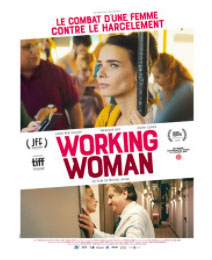
Working Woman
Synopsis
Working Woman follows Orna, a dedicated, ambitious mother and wife in Tel Aviv who lands a promising new job at a bustling real estate firm to help support her family financially. Initially thrilled with her success and the mentorship of her powerful, charming boss, Orna soon finds her workplace turning into a psychological nightmare as her boss subjects her to escalating sexual harassment, inappropriate advances, and coercive control. As she struggles between risking her career and enduring abuse, Orna must find the courage to fight back.
The Making of the Film
Directed by Michal Aviad, the film was inspired by numerous real-life testimonies of sexual harassment and workplace abuse in Israel. The inspiration stemmed from wanting to examine how subtle power dynamics and psychological coercion operate in modern corporate environments. The production utilized authentic Tel Aviv office locations, naturalistic lighting, and tense framing.
Critical Reception
Critics universally lauded Working Woman as a powerful, timely #MeToo drama, praising Liron Ben-Shlush's extraordinary, nuanced lead performance and Aviad's gripping direction. Reviewers highlighted the film's realistic depiction of how workplace harassment creeps in incrementally without falling into melodrama. The urgent tone received widespread critical acclaim.
Audiences embraced the movie as a gripping, highly relevant portrait of workplace survival.
The film earned recognition across international film festivals for its social importance and lead acting.
Behind-the-Scenes Stories
Michal Aviad drew heavy inspiration from real corporate harassment cases and investigative journalism reports.
Shooting inside real Tel Aviv office buildings required careful coordination to maintain a tense, claustrophobic atmosphere.
During production, lead actress Liron Ben-Shlush maintained immense psychological focus to portray the compounding stress of harassment.
Casting Menashe Noy alongside Liron Ben-Shlush brought chilling complexity to the dynamic between boss and employee.
Themes Explored
The film explores workplace sexual harassment, corporate power dynamics, #MeToo trauma, family financial pressure, psychological coercion, and resilience.
Ending Explained
The powerful climax shows Orna finally resigning and standing united with her supportive husband, taking legal action against her abuser and reclaiming her dignity.
Meaning of the Title
Reference to the protagonist's dual role as a mother and career professional (Working Woman) navigating a predatory corporate world.
Similar films include The Assistant, She Said, Bombshell, and Disclosure.