

 Français
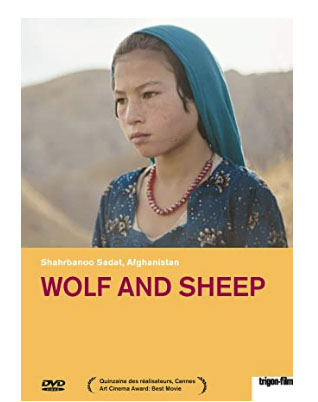
Wolf and Sheep
Synopsis
Set in a remote, isolated rural village in the mountains of Afghanistan, a group of young shepherd children spend their days tending herds, playing games in the rocky landscape, and sharing local folklore and superstitions. Among them are Sediqa, an outcast young girl wearing traditional boy clothing for protection, and Qodrat, a lonely shepherd boy who loses his father. As they navigate the harsh daily realities of rural Afghan survival, the children observe the strict tribal customs, arranged marriages, and lingering threats of local outlaws. This poetic biographical drama offers an intimate glimpse into traditional Afghan childhood.
The Making of the Film
Director and writer Shahrbanoo Sadat developed the poetic drama drawing heavily on her own childhood memories growing up among nomadic shepherds in rural Afghanistan. Sadat sought to capture an authentic, unvarnished slice-of-life perspective of Afghan rural society focusing entirely on children rather than war politics or terrorism. European co-production funds backed the independent art-house film. The project was designed as a unique feminist window into Afghan culture.
Critical Reception
Professional critics gave generally positive reviews, praising its breathtaking natural cinematography, authentic casting of non-professional village children, and poetic, unhurried narrative rhythm. Reviewers noted that the film provided a rare, refreshing human portrait of Afghan life free from typical Hollywood war clichés. It won the prestigious CICAE Art Cinema Award at the Cannes Film Festival.
Public reception was modest among art-house and international film festival audiences, appreciating the hypnotic visual poetry and cultural immersion. It carved out a respected reputation in world cinema.
Awards and recognition included winning the Art Cinema Award in the Directors' Fortnight section at the 2016 Cannes Film Festival, alongside international festival honors. The film remains celebrated as a landmark of Afghan female filmmaking.
Behind-the-Scenes Stories
- Inspirations: The director drew inspiration from the filmmaker's personal childhood nomadic diaries, traditional Afghan folklore, and poetic neo-realist cinema.
- Difficulties: Production challenges included filming in extremely remote, mountainous Afghan terrain with non-professional child actors who had never seen a movie camera before. Security concerns and harsh weather tested the crew.
- Anecdote: A memorable anecdote involves director Shahrbanoo Sadat spending months living directly with the nomadic shepherd villagers in order to cast and train local children to act naturally in front of hidden cameras. The non-professional young leads brought profound unscripted innocence to their roles.
- Casting: The casting process utilized local nomadic village children with zero prior acting experience, led by non-professional child actors Sediqa Rasuli and Qodratollah Qadiri. The ensemble brought authentic cultural realism.
Themes Explored
The themes explored include rural childhood, nomadic traditions, gender roles, superstition, and community resilience in Afghanistan. The story examines how children find moments of innocent joy amidst harsh, isolated patriarchal landscapes. It also highlights local folklore.
Ending Explained
The ending shows Sediqa and Qodrat finding solace and quiet companionship in each other as their remote mountain community prepares for another grueling winter of nomadic survival, having navigated local superstition and tribal rites of passage. Standing together on the rocky hillside overlooking their grazing sheep, the children look toward the horizon with quiet resilience. The film concludes on a poetic, open-ended art-house note.
Meaning of the Title
The title 'Wolf and Sheep' refers directly to the dangerous predatory wolves lurking in the Afghan mountains and the defenseless sheep guarded by the children, serving as a powerful metaphor for tribal vulnerability and survival. It is poetic and symbolic. The name sets an art-house drama tone.
The film is frequently discussed among fans of international art-house cinema and authentic Middle Eastern storytelling.
The Breadwinner, Kandahar, Nader and Simin, A Separation