

 Français
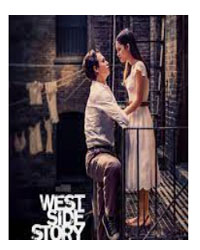
West Side Story
Synopsis
Set in the racially divided Upper West Side of New York City in 1957, two rival teenage street gangs—the white Jets and the Puerto Rican Sharks—battle for neighborhood dominance. Amidst the hatred and tension, former Jet Tony and Maria, the innocent sister of the Shark leader, fall deeply in love at a neighborhood dance. Their passionate romance defies cultural boundaries, sparking a tragic chain of events that threatens both communities. Ultimately, their heartbreaking sacrifice exposes the devastating futility of prejudice and gang warfare.
The Making of the Film
Director Steven Spielberg fulfilled a lifelong childhood dream by adapting the legendary 1957 Broadway musical created by Arthur Laurents, Leonard Bernstein, and Stephen Sondheim. The project was conceived as a vibrant cinematic reimagining honoring the original stage masterpiece while bringing renewed cultural authenticity to the Puerto Rican characters. Spielberg collaborated with Pulitzer Prize-winning screenwriter Tony Kushner to deepen the socio-economic context of urban renewal in 1950s New York. The production utilized massive physical street sets and recruited bilingual actors to ensure cultural representation.
Critical Reception
Critics offered overwhelming critical acclaim upon release, praising its breathtaking choreography, stunning visual direction, and powerhouse performances. Reviewers lauded Steven Spielberg for revitalizing the Hollywood musical genre with kinetic energy, emotional resonance, and cinematic brilliance. The performances of Rachel Zegler, Ansel Elgort, and Ariana DeBose received universal acclaim, with special praise for Rita Moreno in a triumphant return. It established itself instantly as a towering triumph of modern musical cinema.
Audiences embraced the lavish musical revival, marveling at its spectacular dance numbers, gorgeous cinematography, and timeless emotional core. Viewers of all generations praised the respectful cultural updates and the spellbinding vocal performances of the fresh-faced cast. While box-office numbers were modest due to post-pandemic theatrical conditions, it became a beloved critical darling and streaming favorite. Many hailed it as a worthy successor to the legendary 1961 film adaptation.
West Side Story won the Academy Award for Best Supporting Actress for Ariana DeBose, alongside numerous Oscar nominations including Best Picture and Best Director. It also triumphed at the Golden Globe Awards, winning Best Motion Picture – Musical or Comedy. The film's stunning art direction, sound design, and cinematography were recognized by major global film guilds. These prestigious accolades cemented its legacy as a modern cinematic masterpiece.
Behind-the-Scenes Stories
Steven Spielberg was inspired by his deep childhood love for Leonard Bernstein's original Broadway cast album, listening to it repeatedly growing up. He wanted to bring a grittier, more historically grounded perspective to the racial tensions of 1950s New York urban renewal. The visual style utilized rich autumn color palettes, dynamic crane shots, and expressive choreography by Justin Peck. The director also drew from historical archives documenting the demolition of old San Juan Hill to build Lincoln Center.
Recreating the demolished tenement streets of 1950s Manhattan on massive physical outdoor soundstages in Brooklyn required immense engineering and design coordination. The cast underwent grueling months of dance, vocal, and acting rehearsals prior to principal photography to achieve Broadway-level perfection. Spielberg insisted on recording all musical numbers live on set rather than using pre-recorded studio playback to capture raw vocal emotion. Despite the immense physical demands of singing and dancing simultaneously, the cast delivered flawless performances.
During the filming of the emotionally devastating gymnasium dance sequence, Rachel Zegler and Ansel Elgort experienced genuine nervous excitement that heightened their characters' romantic chemistry. Rita Moreno, who won an Oscar in the 1961 film, provided invaluable mentorship to the young cast on set. Crew members frequently wept behind the monitors during the climactic tragic confrontation scenes. The palpable emotional intensity on set translated directly into the cinematic brilliance of the final cut.
Casting directors conducted an exhaustive nationwide talent search involving over thirty thousand young actors to find authentic, bilingual performers. Rachel Zegler was discovered through an online video submission at age seventeen, securing the star-making role of Maria. Ariana DeBose was cast as Anita, bringing breathtaking dance mastery and fierce dramatic power to the role. Veteran screen icon Rita Moreno was specially brought in as Valentina to bridge the legacy of the original film.
Themes Explored
The film heavily explores racial prejudice, cultural displacement, and the tragic consequences of senseless gang tribalism. It examines the immigrant experience and the broken American dream during urban gentrification. Another core motif is the transcendent power of first love defying societal boundaries. It also touches upon grief, forgiveness, and the urgent need for cross-cultural understanding.
Ending Explained
The film concludes with Tony being fatally shot in Maria's arms amidst the grieving street gangs, realizing the tragic cost of their hatred. Rather than seeking revenge, Maria holds her dead lover and shames both the Jets and the Sharks for their senseless violence. She reminds both factions that their hatred killed everyone they loved, forcing the gang members to finally carry Tony's body together in shared sorrow. The poignant final shots show Maria walking away with quiet dignity, leaving a transformed neighborhood behind.
Meaning of the Title
The title refers literally to the geographical setting of the dramatic events in the gritty tenements of New York City's Upper West Side. It invokes the classic Shakespearean tragedy of Romeo and Juliet transposed onto mid-century American street culture. The phrasing establishes an iconic theatrical legacy recognized worldwide. It encapsulates the neighborhood crucible where love and prejudice collide.
Similar films include West Side Story (1961), In the Heights, Les Misérables, and Romeo + Juliet, which feature tragic romance, urban conflict, and musical theater adaptations.