

 Français
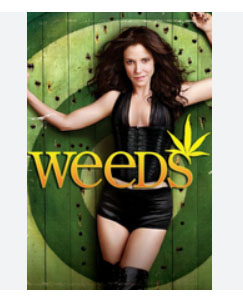
Weeds
Synopsis
Nancy Botwin is a suburban, middle-class California mother whose comfortable life is suddenly upended when her husband dies unexpectedly of a heart attack, leaving her with massive debts. To maintain her affluent suburban lifestyle and provide for her two sons, she turns to a lucrative alternative career: selling marijuana to her wealthy, hypocritical neighbors. As her small-time neighborhood dealing expands into cartel-level international drug trafficking, Nancy finds herself dodging federal agents, rival kingpins, and dangerous mobsters. The series offers a razor-sharp, satirical look at suburban crime.
The Making of the Film
Creator Jenji Kohan developed the dark comedy-drama series as a satirical exploration of suburban hypocrisy, capitalism, and maternal survival. Kohan was inspired by real-life suburban housing developments where identical homes hide extraordinary illicit secrets. The production was designed to blend biting social satire with serialized crime drama. Filmmakers utilized sun-drenched Southern California locations to construct the fictional pastel-colored suburb of Agrestic. The project was built to be a binge-worthy counter-culture hit for Showtime.
Critical Reception
Critics offered widespread critical acclaim, praising Mary-Louise Parker's charismatic, Emmy-winning lead performance and the show's fearless, edgy comedic writing. Reviewers commended the series for subverting traditional sitcom tropes, offering a witty critique of American suburban morality and drug laws. Some critics noted that the later seasons drifted into chaotic, far-fetched cartel melodrama, yet lauded its overall entertainment value and stellar ensemble cast. It emerged as a major prestige television success.
Audiences embraced the series with immense enthusiasm, turning it into a massive cultural hit and rating powerhouse for Showtime. Viewers fell in love with Nancy Botwin's stylish suburban drug-dealer persona, her chaotic family, and the hilarious supporting characters like Andy and Silas. The catchy theme song "Little Boxes" and sharp black comedy kept streaming fans hooked across eight seasons. Fans celebrated its unique blend of crime and comedy.
The series achieved major award recognition, winning multiple Emmy Awards and Golden Globe Awards, including a Best Actress Golden Globe for Mary-Louise Parker. The supporting cast also earned critical praise. The project cemented its status as a landmark milestone in premium cable dark comedy.
Behind-the-Scenes Stories
Creator Jenji Kohan wanted to create a show that exposes the dark underbelly of seemingly perfect American suburbs, using marijuana sales as a Trojan horse to examine capitalism. She envisioned Nancy Botwin not as a hardened criminal, but as a desperate soccer mom willing to do anything to protect her kids. The production team designed identical pastel suburban houses on studio backlots to symbolize suffocating conformity.
Shooting across Southern California suburban neighborhoods and sound stages required intricate wardrobe styling and prop coordination. Managing complex multi-season cartel arcs demanded rigorous writer-room planning. Maintaining a sharp, satirical tone required careful editorial control.
During the frantic drug-dealing and neighborhood gossip sequences, Mary-Louise Parker performed with effortless charm, lighting joints with total deadpan poise. The supporting cast improvised hilarious comedic banter during family dinner scenes. These practical efforts created television history.
Mary-Louise Parker led the cast as Nancy Botwin, supported by Justin Kirk, Hunter Parrish, Kevin Nealon, and Elizabeth Perkins. The casting process gathered comedic royalty. The resulting ensemble delivered peerless dramatic chemistry.
Themes Explored
The series explores suburban hypocrisy, the war on drugs, capitalism, maternal survival, grief, and moral compromise. It examines how ordinary people slide into serious crime when financial security collapses. The narrative ultimately champions family loyalty over legality.
Ending Explained
The final season jumps forward in time, showing Nancy having survived cartel wars, federal prison, and various shootings, finally achieving legitimate business success as a franchise owner of bakery shops selling legal cannabis. She sits on her porch sharing a joint with her brother-in-law Andy, watching her sons grow into independent adults at peace with their chaotic past. The final moments bring the suburban drug saga full circle. The ending offers a satisfying, contemplative conclusion to her criminal journey.
Meaning of the Title
The title "Weeds" serves as a brilliant double entendre referring both to cannabis plants and the invasive weeds choking the manicured lawns of the hypocritical suburban neighborhood. It symbolizes illegal enterprise and hidden decay. The catchy title set an iconic premium cable tone.
Original Soundtrack
Featuring the iconic theme song "Little Boxes" by Malvina Reynolds covered by various artists across seasons alongside eclectic indie rock tunes, the soundtrack is an absolute delight. The clever musical cues amplify the suburban satire, delighting music lovers.
Latest News
- The series remains a beloved premium cable classic celebrated for pioneering the prestige dark comedy wave on television.
Similar Films
Fans of dark comedies and crime series will enjoy Breaking Bad (2008), Nurse Jackie (2009), Desperate Housewives (2004), and Ozark (2017), all exploring suburban crime.