

 Français
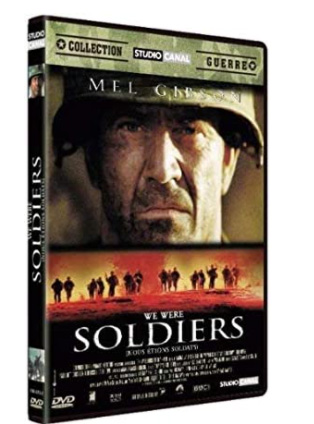
We Were Soldiers
Synopsis
Set in November 1965 during the tumultuous opening stages of the Vietnam War, Lieutenant Colonel Hal Moore leads the newly created 1st Battalion, 7th Cavalry Regiment into the remote Ia Drang Valley, known ominously as "The Valley of Death." Outnumbered over four to one by thousands of entrenched North Vietnamese soldiers, the American troops find themselves trapped in a brutal, bloody three-day combat siege. Simultaneously, back at Fort Benning, Georgia, military wives face the agonizing reality of telegram deliveries bearing news of fallen soldiers. The powerful war drama honors tactical courage and sacrifice.
The Making of the Film
Director and screenwriter Randall Wallace adapted the film from the best-selling historical memoir We Were Soldiers Once… And Young by retired Lieutenant General Hal Moore and reporter Joseph L. Galloway. The inspiration stemmed from wanting to honor the raw tactical heroism and mutual suffering experienced by soldiers on both sides of the horrific battle. The production team worked closely with military advisors and veterans to ensure absolute tactical and historical accuracy. The script was crafted to balance battlefield strategy with emotional home-front grief.
Critical Reception and Reviews
Professional critics gave generally positive reviews, praising the film's unflinching depiction of combat realism, respectful tribute to soldiers on both sides, and Mel Gibson's commanding lead performance. Reviewers noted that while Hollywood war clichés occasionally surfaced, the battle sequences were staged with terrifying visceral intensity and strategic clarity. Public reception was warm, turning it into a solid box-office success. The film earned appreciation for its respectful treatment of Vietnam War history.
Filming Anecdotes
Director Randall Wallace drew visual inspiration from historical combat photographs, documentary archives, and classic war epics like Saving Private Ryan. Production took place on location across military bases in Georgia and rugged terrain in Fort Hunter Liggett, California, simulating the dense Vietnamese jungle. During the filming of intense helicopter assault and trench combat sequences, military veterans advised the cast on authentic weapon handling. Mel Gibson spent extensive time with Hal Moore to capture his calm leadership demeanor.
Themes Explored
The film explores the horrors of war, military leadership, brotherhood, sacrifice, grief on the home front, and mutual respect between enemies.
The emotional climax sees the exhausted American troops securing the landing zone after a devastating battle, followed by the heartbreaking return home to mourning families.
Meaning of the Title
The title refers directly to the memoir's poignant phrase emphasizing the youth and vulnerability of the soldiers who fought in the brutal Vietnam battle.
Original Soundtrack
Nick Glennie-Smith composed a sweeping, emotional orchestral score featuring haunting choral laments and driving military drums that honored the fallen soldiers.
The film remains celebrated as one of the most accurate and emotionally respectful cinematic depictions of modern combat.
Saving Private Ryan, Black Hawk Down, The Thin Red Line