

 Français
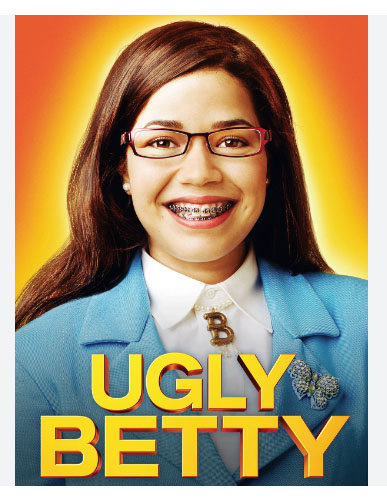
Ugly Betty
Synopsis
Betty Suarez is a sweet, intelligent, industrious, and unglamorous Mexican-American young woman from Queens who lands a prestigious job as the personal assistant to the newly appointed editor-in-chief of Mode, a high-end New York fashion magazine. Surrounded by ultra-stylish, superficial, and judgmental colleagues who mock her braces, poncho, and lack of designer wardrobe, Betty must rely on her sharp wit, unwavering family loyalty, and professional competence to survive. As she navigates backstabbing executives, romance, and magazine deadlines, she transforms the toxic corporate culture from within while staying true to herself.
The Making of the Film
Creator Silvio Horta adapted the hit Colombian telenovela Yo soy Betty, la fea created by Fernando Gaitán into a vibrant, heartwarming American comedy-drama series for ABC. Salma Hayek served as executive producer, bringing passionate cultural authenticity and sharp comedic vision to the production. Filmmakers aimed to subvert superficial fashion industry tropes by centering a relatable, lovable underdog heroine who redefines traditional beauty standards. The project was built to blend high-fashion satire with warm family melodrama.
Critical Reception
Critics offered widespread critical acclaim, praising America Ferrera's breakout, career-defining lead performance, sharp writing, and the show's infectious, feel-good energy. Reviewers commended the series for its progressive representation of Latino culture, brilliant fashion satire, and heartwarming family dynamics. Some critics noted that the later seasons dipped into soapy melodrama, yet lauded its overall charm and cultural impact. It became a massive breakout television hit.
Audiences embraced the series with immense enthusiasm, turning it into a pop-culture phenomenon and critical darling across multiple seasons. Viewers fell in love with Betty's optimism, her chaotic Suarez family in Queens, and the colorful, backstabbing fashion executives at Mode magazine. The memorable supporting cast, including Wilhelmina Slater and Marc St. James, generated massive fan devotion. Fans celebrated its unique blend of comedy and heart.
The series achieved major award recognition, winning two Golden Globe Awards—including Best Television Series – Musical or Comedy and Best Actress for America Ferrera. America Ferrera also historic Emmy Award victory for Best Lead Actress in a Comedy Series. The project cemented its status as a landmark milestone in television diversity.
Behind-the-Scenes Stories
Creator Silvio Horta and executive producer Salma Hayek wanted to honor the global success of the Colombian original while tailoring the humor and family dynamics for a mainstream American audience. They envisioned Betty not as a pathetic joke, but as a resilient, talented young woman whose inner beauty completely outshines superficial fashion culture. The production team collaborated with real New York fashion editors to design the chaotic Mode magazine sets.
Shooting across New York City locations and Los Angeles sound stages required intricate wardrobe coordination and high-end fashion styling. Managing large ensemble casts across fast-paced television production schedules demanded rigorous script planning. Maintaining a bright, colorful visual palette required careful cinematography.
During the frantic fashion-closet sequences, America Ferrera performed with brilliant comedic timing, wearing her iconic braces and bangs with total commitment. Vanessa Williams and Michael Urie improvised sharp, venomous insults that kept the crew in stitches between takes. These practical choices created television history.
America Ferrera led the cast as Betty Suarez, supported by Eric Mabius, Vanessa Williams, Alan Dale, Tony Plana, and Michael Urie. The casting process focused on finding a magnetic lead actress. The resulting ensemble delivered legendary screen chemistry.
Themes Explored
The series explores inner beauty versus superficial vanity, cultural identity, family loyalty, workplace resilience, and LGBTQ+ acceptance. It examines how talent and kindness can dismantle elite corporate snobbery. The narrative ultimately champions self-worth over societal beauty standards.
Ending Explained
Betty successfully fulfills her tenure at Mode, earns the respect of the entire fashion industry, and ultimately resigns to accept a glamorous new editor position in London. Before leaving, she shares a tender, romantic goodbye with her former boss Daniel Meade, who realizes he is in love with her and follows her across the pond. The final scenes show Betty and Daniel meeting in London as equals, leaving their future wonderfully open-ended. The ending offers a triumphant, heartwarming conclusion to her corporate journey.
Meaning of the Title
The title "Ugly Betty" directly references the derogatory label hurled at the unglamorous protagonist by the superficial fashion industry, which she proudly subverts and reclaims. It highlights the central underdog premise of the series. The catchy title became an iconic global brand.
Latest News
- The series remains a beloved television classic celebrated for its groundbreaking representation and America Ferrera's iconic performance.
Similar Films
Fans of feel-good workplace comedies and uplifting underdog stories will enjoy The Devil Wears Prada (2006), Jane the Virgin (2014), Parks and Recreation (2009), and 30 Rock (2006), all celebrating career growth.