

 Français
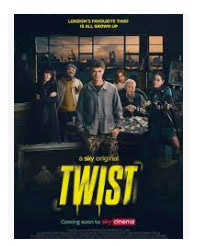
Twist
Synopsis
This stylish, modern, high-octane action-thriller film directed by Martin Owen reimagines Charles Dickens' classic Victorian literary masterpiece 'Oliver Twist' as a parkour-fueled heist caper set in contemporary London. In this fresh adaptation, Oliver is a talented, skateboard-riding street artist who falls in with a charismatic gang of modern-day art thieves led by the infamous Fagin and the fiercely loyal Dodge. When the crew plans a daring, high-stakes heist to steal an invaluable priceless painting from a corrupt billionaire art dealer, Oliver finds himself caught up in dangerous double-crosses and high-speed rooftop chases. It is an energetic, pop-culture-soaked reinvention of a timeless classic.
The Making of the Film
The project originated from UK production companies and director Martin Owen's ambition to craft a fresh, contemporary, parkour-infused heist film inspired by Charles Dickens' timeless London novel 'Oliver Twist'. Filmmakers sought to combine urban street art, modern parkour stunts, and high-tech art theft tropes with classic literary character archetypes. Inspiration was drawn from classic Dickensian literature, urban youth culture, and fast-paced heist cinema. The creative team aimed to produce an entertaining, stylish action crowd-pleaser.
Critical Reception
Critics offered mixed reviews, praising the film's energetic parkour stunt choreography, stylish London street art aesthetics, and Michael Caine's commanding supporting performance as Fagin while critiquing its formulaic plot and shallow character development. Reviewers noted that while Owen successfully modernized the classic literary tale with flashy visual flair, the narrative struggled to maintain emotional depth beneath the CGI art heists. Rita Ora's performance as Dodge received modest praise. Despite a digital streaming release, it found a solid audience among action fans.
Audience reception was warm among younger viewers and action enthusiasts looking for stylish, fast-paced escapism. Viewers on public platforms praised the cool rooftop parkour stunts, modern heist gear, and Michael Caine's veteran mobster persona. Fans of modern adaptations appreciated its fresh visual energy. Word-of-mouth sustained quiet home entertainment popularity.
Awards season brought no major mainstream nominations, though the film received occasional recognition at independent showcases for its stunt choreography and costume design. Critics' associations acknowledged the vibrant London street art style. While it did not alter the landscape of cinema, it maintained a solid fan base among action fans.
Behind-the-Scenes Stories
The director and production team drew visual inspiration from contemporary London graffiti art, parkour athlete culture, and slick heist thrillers to establish a vibrant aesthetic. Every location, from the secret underground art-thief hideout to gleaming modern art galleries, was constructed with meticulous detail. The production team collaborated with professional parkour stunt coordinators to ensure that rooftop leaps and chases looked thrilling and authentic. These artistic choices created an immersive urban world.
Production presented fun logistical challenges, particularly in coordinating young actor Raff Law to perform extensive skateboard and parkour stunt sequences across London locations under tight independent schedules. Michael Caine brought legendary gravitas and effortless charm to his role as the master art thief Fagin. Shooting on location across London required careful crowd control. Furthermore, maintaining fast action pacing kept the narrative zippy.
During filming of the frantic rooftop art-heist escape sequences, the cast executed their parkour stunts amidst practical safety rigs with total professional commitment. To maintain upbeat timing, Martin Owen utilized rapid editing. The crew utilized bright, saturated lighting. This rigorous dedication resulted in standout action moments.
Casting was anchored by securing Raff Law in his breakout feature film lead role as Oliver, alongside veteran legend Michael Caine, Rita Ora, Lena Headey, and Noel Clarke. This star-studded casting strategy drove initial visibility.
Themes Explored
The narrative deeply explores themes of modern art theft, urban street art, and street-kid survival in contemporary London. It examines mentorship within criminal syndicates, loyalty among outlaws, and breaking free from corrupt father figures. Additionally, it highlights heists, technology, and rewriting classic literary destinies. Ultimately, the film reflects on adventure, loyalty, and modern justice.
Ending Explained
Oliver and his loyal crew successfully outsmart the corrupt art dealer and execute the ultimate painting heist while exposing the villain's illegal financial crimes to the authorities, securing their freedom and a wealthy fresh start. In the joyful final scene, Oliver rides his skateboard across a London bridge into the sunny horizon with his friends. The heartwarming conclusion celebrates absolute youthful triumph.
Meaning of the Title
The title directly references both the classic literary character name and the slang twists of the modern heist caper ("Twist").
Similar Films
Films sharing similar modern heist capers, parkour action, and classic literary adaptations include Now You See Me (2013), Point Break (2015), and Robin Hood (2018).