

 Français
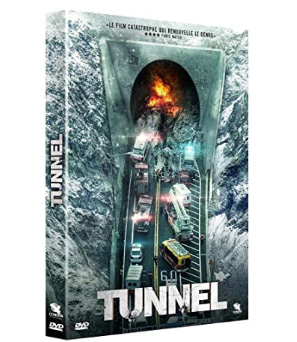
Tunnel
Synopsis
Lee Jung-soo, an ordinary car salesman, is driving home through a mountain tunnel to celebrate his daughter's birthday when the poorly constructed concrete structure suddenly collapses on top of him. Buried tons deep beneath rock and debris with a dying cell phone, a dwindling bottle of water, and his car battery barely functioning, he must fight for survival in total darkness. Above ground, a frantic rescue operation unfolds, led by an experienced chief rescue worker while incompetent bureaucrats and media vultures turn the disaster into a public relations circus. As days stretch into weeks, the nation holds its breath to see if a miraculous rescue is possible.
The Making of the Film
Director Kim Seong-hun adapted the survival thriller from a popular South Korean novel, drawn to its biting satirical critique of bureaucratic incompetence and public safety negligence. Inspired by real-world infrastructure disasters in South Korea, the filmmaker wanted to combine intense physical claustrophobia with sharp social commentary. The production aimed to keep viewers on edge while exposing the ethical compromises of modern media and government administration during crises. The script balanced moments of grim humor with agonizing suspense.
Critical Reception and Reviews
Professional Critic Reviews
Critics lauded the film for its relentless tension, masterclass pacing, and Ha Jung-woo's riveting, grounded lead performance inside the collapsed car. Reviewers praised the sharp satirical bite aimed at government bureaucracy, media sensationalism, and public apathy. The technical execution of the tunnel collapse and rescue operations received high marks for realism. It was widely regarded as a superior entry into the modern survival thriller genre.
Public Reception
Audiences embraced the film enthusiastically, driving it to massive box-office success in South Korea and warm international reception. Viewers connected deeply with the emotional stakes of the trapped everyman and the agonizing wait for rescue. The blend of high-stakes tension and dark social satire resonated powerfully with modern anxieties.
Awards and Honors
'Tunnel' secured numerous accolades at major South Korean film award ceremonies, including wins for Best Actor, Best Screenplay, and technical achievement categories. Ha Jung-woo's tour-de-force solo performance earned widespread critical acclaim across Asian cinema awards.
Filming Anecdotes
Director's Inspirations
Kim Seong-hun drew inspiration from classic claustrophobic survival films and real-world industrial disaster investigations. He wanted the physical space inside the crushed automobile to feel overwhelmingly oppressive, utilizing tight framing and sound design to amplify every creak of concrete. News broadcasts were styled to mimic real Korean media coverage during national emergencies.
Production Difficulties
Building a massive, fully functional mock tunnel set that could simulate shifting debris and dust presented immense engineering challenges for the art department. Ha Jung-woo performed a vast majority of his scenes confined inside a cramped car interior under suffocating artificial dust and restricted oxygen conditions. Maintaining high emotional and physical exhaustion over months of shooting tested the lead actor's endurance.
Particular Scene Anecdote
The sequence where Jung-soo rations his meager bottled water supply required subtle micro-expressions from Ha Jung-woo to convey absolute desperation without dialogue. The actor reportedly lost significant weight during production to realistically portray physical starvation and dehydration underground. Sound designers meticulously layered dripping water and falling gravel noises to heighten the auditory terror.
Initial Casting Choices
Ha Jung-woo was the director's absolute first choice for the lead role, renowned for his ability to carry a film primarily through solo screen acting. Bae Doona was cast as the resilient wife, bringing profound emotional gravity to the above-ground political struggles. Veteran actor Oh Dal-su was brought in to play the compassionate rescue chief, balancing the bureaucratic coldness.
Themes Explored
The film fiercely satirizes government incompetence, bureaucratic red tape, and the callousness of modern sensationalist media. It examines the value of a single human life weighed against economic costs and political PR campaigns. Another core theme is ordinary human resilience and the psychological toll of isolation. Ultimately, it highlights solidarity and love in the face of catastrophe.
Explanation of the Ending
The narrative concludes with a triumphant, last-minute breakthrough by the rescue crew, successfully pulling a battered but surviving Jung-soo out into the daylight. The final confrontation shows a furious Jung-soo and his wife silently driving past the disgraced politicians and media figures who exploited their tragedy. The closing moments emphasize their reunion and quiet rejection of the societal circus. It signifies that human survival ultimately triumphs over systemic indifference.
Meaning of the Title
The title 'Tunnel' refers both to the literal concrete structure that traps the protagonist and to the dark, uncertain passage of survival he must navigate. It symbolizes a literal and metaphorical void where society's flaws are exposed under extreme pressure. The concise single-word title establishes the focused, high-stakes nature of the disaster thriller.
["The Terror Live", "127 Hours", "The Peak"]