

 Français
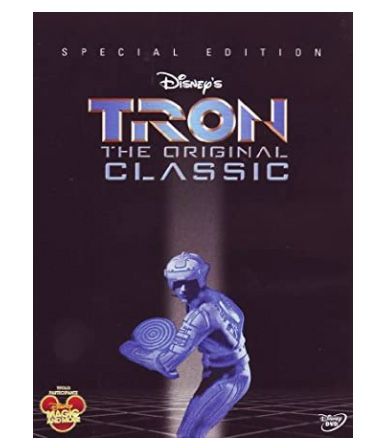
Tron
Synopsis
A brilliant young computer programmer and arcade owner named Kevin Flynn is digitally digitized and sucked straight into the mainframe of a powerful corporate computer system after attempting to expose software theft. Inside the neon-lit digital world of the Grid, he discovers that programs are living sentient beings forced to fight as gladiators in lethal arcade games by a tyrannical master control program. Teaming up with courageous security programs like Tron and Yori, Flynn leads a digital rebellion to overthrow the evil dictator and find a way back to the real world. This revolutionary sci-fi masterpiece pioneered computer-generated imagery in cinema.
The Making of the Film
The concept for Tron was born from writer-director Steven Lisberger's fascination with early arcade video games like Pong in the late 1970s, inspiring him to envision a cinematic universe inside a computer. Walt Disney Productions greenlit the ambitious project as an experimental sci-fi bet to capture older youth audiences with cutting-edge visual technology. The production team pioneered groundbreaking hybrid techniques combining backlit animation, computer-generated imagery (CGI), and live-action filmmaking on dark soundstages. The filmmakers collaborated with legendary computer graphics pioneers to bring the neon vector landscapes of the Grid to life.
Critical Reception
Professional critics gave mixed reviews to Tron upon its initial 1982 release, often praising its revolutionary visual achievements and groundbreaking CGI world-building while criticizing its cold, exposition-heavy plot and mechanical character development. Reviewers noted that while narrative depth was lacking, the film undeniably changed the technological trajectory of Hollywood visual effects forever. The public response was moderate at the box office initially, but the movie achieved legendary status over the decades as a beloved cult classic and digital pioneer. Audiences were mesmerized by the iconic light cycle races and neon aesthetics. The film received two Academy Award nominations for Best Costume Design and Best Sound.
Filming Anecdotes
Director Steven Lisberger drew inspiration from early computer science developments, arcade video games, and classic mythic hero's journey structures. Production was a massive technological undertaking involving shooting actors in black-and-white costumes on high-contrast black soundstages, followed by months of painstaking hand-tinting animation cells for every single frame of digital glow. During the filming of the famous light cycle sequences, stunt drivers navigated custom physical rigs while visualizing the glowing neon trails. Before Jeff Bridges was cast as Kevin Flynn, several other prominent Hollywood actors were considered during early studio development.
Main Themes
The film explores pioneering themes of artificial intelligence, human versus machine relationships, corporate espionage, digital freedom, and technological totalitarianism. It anticipates the modern digital age and virtual reality decades before consumer internet adoption. Furthermore, it celebrates liberation and rebellion against tyranny.
Ending Explanation
The climax resolves the digital rebellion when the heroic security program Tron destroys the tyrannical Master Control Program in an epic disk battle, liberating the oppressed electronic programs of the Grid. With the digital dictatorship dismantled and the system restored to freedom, Kevin Flynn is suddenly granted a safe exit portal back to the physical real world. Returning to reality as the newly minted CEO of Encom, Flynn secures his rightful software legacy and looks out over his prosperous corporate future. The film ends on a triumphant, glowing neon note celebrating digital liberation.
Title Significance
The title directly references the central security program character, Tron, whose name is derived from the computing term "monitor" and whose mission is to fight for the users.
The film features a groundbreaking, futuristic electronic musical score composed by Wendy Carlos that blended classical orchestration with pioneering analog synthesizer technology.
NULL
The Matrix, Blade Runner, WarGames, Tron: Legacy