

 Français
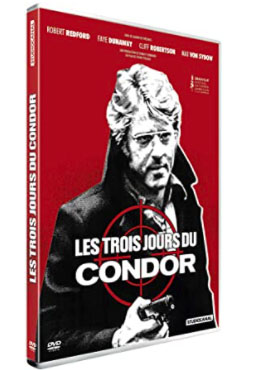
Three Days of the Condor
Synopsis
Three Days of the Condor is a masterclass, paranoid 1970s political thriller directed by Sydney Pollack. Set in New York City, the story follows Joe Turner, a mild-mannered CIA analyst whose official code name is Condor. Turner works in a clandestine front office reading international mystery and thriller novels to scan for hidden espionage codes. Returning from a lunch run one rainy afternoon, Turner discovers that all of his colleagues have been brutally assassinated in cold blood. Realizing his own agency department may be behind the massacre due to an unauthorized rogue intelligence project he accidentally uncovered, Turner goes on the run, kidnapping an innocent woman named Kathy at gunpoint for shelter while racing against time to expose the corrupt conspiracy before assassins silence him forever.
The Making of the Film
Producer Stanley R. Jaffe and director Sydney Pollack adapted James Grady's bestselling 1974 espionage novel 'Six Days of the Condor', trimming the timeline to three intense days to maximize suspense. Pollack sought to tap into the deep post-Watergate institutional paranoia and distrust of government intelligence agencies prevalent in 1970s America. Paramount Pictures backed the production, utilizing authentic, snowy New York City locations, freezing streets, and sterile office buildings. Robert Redford starred as the CIA analyst alongside Faye Dunaway and Max von Sydow.
Critical Reception
Professional critics greeted the film upon release with widespread critical acclaim, praising its tight pacing, atmospheric New York cinematography, and Robert Redford's compelling lead performance. Reviewers lauded Sydney Pollack's masterful direction for sustaining relentless paranoid tension without relying on excessive action explosions. Critics singled out Max von Sydow for his chilling, ice-cold portrayal of the professional assassin Joubert. It became a defining masterpiece of 1970s political thriller cinema.
Audiences experienced intense nail-biting suspense, turning the espionage thriller into a major commercial and cultural hit worldwide. Viewers were captivated by the cat-and-mouse dynamics between Redford and the shadowy intelligence network. Word-of-mouth recommendations cemented its status as an immortal classic of paranoid cinema. Its thematic influence on modern spy thrillers is immense.
The film achieved major awards success, earning an Academy Award nomination for Best Film Editing, alongside enduring critical reverence in film history.
Behind-the-Scenes Stories
Director Sydney Pollack drew inspiration from post-Watergate political scandals, real CIA secrecy, and classic film noir pacing. Coordinating the tense New York street foot chases and telephone booth tracking sequences required rigorous logistical planning across actual Manhattan locations. During the filming of the chilly winter outdoor scenes, Robert Redford and Faye Dunaway endured freezing temperatures. Before Robert Redford was locked in, various other Hollywood leading men were considered for the Condor role.
Themes Explored
Paranoia, Espionage, Government Corruption, CIA, Conspiracy, Survival, Trust
Ending Explained
The chilling and ambiguous final scene shows Turner walking away after dropping his explosive exposé story off at The New York Times, knowing he will forever be hunted by shadowy intelligence forces.
Meaning of the Title
The title 'Three Days of the Condor' references the protagonist's official CIA code name and the frantic seventy-two-hour survival window of the conspiracy plot.
Original Soundtrack
Dave Grusin composed a phenomenal, jazz-infused, and Oscar-nominated orchestral score featuring eerie synthesizer textures that amplified the paranoid 1970s espionage mood.
The Parallax View, The Conversation, All the President's Men, Marathon Man