

 Français
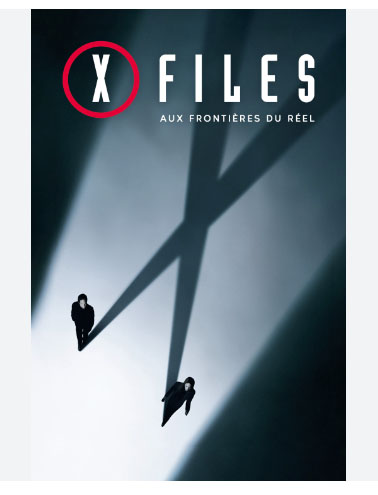
The X-Files: I Want to Believe
Synopsis
Years after the closure of the FBI's X-Files division, Fox Mulder and Dana Scully are living quiet, separate lives when the bureau abruptly recruits them to assist in a bizarre kidnapping case. A disgraced Catholic priest who claims to experience psychic visions directs the FBI toward a gruesome snow-bound compound in rural Virginia where victims are being harvested in grotesque medical experiments. As Mulder clings to his unwavering belief in the paranormal and Scully applies her rigorous medical skepticism, they must navigate federal bureaucracy and terrifying human monsters. The film offers a haunting, standalone supernatural mystery.
The Making of the Film
Creator Chris Carter co-wrote and directed this feature-film continuation of the iconic sci-fi television series, aiming to deliver a moody, character-driven supernatural thriller rather than a massive alien-mythology blockbuster. The production was designed to reunite David Duchovny and Gillian Anderson on the big screen, exploring the emotional evolution of their relationship. Filmmakers utilized snowy British Columbia wilderness locations to capture a freezing, desolate atmosphere. The project was built to satisfy longtime fans of paranormal mystery.
Critical Reception
Critics offered mixed reviews, praising the undeniable chemistry and emotional depth between David Duchovny and Gillian Anderson while noting that the standalone kidnapping plot felt more like an extended television episode than a cinematic event. Reviewers commended Carter's atmospheric, chilly direction and the moody snow-bound cinematography. Some critics felt the script lacked the grand mythological scale of the 1998 movie, yet acknowledged its comforting nostalgic appeal. It emerged as a modest box office success.
Audiences, particularly devoted X-Files fans, embraced the movie for its nostalgic reunion of Mulder and Scully, exploring their domestic relationship and opposing worldviews. Viewers appreciated the dark, eerie tone and Mark Snow's iconic musical cues returning to the big screen. The emotional moments between the lead characters resonated strongly with longtime supporters. Many praised it as a moody, atmospheric thriller.
While traditional major film academies bypassed the sci-fi feature, it earned Saturn Award nominations for its horror achievements and cast performances. Duchovny and Anderson's partnership earned warm fan acclaim. The project successfully achieved its goal of revisiting the paranormal franchise.
Behind-the-Scenes Stories
Creator Chris Carter wanted to return to the spooky, monster-of-the-week roots of the early television seasons rather than tackling the sprawling alien mythology arc. He worked closely with co-writer Frank Spotnitz to craft a chilly, medical-horror mystery that tests Mulder and Scully's faith. The production team prioritized authentic snowy Canadian locations over studio sets.
Shooting exterior winter scenes in freezing British Columbia forests required extreme physical endurance and cold-weather gear for the cast and crew. Managing complex stunt coordination across snowy terrain demanded rigorous safety planning. Maintaining a dark, desaturated visual palette required careful cinematography.
During the emotional medical and snow-tracking sequences, David Duchovny and Gillian Anderson performed with effortless chemistry, instantly slipping back into their iconic character dynamics. Billy Connolly brought theatrical intensity to his role as the disgraced psychic priest. These practical efforts brought eerie authenticity to the screen.
David Duchovny and Gillian Anderson led the cast as Mulder and Scully, supported by Billy Connolly, Amanda Peet, Xzibit, and Callum Keith Rennie. The casting process gathered franchise royalty. The resulting ensemble delivered peerless dramatic chemistry.
Themes Explored
The film explores faith versus skepticism, paranormal belief, medical ethics, human monstrosity, and enduring love. It examines how two people with opposing worldviews can anchor each other through psychological darkness. The narrative ultimately champions belief and companionship.
Ending Explained
Mulder and Scully successfully locate the medical harvesting compound, rescue the surviving FBI agents, and stop the grotesque Russian organ-smuggling ring. In the final, sunlit moments, Mulder and Scully embrace on a peaceful beach in a rowboat, having reaffirmed their profound love and commitment to each other despite past trauma. Their faith in the unknown remains unbroken. The ending offers a serene, comforting resolution to the paranormal thriller.
Meaning of the Title
The title "The X-Files: I Want to Believe" directly references Mulder's iconic office poster slogan, serving as the central philosophical thesis of his entire paranormal quest. It symbolizes hope and faith in the unseen. The catchy title sets an instant sci-fi tone.
Original Soundtrack
Composed by Mark Snow, the musical score is a fantastic atmospheric triumph featuring the iconic whistling X-Files theme song alongside eerie synthesizer pads and chilling orchestral cues. The haunting musical notes amplify the snowy paranormal suspense, delighting music lovers.
Latest News
- The film remains a cherished big-screen chapter for fans of the iconic paranormal television franchise.
Similar Films
Fans of supernatural mysteries and thrillers will enjoy Silence of the Lambs (1991), Se7en (1995), The Mothman Prophecies (2002), and Shutter Island (2010), all exploring dark puzzles.