

 Français
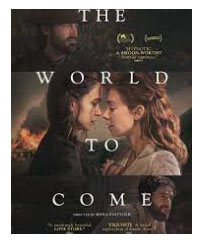
The World to Come
Synopsis
Set in the harsh American frontier of the mid-nineteenth century, two isolated neighboring farm women forge a profound and secret emotional bond. Abigail is mourning the tragic loss of her young daughter while enduring a cold marriage with her stoic husband. Tallie is a spirited and passionate newcomer who awakens Abigail's dormant desires and intellectual curiosity. As their clandestine friendship deepens into passionate love, they must navigate the unforgiving social and physical elements around them. Ultimately, their connection offers solace and defiance against a bleak, patriarchal wilderness.
The Making of the Film
Director Mona Fastvold adapted the acclaimed screenplay written by Jim Shepard and Ron Hansen to capture a tender frontier romance. The project was conceived as an intimate independent historical drama focusing on female interiority and forbidden love. Fastvold drew inspiration from nineteenth-century diaries, pioneer literature, and pastoral landscape paintings. The production prioritized authentic period textures, natural lighting, and poetic voiceover narration to reflect Abigail's inner emotional landscape.
Critical Reception
Critics offered widespread critical acclaim upon release, praising its exquisite cinematography, poetic narration, and powerful lead performances. Reviewers lauded Vanessa Kirby and Katherine Waterston for their palpable chemistry and nuanced emotional depth. The film was celebrated for offering a quiet, contemplative counter-narrative to traditional violent westerns. It established itself instantly as a breathtaking work of independent cinematic art.
Audiences appreciated the emotionally resonant story, stunning pastoral visuals, and the profound depiction of forbidden love in a harsh environment. Viewers on independent streaming platforms commended the atmospheric score and the deeply moving performances of the ensemble cast. While it did not achieve massive mainstream box-office success, it gained a devoted following among cinephiles. Many praised its delicate exploration of isolation, grief, and emotional awakening in the American wilderness.
Although major mainstream awards bypassed the indie drama, it earned recognition and nominations at major international film festivals. Its acclaim centered primarily on its breathtaking cinematography, costume design, and lead acting performances. The director's delicate visual style received praise from film critics associations. These prestigious accolades cemented its reputation as a masterclass in modern historical romantic drama.
Behind-the-Scenes Stories
Mona Fastvold was inspired by historical accounts of frontier isolation and the unspoken emotional lives of nineteenth-century pioneer women. She wanted to capture how nature mirrors the internal emotional weather of characters living in extreme isolation. The visual style utilized natural sunlight, misty meadows, and stark winter snowscapes to evoke the brutal beauty of the frontier. The director also drew from historical diaries documenting the harsh realities of agricultural homesteading.
Recreating a mid-nineteenth-century farm homestead on a modest independent budget required immense resourcefulness from the production design team. Shooting on location in the rugged landscapes of Romania presented genuine physical challenges for the cast and crew. The actors braved freezing mud and unpredictable weather to achieve authentic pioneer realism. Despite these grueling conditions, the production team maintained a deeply collaborative and focused artistic environment.
During the filming of the intimate interior sequences, Vanessa Kirby and Katherine Waterston spent weeks rehearsing to build absolute trust and emotional resonance. The crew maintained absolute silence on set during emotional scenes to preserve the delicate mood. Director Mona Fastvold encouraged improvised physical gestures that highlighted the quiet longing between the characters. The genuine connection formed on camera made the tragic narrative beats profoundly impactful.
Casting directors searched for actresses who could convey profound emotional depth with minimal dialogue against a harsh backdrop. Katherine Waterston was chosen for the role of Abigail due to her ability to project quiet resilience and yearning. Vanessa Kirby was cast as Tallie, bringing fiery passion and charisma to the frontier homestead. Casey Affleck and Christopher Abbott rounded out the cast as the complex, stoic husbands.
Themes Explored
The film explores themes of female isolation, forbidden love, and emotional survival in a hostile patriarchal frontier. It examines the healing power of art, poetry, and intellectual companionship in the darkest circumstances. Another core motif is the oppressive nature of domestic duty versus the liberating force of authentic desire. It also touches upon grief, resilience, and the enduring strength of women.
Ending Explained
The film concludes with Abigail discovering that Tallie has tragically died from a sudden illness while her husband cruelly conceals the truth and forces her relocation. Left alone once again in the unforgiving wilderness, Abigail refuses to let their profound love be erased by time or societal cruelty. She resolves to continue writing her private journal, preserving the memory of their connection as an act of eternal defiance. The poignant final shots show her looking toward the horizon with quiet inner strength.
Meaning of the Title
The title refers metaphorically to the hope of a future free from societal repression, emotional starvation, and patriarchal control. It captures the yearning of marginalized individuals dreaming of a better existence beyond the harsh frontier. The poetic phrasing sets a contemplative, spiritual tone for the romantic narrative. It encapsulates both the bleak reality of the present and the utopian dream of a liberated tomorrow.
Similar films include Ammonite, Portrait of a Lady on Fire, Brokeback Mountain, and First Cow, which feature historical isolation, profound human connections, and pastoral aesthetics.