

 Français
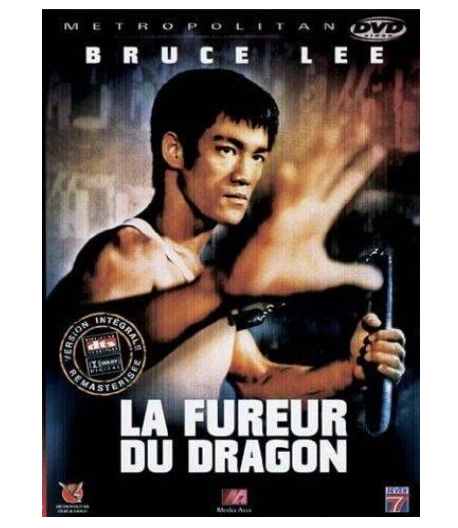
The Way of the Dragon
Synopsis
Tang Lung travels from Hong Kong to Rome to help a family friend whose restaurant is being threatened by local gangsters. His arrival initially causes concern because his traditional approach to martial arts seems out of place in the modern city. When the criminals increase their pressure, Tang Lung uses his fighting skills to protect the restaurant and its employees. The gangsters eventually hire increasingly formidable opponents to defeat him. The confrontation culminates in an iconic martial arts duel inside the Roman Colosseum.
The Making of the Film
The Way of the Dragon was written, directed and produced by Bruce Lee, who also played the central character Tang Lung. The film was developed after the international success of his earlier martial arts productions and gave Lee greater creative control over the project. He wanted to combine physical comedy, cultural contrast and serious martial arts action in a story that could appeal to international audiences. The screenplay places a traditional Chinese fighter in Rome, allowing the film to explore differences in language, behaviour and fighting philosophy. Bruce Lee also designed the action sequences with particular attention to rhythm, distance and the technical abilities of the performers. Chuck Norris was cast as Colt, the American martial arts champion hired to defeat Tang Lung. Their confrontation offered an opportunity to bring together two major martial arts figures of the period. The production filmed in Rome and used recognisable locations to give the story an international setting. The final duel in the Colosseum became one of the most celebrated sequences in Bruce Lee's film career.
Critical Reception
Professional critical response: The Way of the Dragon is widely recognised for its martial arts choreography and Bruce Lee's creative involvement. Critics and martial arts specialists have praised the clarity and physical precision of its fight scenes. The film also contains a lighter comic tone than some of Lee's other productions, which gives the protagonist a more relaxed personality. Some aspects of its story and dialogue reflect the conventions of early 1970s action cinema. Nevertheless, its central duel has secured its place among the most memorable fight sequences in the genre.
Audience reception: The film became popular among international audiences and helped reinforce Bruce Lee's reputation as a major martial arts star. Viewers were attracted by the combination of humour, action and the unusual setting of Rome. The final confrontation with Chuck Norris became especially famous and continues to attract attention from martial arts fans. Its popularity has endured through television, home video and repeated rediscovery by new generations. It remains an important title for audiences interested in the development of Hong Kong action cinema.
Awards and recognition: The film did not receive a major international awards record, but its cultural and genre influence has been substantial. Its final fight is regularly cited in discussions of classic martial arts cinema. Bruce Lee's work as writer, director, producer and performer is an important part of its historical significance. The film is also remembered for introducing a memorable screen confrontation between Lee and Chuck Norris. Its reputation rests primarily on its lasting influence rather than on formal awards.
Behind-the-Scenes Stories
Director's inspirations: Bruce Lee wanted to create a martial arts film that reflected his own philosophy of movement and combat. He was interested in showing the difference between rigid fighting traditions and the ability to adapt to an opponent. The Roman setting allowed him to introduce cultural misunderstandings and moments of comedy while keeping the action central. His approach emphasised physical clarity, timing and the personality of each fighter.
Production challenges: Filming in Rome required the production to work with international locations and a multilingual cast. Bruce Lee also had to coordinate the action sequences while directing and performing the lead role. The fight choreography required careful planning to make the techniques appear convincing and readable on screen. The production had to balance comic scenes with serious martial arts confrontations without losing the story's momentum.
A memorable scene: The duel between Tang Lung and Colt in the Roman Colosseum is the film's defining sequence. Bruce Lee and Chuck Norris face one another in an extended fight that builds gradually through changes in rhythm and strategy. The scene gives both fighters moments of strength and vulnerability rather than making the contest a simple display of superiority. Its setting adds historical grandeur to an intensely physical confrontation. The sequence is frequently considered one of the great duels in martial arts cinema.
Originally considered casting: Bruce Lee selected Chuck Norris for the role of Colt because of his martial arts experience and physical presence. Their real-life knowledge of combat disciplines gave the final confrontation an unusual degree of credibility. Nora Miao appeared as Chen Ching-hua, while Robert Wall played one of the principal antagonists. The casting combined performers with martial arts backgrounds and actors suited to the film's international setting.
Themes Explored
The Way of the Dragon explores cultural identity, honour, friendship and the importance of adapting to unfamiliar situations. Tang Lung arrives in Rome as an outsider and must learn to navigate a society whose customs differ from his own. His loyalty to the restaurant owners motivates his involvement in the conflict. The film also presents martial arts as a discipline that requires intelligence and adaptability rather than mere physical strength. Its final duel contrasts two highly skilled fighters and suggests that true mastery involves understanding oneself and one's opponent. The story combines humour with a defence of dignity and solidarity against intimidation.
Explaining the Ending
Tang Lung defeats Colt in the Colosseum after a long and demanding fight. The victory demonstrates his ability to adapt his technique to an opponent who initially appears equally formidable. The confrontation is not presented simply as a contest between national fighting styles, but as a personal struggle between two disciplined martial artists. After the duel, the gangsters' threat is finally brought to an end. Tang Lung has fulfilled his promise to protect the restaurant, but his victory also comes with a sense of loss. The ending reinforces the film's themes of loyalty, courage and the responsibilities that accompany martial arts skill. The final moments return attention to the human relationships that motivated the story in the first place.
The Meaning of the Title
The title The Way of the Dragon refers to Tang Lung and the path he follows as a martial artist. The word way suggests a philosophy, a method of living and a personal approach to conflict. The dragon is a powerful symbol associated with Chinese culture and with Bruce Lee's screen identity. Together, the words evoke a fighter whose strength comes from discipline, adaptability and self-confidence rather than brute force alone.
The film features a score by Joseph Koo, with music that supports its mixture of comedy, suspense and martial arts action. The soundtrack helps distinguish the Roman setting while maintaining the energetic atmosphere of Hong Kong action cinema. Its musical identity is closely linked to the film's classic fight sequences and its early 1970s style.
Similar films include Enter the Dragon, directed by Robert Clouse and starring Bruce Lee; Fist of Fury, directed by Lo Wei; The Big Boss, also directed by Lo Wei; and Once Upon a Time in China, directed by Tsui Hark, which explores martial arts, cultural identity and the defence of a community.