

 Français
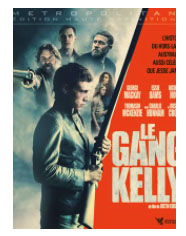
True History of the Kelly Gang
Synopsis
True History of the Kelly Gang follows the turbulent, mythic life of Ned Kelly, Australia's most notorious 19th-century bushranger and outlaw. Raised by an impoverished Irish-Australian mother who sells him off to a ruthless bushranger at a young age, Ned grows up amidst colonial oppression, police corruption, and brutal poverty. As he gathers a loyal gang of outlaws to wage war against the corrupt colonial authorities, Ned crafts iconic iron armor for a final, catastrophic shootout at Glenrowan. The film reimagines the Australian legend through an aggressive, punk-rock lens.
The Making of the Film
Directed by Justin Kurzel and adapted from Peter Carey's Booker Prize-winning novel, the film was conceived as a visceral, hallucinatory deconstruction of the Ned Kelly myth. The inspiration stemmed from wanting to strip away romanticized folklore and explore the psychological trauma, maternal manipulation, and colonial brutality that forged Australia's most infamous outlaw. The production utilized rugged Australian bushland locations and striking, expressionistic visual framing.
Critical Reception
Critics offered polarized yet passionate reviews, praising the film's raw punk-rock energy, stunning cinematography, and George MacKay's ferocious, sweaty lead performance as Ned Kelly. Reviewers noted that while its aggressive, non-traditional style alienated viewers expecting a straightforward historical biography, its bold cinematic vision and Russell Crowe's terrifying supporting turn made it a memorable ride. The visceral action sequences received praise.
Audiences found the gritty, brutal aesthetic challenging yet hypnotic, appreciating its revisionist take on Australian history.
The film earned numerous AACTA Awards (Australian Oscars), winning major categories including Best Adapted Screenplay, Best Costume Design, and Best Supporting Actor.
Behind-the-Scenes Stories
Justin Kurzel drew inspiration from Peter Carey's postmodern novel, punk-rock rebellion aesthetics, and historical colonial archives of 19th-century Australia.
Shooting in remote Australian bush locations required grueling physical endurance from the cast amidst harsh weather and dust.
During the filming of the final shootout in the iron armor, George MacKay wore authentic heavy metal suits that caused genuine physical exhaustion on set.
Casting George MacKay brought an intense, feral energy required to portray the psychological unraveling of the legendary bushranger.
Themes Explored
The film explores maternal manipulation, colonial oppression, outlaw myth-making, toxic masculinity, violence, and Australian identity.
Ending Explained
The tragic climax shows Ned Kelly captured in his iconic iron armor after the bloody Glenrowan siege, facing his historical execution with defiant resignation.
Meaning of the Title
Reference to the revisionist nature of the narrative, subverting traditional Australian folklore to present a raw, psychological 'true history' of the outlaw gang.
Original Soundtrack
The original musical score by Jed Kurzel features aggressive, industrial synthesizer drones and pounding percussion that amplify the punk-rock outlaw energy of the film.
Similar films include The Proposition, The Assassination of Jesse James by the Coward Robert Ford, Mad Max, and The Revenant.