

 Français
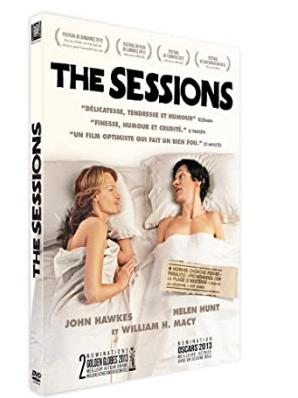
The Sessions
Synopsis
Based on a true story, Mark O'Brien, a thirty-eight-year-old poet and journalist paralyzed by polio who lives inside an iron lung, decides he wants to lose his virginity. With the blessing of his compassionate Catholic priest, Mark hires a professional sex surrogate named Cheryl Cohen-Greene to guide him through an intimate physical and emotional awakening. Over a series of guided sessions in a suburban motel room, Mark navigates his physical limitations, vulnerability, and religious guilt. His journey transforms his understanding of sex, love, and human dignity.
The Making of the Film
Writer-director Ben Lewin, who himself contracted polio as a child, spent years developing the biographical film based on Mark O'Brien's published essay 'On Seeing a Sex Surrogate'. Producers sought to approach disability and sexuality with frank honesty, humor, and complete lack of clinical pity. The production utilized authentic locations in Los Angeles, keeping the scale intimate and theatrical. John Hawkes and Helen Hunt were cast as Mark and Cheryl, delivering fearless, critically lauded lead performances. The film premiered at the Sundance Film Festival to a massive bidding war.
Critical Reception
Critics showered the film with widespread critical acclaim, praising its refreshing candor, witty screenplay, and the brave, phenomenal performances of John Hawkes and Helen Hunt. Reviewers lauded the film for shattering taboos regarding disabled sexuality, treating intimacy with profound grace and humor. Audiences embraced the movie warmly, turning it into an indie box-office success. Helen Hunt earned an Academy Award nomination for Best Supporting Actress. It stands as a modern masterpiece of empathetic filmmaking.
Behind-the-Scenes Stories
Ben Lewin drew visual inspiration from 1970s independent humanist cinema and personal documentary accounts. John Hawkes spent months studying Mark O'Brien's physical posture and vocal patterns while lying motionless on custom mockups of iron lungs. Helen Hunt approached her role with immense professional rigor, working closely with real surrogate consultants to ensure authenticity. The real-life Cheryl Cohen-Greene served as an informal consultant during pre-production.
Themes Explored
The narrative explores disability and sexuality, religious guilt, human intimacy, vulnerability, and bodily dignity. It examines how physical paralysis does not diminish romantic and sexual desire. Furthermore, it highlights the healing power of non-judgmental touch.
Ending Explained
Mark completes his sessions with Cheryl, gaining profound emotional confidence and writing his celebrated poetry piece before finding lasting love later in life. The final cinematic moments show Mark smiling brightly as he experiences the world with renewed self-worth. A warm, triumphant sense of liberation closes the film.
Meaning of the Title
The title refers to the therapeutic physical intimacy sessions conducted between Mark and his surrogate instructor.
Other empathetic biographical films exploring disability and intimacy such as My Left Foot, The Theory of Everything, and Intouchables.