

 Français
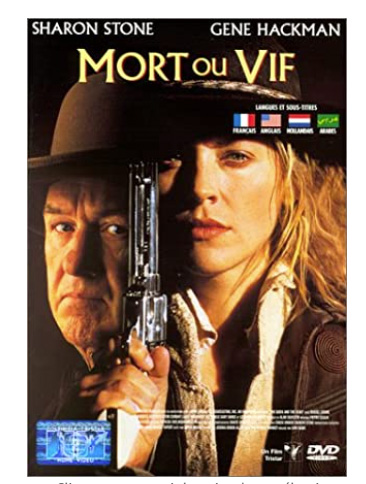
The Quick and the Dead
Synopsis
A mysterious woman named Ellen arrives in the frontier town of Redemption, where the ruthless outlaw John Herod rules through fear and violence. She enters a deadly shooting competition organized by Herod, hoping to confront the man responsible for a tragedy in her past. The tournament attracts several gunslingers, each with personal ambitions and reasons for participating. Among them are Cort, a former outlaw turned preacher, and the young gunslinger known as the Kid. As the competition progresses, old secrets emerge and rivalries become increasingly dangerous. Ellen must face her past and discover whether revenge can bring the justice she has been seeking.
The Film's Origins
The Quick and the Dead was developed from an original screenplay by Simon Moore, who conceived a Western centered on a mysterious female gunslinger. The project offered an opportunity to revisit the traditional Western duel while introducing a strong female protagonist. Sharon Stone became involved in the production and helped bring the project to the attention of major Hollywood collaborators. She was particularly interested in working with director Sam Raimi, whose energetic visual style could give the Western a distinctive identity. The film also attracted Gene Hackman, whose experience in portraying complex antagonists made him an important addition to the cast. Russell Crowe and Leonardo DiCaprio completed a particularly interesting ensemble. The production was designed as a stylized tribute to classic Westerns, combining familiar genre conventions with unusual camera movements and exaggerated action sequences.
Critical Reception
Professional Reviews: Critics offered mixed reactions to The Quick and the Dead, praising its visual energy while questioning certain aspects of its screenplay. Sam Raimi's inventive direction received attention for its unusual camera angles and dynamic presentation of gunfights. Gene Hackman was frequently singled out for his performance as the intimidating Herod. Sharon Stone also attracted interest for playing a female gunslinger in a traditionally male-dominated genre. Some reviewers found the characters underdeveloped and the plot overly dependent on familiar Western conventions. Nevertheless, the film developed a distinctive visual identity.
Audience Reception: The film achieved moderate commercial success and attracted viewers interested in action-oriented Westerns. Its unusual combination of traditional gunfighter mythology and stylized filmmaking gave it a particular appeal. Audiences also became interested in the presence of several actors who would later become major Hollywood stars. Although it did not immediately achieve the status of a classic Western, it gradually attracted a following among fans of Sam Raimi. Its reputation has benefited from renewed interest in revisionist Westerns.
Awards and Recognition: The film did not become a major awards-season contender. Its cast received considerable attention, particularly Gene Hackman, Sharon Stone, and the young Leonardo DiCaprio. The production was also recognized for its visual approach and action choreography. Its significance is largely connected to its place within the careers of its principal actors and its distinctive interpretation of the Western genre.
Behind-the-Scenes Stories
Director's Inspirations: Sam Raimi approached the project as an opportunity to reinterpret the classic Western through his own highly energetic visual language. He was interested in the dramatic simplicity of gunfighter competitions and the tension created by confrontations between armed opponents. The director also drew inspiration from traditional Western cinema, particularly stories involving revenge and mysterious outsiders. His distinctive camera movements and exaggerated editing choices helped create a style that differed from more conventional Western productions. He wanted the town of Redemption to feel like an almost theatrical arena in which every character had something to prove.
Production Challenges: Creating the atmosphere of a traditional Western required extensive set construction, costumes, horses, and period equipment. The production also involved numerous shooting sequences that needed careful choreography and safety preparation. The cast had to become comfortable with handling firearms and performing physical action. The presence of several major actors required careful coordination of schedules. Sam Raimi's demanding visual style also created additional work for the cinematography and editing departments.
Memorable Scene: The shooting tournament provides the film with its central dramatic structure. Each duel reveals something about the personalities and motivations of the contestants. The close-ups of eyes, hands, and gun holsters build tension before each confrontation. Raimi frequently uses exaggerated camera movements to emphasize the violence and theatricality of the encounters. The final confrontation between Ellen and Herod brings the personal revenge story to its dramatic conclusion.
Originally Considered Casting: Sharon Stone was instrumental in developing the project and securing the involvement of major collaborators. Gene Hackman was cast as Herod, while Russell Crowe received the role of Cort in his first major American film appearance. Leonardo DiCaprio played the Kid, adding considerable youthful energy to the ensemble. The supporting cast includes Tobin Bell, Keith David, and Lance Henriksen. The combination of established stars and emerging performers became one of the production's most notable characteristics.
Themes Explored
The Quick and the Dead explores revenge, justice, violence, identity, and the mythology of the American frontier. Ellen's journey is driven by a desire to confront the man responsible for her family's suffering. Herod represents the corruption of power and the ability of violence to dominate an entire community. Cort provides a contrasting perspective because his past as an outlaw has led him toward religious redemption. The Kid embodies youthful ambition and the desire to establish a reputation through dangerous acts. The shooting competition becomes a symbolic arena where personal histories and moral conflicts are exposed. The film also challenges traditional gender expectations by placing a woman at the center of the Western gunfighter mythology. Ultimately, it questions whether revenge can truly restore justice.
Ending Explained
The final confrontation reveals that Ellen's participation in the tournament has always been connected to her personal history with Herod. She eventually confronts the man who destroyed her family and discovers that the only way to end his control is to defeat him directly. Her victory brings the immediate threat to the town to an end. The destruction of Herod's power also allows the people of Redemption to imagine a different future. Cort's survival offers another perspective on redemption, showing that a person can escape a violent past. The Kid's storyline illustrates the danger of confusing fame with genuine achievement. Ellen's departure suggests that revenge has fulfilled its immediate purpose but cannot erase the suffering she experienced. The conclusion therefore offers both a conventional Western victory and a more personal reflection on the cost of violence.
Meaning of the Title
The title The Quick and the Dead refers to the traditional distinction between the living and the dead, while also suggesting the extraordinary speed required in a gunfight. The word quick evokes alertness, reflexes, and the ability to react before an opponent. In the world of the film, survival often depends on being faster than the person standing opposite you. The title also carries a religious echo through the expression traditionally associated with divine judgment. This double meaning reflects the film's combination of violence, morality, and the consequences of past actions.
Original Soundtrack
Alan Silvestri composed the original score, creating a musical atmosphere that combines traditional Western influences with energetic orchestral writing. The music supports the tension of the shooting competitions and reinforces the dramatic character of the frontier town. Its orchestral passages help distinguish the different confrontations and emotional turning points. The soundtrack complements Sam Raimi's stylized direction and contributes to the film's adventurous atmosphere.
Similar Movies
Films with similar Western themes include Unforgiven, which explores revenge, violence, and the moral consequences of being a gunslinger. Tombstone focuses on legendary gunfighters and the struggle for control of a frontier town. The Good, the Bad and the Ugly offers another memorable portrait of competing personalities in a violent Western environment. Django Unchained revisits the genre through a revenge-driven story with a distinctive visual style. Open Range examines the tension between law, justice, and violence on the frontier. These films offer different interpretations of the Western tradition.