

 Français
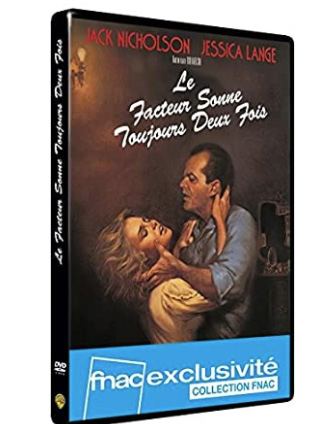
The Postman Always Rings Twice
Synopsis
A drifting drifter named Frank Chambers wanders into a rural California roadside diner and takes a job working for the establishment's older owner, Nick. He immediately becomes passionately and destructively infatuated with Nick's beautiful younger wife, Cora. Driven by burning lust and a desire for freedom, the illicit lovers plot to murder Nick and take over the diner. As their crime goes unpunished by law but corroded by intense guilt and suspicion, their passionate affair turns into a psychological nightmare. The gritty neo-noir masterpiece explores fatal obsession and crime.
The Making of the Film
Director Bob Rafelson and screenwriter David Mamet adapted the film from James M. Cain's legendary 1934 hard-boiled pulp crime novel. The production sought to capture the raw, unvarnished eroticism and fatalistic doom of Cain's original work, avoiding the censorship restrictions that hobbled earlier film adaptations. The filmmakers aimed to create a sweaty, authentic Depression-era rural American atmosphere where characters are trapped by their own base impulses. The script was crafted to emphasize intense psychological manipulation and physical desire.
Critical Reception and Reviews
Professional critics gave generally positive reviews, praising the blistering screen chemistry between Jack Nicholson and Jessica Lange, alongside David Mamet's sharp dialogue. Reviewers commended the film's uncompromising commitment to gritty realism, dark eroticism, and fatalistic tension. Some critics felt that the relentless bleakness made it emotionally exhausting, but most acknowledged its power as a neo-noir masterpiece. Public reception was appreciative among adult drama enthusiasts and film noir aficionados. The film earned enduring acclaim as one of the finest cinematic adaptations of hard-boiled literature.
Filming Anecdotes
Director Bob Rafelson drew inspiration from classic Depression-era photography, gritty American rural landscapes, and traditional film noir aesthetics. Production involved location shoots across California, capturing authentic roadside diners and dusty highways. During the filming of the famous kitchen seduction scenes, Jack Nicholson and Jessica Lange rehearsed for hours to build intense, raw physical chemistry. The project faced intense scrutiny during pre-production due to its explicit sexual content and brutal violence.
Themes Explored
The film explores fatalistic obsession, destructive passion, greed, guilt, and the inescapable consequences of violent crime.
The tragic conclusion sees Cora die in a horrific car crash just as she and Frank reconcile, leaving Frank condemned to execution for a murder he did not commit, fulfilling the ironic curse of fate.
Meaning of the Title
The title refers to a thematic proverb suggesting that fate or retribution always returns to claim its due, much like a postman making his inevitable delivery.
Original Soundtrack
Michael Small composed a moody, atmospheric orchestral score featuring sultry jazz motifs that mirrored the dangerous passions and sweaty rural tension of the story.
The film remains a celebrated classic of 1980s neo-noir cinema for its uncompromising eroticism and powerhouse lead performances.
Body Heat, Double Indemnity, Basic Instinct