

 Français
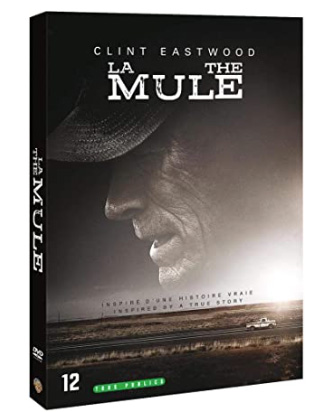
The Mule
Synopsis
Earl Stone is an elderly horticulturist whose business and family life have fallen apart. Facing financial difficulties and estrangement from his relatives, he accepts a seemingly simple driving job that pays unusually well. He soon discovers that he is transporting drugs for a powerful Mexican cartel. Because of his age and unassuming appearance, he attracts little suspicion and becomes a valuable courier. As the authorities close in, Earl must confront the consequences of his choices and decide what matters most in his remaining years.
The Making of the Film
The Mule was inspired by the real-life story of Leo Sharp, an elderly American veteran who became involved in drug trafficking. Sharp was arrested in 2011 after transporting large quantities of cocaine for a Mexican cartel. His unusual profile attracted attention because he was an ageing horticulturist with no obvious connection to organised crime. The story was first brought to wider public attention through a 2014 article by Sam Dolnick in The New York Times Magazine. Nick Schenk adapted the material into a screenplay, focusing on the contradictions between an ordinary elderly man and the criminal world he enters. Clint Eastwood chose to direct the film and also took the leading role as Earl Stone. The project allowed him to explore themes of ageing, regret and family relationships through a crime drama. The film combines elements of the documented case with fictionalised characters and situations. Its central interest lies not only in the criminal investigation but also in the personal consequences of a life spent neglecting loved ones.
Critical Reception
Professional Reviews: Critics generally praised Clint Eastwood's restrained performance and the film's reflective treatment of ageing and regret. The story was appreciated for combining a crime narrative with a character study about family responsibility. Some reviewers found the screenplay uneven, particularly in its treatment of racial stereotypes and supporting characters. The film's understated direction and moral perspective nevertheless received considerable attention.
Audience Reception: The Mule attracted a broad audience, helped by Eastwood's popularity and the unusual premise of an elderly drug courier. Many viewers appreciated its humour and emotional exploration of family relationships. Others found the pacing slow and the criminal storyline less suspenseful than expected. The film achieved a solid international box-office performance.
Awards: The Mule did not become a major awards contender, although it received attention from several critics and industry organisations. Clint Eastwood's performance was a frequent subject of discussion among reviewers. The film was recognised more for its commercial success and its place in Eastwood's later directing career than for major awards. Its real-life inspiration also contributed to public interest.
Behind-the-Scenes Facts
Director's Inspirations: Clint Eastwood was drawn to the contrast between the real-life case of Leo Sharp and the unexpected image of an elderly man working for a drug cartel. He wanted to explore the personal consequences of a man who had spent much of his life prioritising work over family. The director also used the story to reflect on ageing and the possibility of recognising past mistakes. The film maintains a relatively restrained approach to the criminal world, keeping the central character's personal journey in focus.
Production Challenges: The production had to balance the dramatic demands of a crime thriller with the slower rhythm of a story about an elderly protagonist. Filming took place in several locations in the United States, requiring coordination across different environments. Eastwood's character also needed to appear physically credible as an experienced driver whose age initially makes him seem harmless. The filmmakers used a mixture of real locations and controlled production settings to establish the road journey.
A Particular Scene: The driving sequences are central to the film because they gradually reveal how Earl becomes comfortable with his illegal work. Ordinary journeys acquire a sense of danger as the audience learns what he is transporting. These scenes also provide opportunities to show his interactions with strangers and the changing landscape around him. Their relatively calm presentation contrasts with the serious criminal consequences of his activities.
Themes Explored
Regret is one of the film's most important themes, as Earl gradually recognises how much he has sacrificed through years of neglecting his family. Ageing is presented not simply as physical decline but as a period in which a person must confront the consequences of earlier decisions. The story examines the attraction of money and the way financial desperation can lead people into dangerous situations. Family relationships are central, especially the tension between professional ambition and emotional responsibility. Earl's criminal activities also raise questions about morality, accountability and the willingness to ignore wrongdoing when it is profitable. The film explores the contrast between appearances and reality, since his age and polite behaviour make him an unlikely suspect. Friendship and companionship offer moments of relief during his journeys. Ultimately, The Mule suggests that personal redemption remains possible, but that repairing damaged relationships requires genuine effort.
Ending Explained
As the authorities close in, Earl begins to understand that his criminal activities have consequences extending far beyond his own financial situation. His family relationships have suffered for years, and the money he has earned cannot erase the emotional damage. When his former priorities become impossible to maintain, he chooses to return to his family rather than continue protecting the cartel business. His arrest marks the end of his career as a courier, but it also creates an opportunity to acknowledge his mistakes. The film does not present his actions as harmless simply because he is elderly or sympathetic. Instead, it shows that he must accept responsibility for the choices he has made. His decision to face the consequences is an important step toward reconciliation with his family. The ending is deliberately reflective, focusing on the value of time and human relationships. Earl's story becomes a late lesson about the cost of neglecting the people who matter most.
Meaning of the Title
The title The Mule refers to a person who transports illegal drugs or other contraband for criminal organisations. In the film, Earl becomes a courier whose age and ordinary appearance allow him to move through the country without attracting immediate suspicion. The word also has a symbolic meaning, suggesting someone who carries burdens created by other people. Earl spends much of his life carrying professional responsibilities while neglecting his emotional obligations. His criminal role makes this metaphor more literal, as he transports dangerous cargo for people who exploit his circumstances. The title also contrasts the apparent simplicity of his driving work with the serious consequences of the activity. It identifies the unusual occupation that drives the plot while hinting at the character's personal burden. The word is therefore both a crime-related description and a reflection of Earl's life.
Similar Films
- Gran Torino (2008), another Clint Eastwood film about ageing, regret and unexpected relationships.
- A Man Called Otto (2022), a character study about an older man confronting loss and family.
- American Made (2017), a crime drama inspired by a real-life drug smuggling operation.
- Donnie Brasco (1997), a crime film exploring the personal consequences of involvement with organised crime.