

 Français
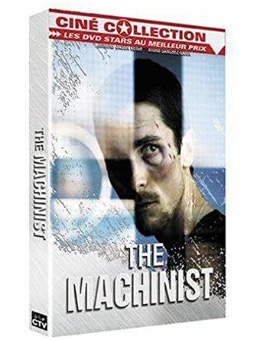
The Machinist
Synopsis
This haunting psychological thriller follows Trevor Reznik, an industrial factory worker suffering from severe, debilitating insomnia that has left him dangerously emaciated. As his physical and mental health deteriorates, he begins experiencing bizarre hallucinations and believes his coworkers are conspiring against him. The arrival of a mysterious, disfigured co-worker named Ivan triggers a downward spiral of paranoia, guilt, and cryptic clues. It is a dark, atmospheric masterclass in psychological suspense that keeps viewers guessing about what is real.
The Making of the Film
The project originated from writer Scott Kosar's fascination with psychological thrillers, classic insomnia studies, and the haunting works of Fyodor Dostoevsky. Director Brad Anderson sought to create an oppressive, nightmarish cinematic world that mirrored the protagonist's deteriorating mental state. Inspiration was drawn from classic film noir aesthetics, Kafkaesque alienation, and existential horror. The creative team aimed to construct a slow-burn mystery where physical decay directly reflects deep-seated psychological trauma and hidden guilt.
Critical Reception
Critics offered widespread critical acclaim, particularly praising Christian Bale's staggering physical transformation and mesmerizing lead performance. Reviewers noted that the film successfully maintained a suffocating, dreamlike atmosphere of dread and paranoia from start to finish. The precise direction, bleached-out cinematography, and haunting musical score were frequently highlighted as standout technical achievements. While some found the dark subject matter deeply unsettling, the overall psychological depth earned universal respect.
General audiences embraced the film as a riveting psychological puzzle, praising its suspenseful buildup and unforgettable twist ending. Viewers on public rating platforms commended the sheer dedication of the lead actor and the tight, economical storytelling. Word-of-mouth among thriller enthusiasts turned the indie production into an enduring cult classic. It is widely regarded as one of the most effective explorations of guilt and insomnia in modern cinema.
Awards season brought notable recognition, particularly at international fantasy and independent film festivals, honoring Bale's unprecedented physical commitment and acting mastery. Critics' associations praised the film for its uncompromising artistic vision and atmospheric brilliance. The screenplay and cinematography also earned nominations for their contribution to psychological tension. These accolades cemented its status as a landmark achievement in psychological thrillers.
Behind-the-Scenes Stories
The director drew visual inspiration from classic noir lighting, industrial decay, and surrealist paintings to establish the pale, washed-out color palette. Every set, from the dark factory floor to Trevor's desolate apartment, was designed to feel cold, sterile, and unwelcoming. The production team collaborated with medical experts to accurately portray the devastating neurological effects of chronic, prolonged insomnia. These artistic choices created a deeply immersive atmosphere of psychological alienation.
Production presented extreme physical and logistical challenges, most notably Christian Bale's shocking, dangerous weight loss of over sixty pounds for the title role. Shooting had to be carefully managed around the actor's fragile physical state while maintaining a rigorous production schedule in Spain. The crew utilized low-angle lenses and stark shadows to accentuate the character's skeletal appearance and vulnerable state. Furthermore, managing the precise continuity of hallucinations required meticulous script supervision.
During the filming of the intense industrial accident sequences, the director maintained a quiet, tense set environment to foster genuine anxiety among the cast. To capture authentic exhaustion, the lead actor relied on disciplined preparation and intense psychological immersion. The crew utilized chilling sound design, emphasizing mechanical hums and ticking clocks to represent the protagonist's frayed nerves. This rigorous dedication resulted in raw, unforgettable performances.
Casting was defined by the legendary physical and mental commitment demanded by the title role, requiring an actor willing to undergo a radical transformation. The lead star pursued the project passionately, viewing it as a once-in-a-lifetime dramatic challenge. Supporting actors were chosen for their ability to project subtle menace and ambiguous motives, keeping the audience constantly guessing. This focused casting strategy anchored the surreal narrative in compelling human interactions.
Themes Explored
The narrative deeply explores themes of crushing guilt, repressed trauma, and the psychological torment of a guilty conscience. It examines the devastating physical and mental toll of chronic insomnia and paranoia. Additionally, it highlights industrial alienation, societal isolation, and the inability to escape oneself. Ultimately, the film reflects on redemption, accountability, and the inescapable nature of truth.
Ending Explained
The climax reveals that Trevor has been suffering from extreme guilt caused by a hit-and-run accident he committed a year prior, killing a young boy. Ivan is actually a figment of his subconscious manifestation of his own rotting conscience. Having finally remembered the truth, Trevor turns himself in to the police, finally falling into a peaceful, deep sleep for the first time in a year.
Meaning of the Title
The title refers both to Trevor's profession as a factory machinist and metaphorically to how his mind operates like a relentless, grinding machine punishing him for his past.
Original Soundtrack
The haunting musical score by Roque Baños received high critical praise for utilizing discordant strings and industrial clangs to mirror the protagonist's fractured mental state.
Similar Films
Films sharing similar psychological twists and themes of guilt include Fight Club (1999), Shutter Island (2010), and Jacob's Ladder (1990).