

 Français
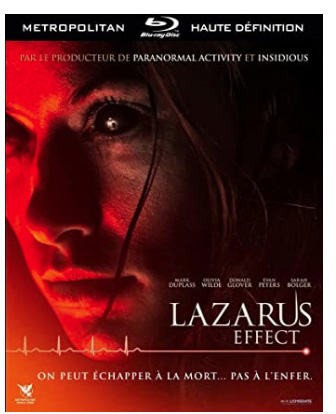
The Lazarus Effect
Synopsis
A visionary team of medical researchers led by Dr. Frank Walton and his fiancée Zoe discover a revolutionary serum code-named "Lazarus," designed to revive coma patients and dead tissue. When a tragic laboratory accident electrocutes Zoe to death, a grief-stricken Frank defies protocol and tests the experimental serum on her corpse, successfully bringing her back to life. However, they soon realize that Zoe has brought something terrifying back from the afterlife with her. As her psychological state deteriorates and supernatural abilities manifest, the researchers find themselves trapped in the laboratory fighting for their lives against an awakened evil.
The Making of the Film
Directed by David Gelb, the supernatural horror film was conceived as a high-concept medical thriller exploring the boundaries between life, death, and resurrection mythology. Gelb wanted to combine scientific plausibility with terrifying demonic possession tropes. The screenplay by Luke Dawson and Jeremy Slater focused on neurological brain activity after clinical death. Blumhouse Productions produced the low-budget horror flick to capitalize on supernatural thriller trends.
Critical Reception
Critical reception for the film was generally negative, with reviewers criticizing its derivative plot, uninspired jump scares, and predictable horror tropes borrowed from Flatliners and Pet Sematary. Critics felt the promising scientific premise quickly dissolved into a generic possession movie. Audiences offered a moderate box office response, turning the low-budget film into a modest financial success. It is remembered as a minor, forgettable supernatural horror flick.
Behind-the-Scenes Stories
Olivia Wilde underwent extensive special effects makeup sessions to portray the terrifying, black-eyed resurrected version of Zoe. The production was filmed on location inside a confined soundstage in California to mimic a claustrophobic university medical laboratory. Director David Gelb utilized flickering fluorescent lighting and creepy thermal camera angles to heighten supernatural suspense. Mark Duplass brought unexpected dramatic gravity to his role as the desperate grieving fiancé.
Themes Explored
The film explores scientific hubris, playing God, the afterlife, and the terrifying consequences of cheating death. It highlights neurological experimentation, guilt, and repressed trauma surfacing after resurrection. Demonic possession and scientific ethics drive the horror narrative. It also touches upon morality.
Ending Explained
Zoe, now fully possessed by a malevolent supernatural entity driven by childhood trauma and hellish corruption, murders all her fellow researchers inside the locked facility. She injects Frank with the Lazarus serum after killing him, successfully resurrecting him as her mindless, possessed thrall. The final chilling shots show Zoe entering a hospital waiting room with sinister glowing eyes, ready to spread her contagion to the outside world. The conclusion delivers a bleak, nihilistic horror finale with no survivors.
Meaning of the Title
The title refers directly to the medical concept of the Lazarus syndrome—where a patient spontaneously returns to life after resuscitation efforts have failed—and the experimental serum named after it. It symbolizes resurrection and unnatural revival. The name sets a medical horror tone.
Sarah Schachner composed an eerie, atmospheric electronic and string score that heightened the laboratory suspense and terror.
Flatliners, The Lazarus Project, Event Horizon, Ex Machina