

 Français
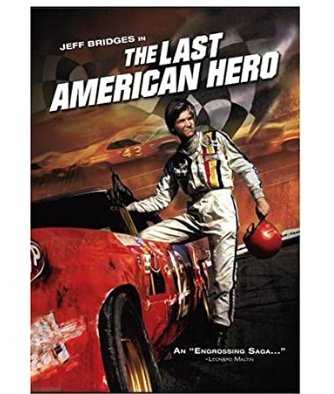
The Last American Hero
Synopsis
The gritty biographical sports drama chronicles the early racing career of legendary NASCAR pioneer Junior Johnson, a daring moonshiner from North Carolina who transitions his illegal driving skills into stock car racing glory. Raised in a family of rural bootleggers, Junior learns to outrun federal agents on winding mountain roads before taking his raw driving talent to professional superspeedways. Battling corporate racing teams and entrenched industry politics, he carves out a legendary legacy as a working-class racing hero.
The Making of the Film
Director Lamont Johnson adapted Tom Wolfe's famous Esquire magazine profile on Junior Johnson to capture the colorful counterculture roots of early stock car racing. Producers sought to recreate the dusty, authentic atmosphere of rural southern speedways and moonshine smuggling routes of the 1950s and 1960s. The production utilized authentic North Carolina locations and actual vintage racing stock cars to maintain gritty period realism. Jeff Bridges was cast as Junior Johnson, bringing charismatic swagger and southern charm to the lead role. The film aimed to celebrate the rebellious working-class origins of NASCAR.
Critical Reception
Critics offered generally favorable reviews, praising Jeff Bridges' standout lead performance, high-speed racing choreography, and the film's authentic regional flavor. Reviewers noted that the sports drama successfully avoided polished Hollywood cliches, embracing the gritty countercultural roots of southern racing culture. Audiences responded warmly to the fast-paced action and rebellious anti-establishment tone. It has since gained recognition as a cult classic of 1970s American cinema. It remains celebrated as one of the best early depictions of NASCAR history.
Behind-the-Scenes Stories
Lamont Johnson drew visual inspiration from 1970s New Hollywood cinema and photojournalism documenting southern car culture. Jeff Bridges spent time learning driving maneuvers from real stock car mechanics and stunt drivers to authentically handle vintage racing vehicles. During filming across southern dirt tracks, the crew utilized specialized camera mounts to capture intense wheel-to-wheel racing action. Junior Johnson himself served as a technical consultant during production.
Themes Explored
The narrative explores working-class rebellion, rural American identity, the evolution of motorsports, and paternal legacy. It examines how illegal moonshining skills accidentally birthed one of America's most popular professional sports. Furthermore, it highlights the friction between corporate sponsorship and grassroots independence.
Ending Explained
Junior Johnson dominates a major NASCAR race on a scorching afternoon, cementing his status as the undisputed king of stock car racing before adoring southern fans. The final cinematic moments celebrate his journey from rural bootlegger to national sporting icon. A satisfying, dust-covered sense of triumph closes the film.
Meaning of the Title
The title refers to Junior Johnson embodying the rugged, independent spirit of traditional American folk heroes adapted to the modern racetrack.
Other gritty motorsports and counterculture films such as Vanishing Point, Two-Lane Blacktop, and Days of Thunder.