

 Français
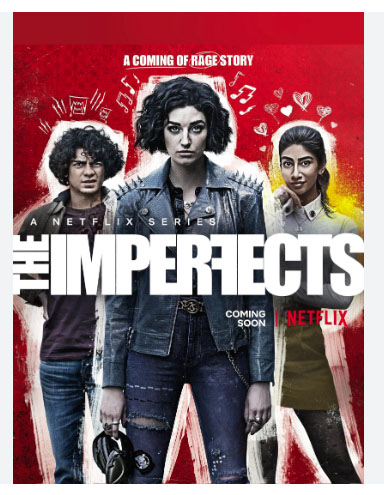
The Imperfects
Synopsis
Following a series of experimental gene therapy trials sponsored by a shadowy scientific corporation, three twenty-somethings—Tilda, Juan, and Abbi—discover that the experimental drugs have mutated their DNA into monstrous supernatural conditions. Tilda gains sonic scream abilities like a banshee, Juan transforms into a chupacabra-like beast under stress, and Abbi develops terrifying succubus pheromones. Abandoned by the corrupt scientist responsible who has since vanished, the trio teams up with a disgraced geneticist to track him down and force him to reverse their mutations before they lose their humanity entirely. Along the way, they must evade government agents and fight rogue supernatural threats.
The Making of the Film
Created by Dennis Heaton and Shelley Eriksen, this supernatural sci-fi action series was produced for Netflix to explore monster tropes through a contemporary coming-of-age lens. The creators wanted to blend superhero action with body horror comedy, focusing on young adults dealing with sudden, unwanted physical transformations as metaphors for chronic illness and teenage alienation. Principal photography took place in Vancouver, British Columbia, utilizing practical creature makeup effects alongside digital visual enhancements. The production team aimed to give each main character a distinct monster mythology while keeping their human emotional struggles grounded.
Critical Reception
Critics gave the series mixed reviews, praising its fun monster-of-the-week creature designs, energetic punk-rock soundtrack, and charismatic young lead cast, while noting that the plot occasionally relied on familiar sci-fi procedural clichés. Reviewers highlighted the strong chemistry among Italia Ricci, Morgan Taylor Campbell, Rhianna Jagpal, and Ichiro Nohara. Commentators appreciated the refreshing blend of dark humor and body horror. Many fans praised its entertaining, fast-paced streaming binge appeal.
Audiences responded with warm enthusiasm on streaming platforms, enjoying the quirky superhero-monster mashup and underdog character dynamics. Viewers praised the practical creature effects and the emotional struggles of characters coping with monstrous side effects. Fan communities engaged in lively discussions regarding the mythology and character arcs. The cliffhanger ending left viewers eager for further seasons.
While streaming series rarely compete in major traditional award ceremonies, the show earned nominations at various Leo Awards in British Columbia for stunt coordination, makeup design, and visual effects. Critics' circles commended its creative creature concepts and energetic tone. Industry analysts viewed it as a fun addition to Netflix's genre slate. It remains a beloved cult favorite among fans of supernatural youth television.
Behind-the-Scenes Stories
Creators Dennis Heaton and Shelley Eriksen spent years pitching the concept as an affectionate subversion of traditional superhero origin stories, focusing on characters who view their powers as an absolute curse rather than a gift. The production team hired veteran practical prosthetic creature designers in Vancouver to build realistic, slimy, and terrifying physical monster appliances that actors had to wear for hours. Cast members underwent specialized stunt training to handle wire-fu action sequences.
Production faced unique logistical hurdles coordinating complex night shoots across wet Vancouver alleyways during rainy autumn schedules. The makeup department spent up to three hours every morning applying intricate scale and horn prosthetics to the lead actors before filming could begin. Stunt coordinators engineered safe, controlled practical fight choreography for banshee sonic blasts and beast transformations. Sound designers layered heavy animal growls with vocal distortion effects.
During the filming of a chaotic laboratory escape scene, a prop breakaway glass door failed to shatter on cue, leading to a quick technical reset that the crew handled with good-natured humor. The prop department manufactured glowing scientific vials and futuristic medical lab equipment. Wardrobe stylists designed edgy, street-style outfits to reflect the characters' outcast status.
Casting Italia Ricci as the ruthless scientist brought sharp antagonistic authority to the narrative. Morgan Taylor Campbell, Rhianna Jagpal, and Rhys Nicholson grounded the monster transformations with vulnerable teenage humor. Supporting actors added depth to the government agency pursuers.
Themes Explored
Chronic illness, bodily autonomy, and learning to accept one's physical differences form the core metaphorical backbone of the monster mutations. Scientific ethics, corporate greed, and unregulated human experimentation are heavily critiqued through the shadowy laboratory plot. Friendship, loyalty, and finding community among outcasts help the trio survive their terrifying ordeal. Additionally, embracing one's inner monster rather than fighting it defines the character arcs.
Ending Explained
Following a final explosive confrontation at the corporate research facility, the trio manages to uncover critical data regarding their genetic code, discovering that permanent cures are theoretically possible if they continue tracking down rogue samples. While they do not achieve an instant, total cure by the final frame, they have successfully stopped the immediate corporate threat and learned to harness their monstrous abilities as defensive superpowers rather than curses. Standing united as an adopted family, they embrace their chaotic new reality. The final lingering shots hint at wider supernatural outbreaks across the city, setting the stage for unproduced adventures.
Meaning of the Title
Refers to the protagonists—flawed young adults whose mutated DNA leaves them feeling broken and imperfect as they navigate monsterhood.
Similar Films
Runaways, The Order, The Umbrella Academy, Locke & Key, Teen Wolf.