

 Français
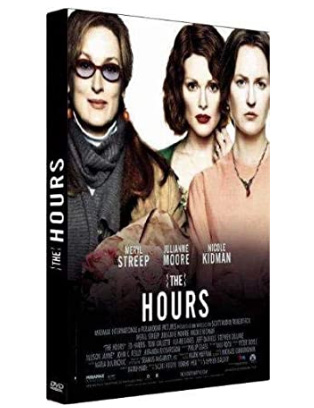
The Hours
Synopsis
Set across three different time periods, the film intertwines the lives of three women connected by Virginia Woolf classic 1925 novel Mrs. Dalloway. In 1923 London, Woolf struggles with severe depression and mental breakdown while attempting to write her masterpiece. In 1951 Los Angeles, a depressed pregnant suburban housewife named Laura Brown feels suffocated by her domestic life while reading the novel. In 2000 New York City, a modern book editor named Clarissa Vaughan prepares a celebration for her dying poet friend Richard, mirroring the exact plot of Woolfs novel. Across generations, their struggles with mental illness, societal expectations, and mortality converge in profound emotional tragedy.
The Making of the Film
Director Stephen Daldry adapted the film from Michael Cunningham Pulitzer Prize-winning 1998 novel of the same name. Producer Scott Rudin championed the project, assembling an extraordinary ensemble of prestige actors and screenwriter David Hare. Paramount Pictures and Miramax financed the deeply emotional multi-generational drama.
Critical Reception
Critics universally acclaimed The Hours as a breathtaking, emotionally devastating, and brilliantly acted masterpiece of dramatic cinema. Reviewers praised Stephen Daldrys sensitive direction, David Hares stellar screenplay, and powerhouse lead performances by Nicole Kidman, Meryl Streep, and Julianne Moore. The film was celebrated for its poetic exploration of female mental health, literature, and existential despair.
Public reception was strong, turning the high-prestige drama into a major box-office success worldwide and an awards-season powerhouse. Audiences were deeply moved by the tragic intersecting timelines and haunting musical score. It remains an all-time classic prestige drama.
The film earned nine Academy Award nominations, including Best Picture, Best Director, Best Adapted Screenplay, and acting nods for Meryl Streep, Julianne Moore, and Ed Harris. Nicole Kidman won the Academy Award for Best Actress for her transformative portrayal of Virginia Woolf. Its legacy is monumental.
Behind-the-Scenes Stories
Director Stephen Daldry drew inspiration from Virginia Woolf literary masterpiece, biographical accounts of mental illness, and classical painting. He chose authentic period London homes, suburban Los Angeles houses, and modern Manhattan apartments to anchor each era. His direction encouraged Nicole Kidman to wear a prosthetic nose and master Woolf intense psychological vulnerability.
Production went smoothly, supported by meticulous period art direction and costume design reflecting 1923, 1951, and 2000. Nicole Kidman performed all her own scenes despite wearing cumbersome prosthetics daily. Julianne Moore brought heartbreaking quiet desperation to her suburban mother role.
A memorable sequence involves Virginia Woolf confronting her husband in a London railway station after attempting to flee her domestic confinement. The scene captures the agonizing struggle of mental illness and artistic freedom. Kidman emotional performance anchored the tragedy.
The casting process brought together three of the greatest actresses of modern cinema. Nicole Kidman was cast as Virginia Woolf, delivering a transformative performance. Julianne Moore and Meryl Streep rounded out the intersecting timelines with peerless emotional depth.
Themes Explored
The film explores mental illness, suicide, female identity, domestic suffocation, literary creation, and mortality. It highlights how art connects human souls across generations through shared suffering. Empathy transcends time.
NULL
Meaning of the Title
The title refers directly to Virginia Woolf original working title for Mrs. Dalloway, emphasizing the fleeting, precious hours of a single day that shape a human life. It highlights the temporal framework of existence.
NULL
NULL
Similar Films
Other similar films include Atonement, Revolutionary Road, and Melancholia.