

 Français
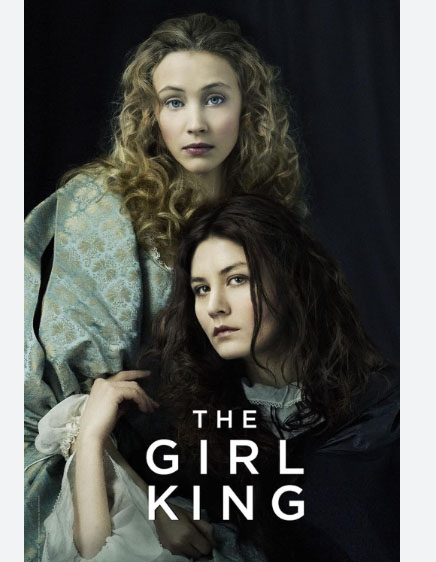
The Girl King
Synopsis
In seventeenth-century Sweden, Queen Christina ascends to the throne at a young age and challenges the conservative, patriarchal establishment. Brilliant, eccentric, and fiercely independent, she promotes art, philosophy, and science while refusing traditional royal marriage expectations. Her deep intellectual bond with her female courtier sparks political scandal and intense personal conflict. Ultimately, she makes the staggering choice to abdicate her crown in pursuit of personal freedom and truth.
The Making of the Film
Director Mika Kaurismäki collaborated with screenwriter Michel Marc Bouchard to bring the historical life of Queen Christina to the international screen. The project was conceived as a lavish historical biographical drama focusing on gender identity, intellectual freedom, and political rebellion. Kaurismäki drew inspiration from historical archives, royal letters, and philosophical texts written during Christina's reign. The production utilized authentic European locations and period-accurate costume designs to recreate the opulent yet cold seventeenth-century Swedish court.
Critical Reception
Critics offered mixed reviews upon release, praising its ambitious historical scope, lush cinematography, and Malin Buska's commanding lead performance. Reviewers commended the film for tackling complex themes of gender non-conformity and intellectual liberation in a historical setting. Some film critics, however, felt that the narrative pacing felt uneven and overly melodramatic in its romantic subplots. Despite mixed critical opinions, historical drama enthusiasts praised its daring portrayal of a forgotten monarch.
Audiences appreciated the lavish period aesthetics, strong feminist themes, and the fearless portrayal of a complex historical figure. Viewers on independent streaming platforms commended Malin Buska's striking portrayal of the eccentric and brilliant Swedish queen. While it did not achieve massive mainstream box-office success, it found a devoted audience among fans of historical biographical dramas. Many praised its courage in exploring queer historical narratives that are rarely highlighted in cinema.
Although major mainstream awards eluded the European biographical release, it earned recognition at several international film festivals. Its acclaim centered primarily on Malin Buska's standout lead performance and the stunning costume design. The atmospheric art direction received praise from historical film guilds. These festival honors helped establish the film as a respected and unique entry in modern historical cinema.
Behind-the-Scenes Stories
Mika Kaurismäki was inspired by the profound historical legacy of Queen Christina as one of Europe's most intellectually radical monarchs. He wanted to explore how a young woman navigated a brutal, male-dominated political landscape using sheer intellect. The visual style utilized natural candlelight, dark wooden palace interiors, and rich winter color palettes to evoke seventeenth-century Scandinavia. The director also drew from historical accounts of the royal court's rigid religious conservatism.
Recreating seventeenth-century Stockholm on a European co-production budget required immense resourcefulness from the art and costume departments. Production took place across historic locations in Finland and Germany, presenting logistical challenges for period accuracy. The cast wore heavy, intricate wool and silk costumes that reflected the freezing climate and royal status. Despite these production hurdles, the crew delivered a visually striking and authentic historical atmosphere.
During the filming of the intense philosophical debate scenes in the royal court, Malin Buska maintained strict focus to capture Christina's razor-sharp intellect. The actors underwent extensive dialect and etiquette training to replicate seventeenth-century aristocratic demeanor. Crew members noted that shooting in historic European castles added an authentic layer of acoustic and visual grandeur. The intense emotional commitment of the cast brought palpable tension to the political betrayal sequences.
Casting directors searched extensively for a fearless actress who could project both regal authority and fierce intellectual rebellion. Malin Buska was chosen for the demanding lead role of Queen Christina due to her striking physical presence and dramatic range. Sarah Gadon was cast as Countess Ebba Sparre, providing a compelling emotional anchor for the royal romance. The supporting cast of conservative politicians and religious scholars was selected to heighten the oppressive court atmosphere.
Themes Explored
The film heavily explores themes of gender identity, female autonomy, and the rejection of patriarchal expectations. It examines the conflict between absolute monarchy, religious dogma, and intellectual enlightenment. Another core motif is the heavy personal cost of pursuing absolute personal and artistic freedom. It also touches upon love, sacrifice, and the courage to walk away from power.
Ending Explained
The film concludes with Queen Christina officially abdicating the Swedish throne in front of her stunned parliament and court. She chooses exile and intellectual independence over a loveless political crown that restricts her mind and heart. The final shots show her departing Sweden dressed in men's riding attire, looking toward a future of philosophical exploration in Europe. This powerful finish celebrates her ultimate triumph in claiming her own identity against the crushing weight of history.
Meaning of the Title
The title refers directly to Queen Christina's unique historical status as a female monarch who ruled Sweden with absolute male prerogative. It highlights her refusal to conform to traditional gender roles or marry for political convenience. The phrasing creates a striking juxtaposition between youth, gender, and supreme political power. It encapsulates her defiant reign as a brilliant sovereign ahead of her time.
Similar films include The Favourite, Elizabeth, Marie Antoinette, and Orlando, which feature royal rebellions, brilliant female monarchs, and period drama aesthetics.