

 Français
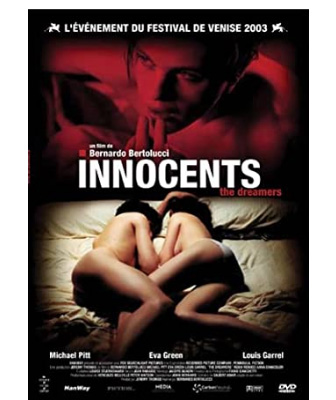
The Dreamers
Synopsis
In Paris during the turbulent student riots of 1968, a young American film student named Matthew befriends twin siblings Isabelle and Théo. When their parents leave on vacation, Matthew is invited to stay in their luxurious apartment, leading to an intense living arrangement. Isolated from the political chaos outside, the trio immerse themselves in cinematic games, intellectual debates, and sexual exploration. As their provocative games escalate, the real world eventually shatters their sheltered bohemian bubble.
The Making of the Film
Director Bernardo Bertolucci adapted the film from Gilbert Adairs semi-autobiographical novel The Holy Innocents. Bertolucci wanted to pay passionate homage to his love for classic cinema while exploring youth rebellion and sexual awakening in 1960s Paris. The project served as a deeply personal cinematic reflection for the veteran director.
Critical Reception
Critics delivered mixed reviews, heavily praising the films gorgeous cinematography, cinephile references, and sensual atmosphere. Many reviewers, however, found the narrative self-indulgent, controversial, and overly reliant on explicit sexual provocation. The performances of Eva Green and Louis Garrel were widely lauded for their hypnotic screen presence.
Public reception was polarized, generating immense controversy upon release due to its explicit nudity and provocative themes. Cinephiles and art-house enthusiasts embraced the film for its stunning visual poetry and passionate love of cinema. It became a prominent talking point in discussions about modern erotic art-house cinema.
While the film did not win major mainstream Hollywood awards, it received recognition at several international film festivals. Eva Green achieved instant global stardom and critical praise for her daring feature film debut. Its unique visual style remains celebrated among independent film circles.
Filming Anecdotes
Director Bernardo Bertolucci drew inspiration from classic French New Wave cinema and his own memories of living in Paris during 1968. He wanted the apartment setting to feel like a cinematic womb detached from historical reality, utilizing iconic movie poster imagery throughout. His direction encouraged the young actors to completely shed their inhibitions during intimate sequences.
Production required intense trust between the young actors and the veteran director due to the challenging and explicit nature of the script. Eva Green made her impressive cinematic debut under immense international scrutiny regarding the films controversial content. The recreation of the Parisian student riots demanded careful logistical coordination on location.
A standout sequence involves the trio recreating famous cinematic scenes inside the Louvre museum in a breathless race against time. The sequence captures their obsessive, encyclopedic love of film history and youthful exuberance. Both actors moved with effortless grace to echo classic movie choreography.
The casting process was rigorous since the emotional and physical demands on the three leads were exceptionally high. Eva Green was discovered by Bertolucci and cast immediately for her striking aristocratic beauty and intellectual aura. Michael Pitt was chosen to represent the bewildered American perspective observing Parisian bohemian culture.
Themes Explored
The film explores sexual awakening, political radicalization, and the intoxicating escapism of cinema. It examines the intense codependency and psychological enclosure of sibling relationships. Youthful idealism crashing against harsh historical reality is a central motif.
NULL
Title Significance
The title refers to the youthful protagonists who escape political and social reality by living inside their shared cinematic fantasies. It signifies the dreamlike state of innocence before real-world responsibilities shatter their illusion.
NULL
NULL
Similar Films
Other similar films include Last Tango in Paris, The Dreamers, and The Edukators.