

 Français
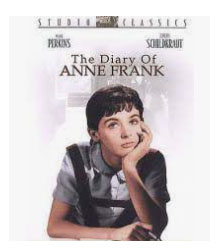
The Diary of Anne Frank
Synopsis
The Diary of Anne Frank tells the deeply moving, biographical true story of Anne Frank, a young Jewish girl who goes into hiding with her family in a cramped secret annex above an Amsterdam warehouse to escape Nazi persecution during World War II. For over two years, Anne documents her adolescent hopes, fears, budding romances, and the claustrophobic daily tensions of sharing close quarters with another family and an eccentric dentist. Through her optimistic writing, she preserves the human spirit amidst unimaginable darkness before their tragic betrayal and arrest.
The Making of the Film
Directed by legendary filmmaker George Stevens, the film was adapted from Frances Goodrich and Albert Hackett's Pulitzer Prize-winning stage play, which itself was drawn from Anne Frank's authentic published diary. George Stevens felt a deeply personal connection to the material, having filmed the liberation of Nazi concentration camps as a military cameraman. The production constructed a meticulous, full-scale replica of the Secret Annex on a Hollywood soundstage to capture authentic claustrophobia.
Critical Reception
Critics universally lauded The Diary of Anne Frank as a cinematic masterpiece, praising its emotional dignity, sensitive direction, and Millie Perkins's luminous debut performance as Anne. Reviewers highlighted the film's ability to balance profound historical tragedy with youthful optimism and resilience. The atmospheric set design received widespread critical acclaim.
Audiences responded with profound emotional reverence, deeply moved by the timeless humanist message and the tragic historical weight of the narrative.
The film achieved major awards-season glory, receiving eight Academy Award nominations and winning three Oscars, including Best Supporting Actress for Shelley Winters, Best Art Direction, and Best Cinematography.
Behind-the-Scenes Stories
George Stevens drew inspiration from his own haunting wartime experiences filming concentration camp liberations, approaching the subject with profound solemnity and respect.
Constructing the detailed Secret Annex set on a soundstage required specific lighting angles to emphasize the stifling confinement and lack of sunlight.
During the filming of the Hanukkah celebration scene, the cast maintained genuine emotional gravity, reflecting the historical weight of the moment.
Casting newcomer Millie Perkins out of thousands of hopefuls provided the film with an authentic, youthful innocence essential for Anne's character.
Themes Explored
The film explores the Holocaust, the resilience of the human spirit, adolescent hope, anti-Semitism, confinement, and the historical power of writing.
Ending Explained
The tragic conclusion depicts the Gestapo raiding the Secret Annex after a betrayal, followed by Otto Frank returning after the war to find his daughter's immortal diary.
Meaning of the Title
Reference to the real historical diary kept by Anne Frank during her years in hiding, symbolizing eternal witness and youthful hope.
Original Soundtrack
The original musical score by Alfred Newman features haunting, emotional orchestral themes that elevate the historical tragedy with immense dignity.
Similar films include Schindler's List, The Boy in the Striped Pyjamas, The Pianist, and Life Is Beautiful.