

 Français
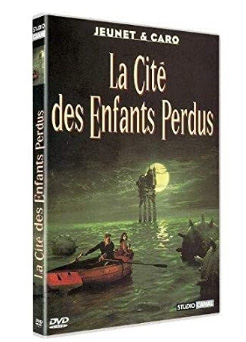
The City of Lost Children
Synopsis
The City of Lost Children is a visually stunning, surreal, and dark fantasy-scifi masterpiece co-directed by Jean-Pierre Jeunet and Marc Caro. Set in a bizarre, timeless port city shrouded in perpetual gloom, the story follows an evil, aging scientist named Krank who is incapable of dreaming and is rapidly aging as a result. To steal children's dreams, Krank and his army of clones and Cyclops cultists kidnap orphans from the harbor, including the little adopted brother of a gentle, hulking circus strongman named One. Teaming up with a street-smart orphan girl named Miette, One embarks on a surreal quest through a steampunk underworld to rescue his brother. The film delivers unmatched gothic visual imagination.
The Making of the Film
Directors Jean-Pierre Jeunet and Marc Caro spent years conceptualizing the dark fairy-tale project, combining their distinct visual aesthetics of French comic books, surrealism, and steampunk design. The filmmakers built intricate miniature models and utilized cutting-edge CGI compositing to bring the bizarre harbor city to life. Jean Paul Gaultier designed the eccentric, unforgettable period costumes. Ron Perlman, who did not speak French at the time, learned all his dialogue phonetically to star as the gentle giant One alongside young actress Judith Vittet.
Critical Reception
Professional critics greeted the film with widespread critical acclaim, praising its breathtaking steampunk visual design, extraordinary inventiveness, and dark fairy-tale atmosphere. Reviewers lauded Jeunet and Caro's visionary direction for creating a completely unique cinematic universe filled with clones, brain-swapping parrots, and surreal contraptions. Critics highlighted the touching bond between the hulking strongman and the street orphan. It was hailed instantly as a visionary masterpiece of fantasy cinema.
Audiences experienced a mesmerizing visual feast, turning the avant-garde French production into an international cult favorite among fantasy and sci-fi connoisseurs. Viewers were captivated by the rich gothic textures, whimsical humor, and nightmarish dream imagery. Word-of-mouth recommendations cemented its status as an immortal classic of European cinema. Its artistic influence remains massive.
The film achieved major awards success, earning César Award nominations for its magnificent art direction, costume design, and Darius Khondji's stunning cinematography.
Behind-the-Scenes Stories
Directors Jean-Pierre Jeunet and Marc Caro drew inspiration from classic fairy tales, French graphic novels, and German expressionist cinema. Coordinating the complex visual effects and miniature set shots required meticulous pre-production planning before digital compositing became mainstream. During the filming of the harbor sequences, Ron Perlman worked tirelessly to coordinate his physical stunts while speaking phonetic French dialogue. Before final casting was completed, various actors were considered for the eccentric villain roles.
Themes Explored
Dreams, Steampunk, Orphans, Surrealism, Fantasy, Kidnapping
Ending Explained
The magical conclusion shows Krank's fortress destroyed and the kidnapped children safely rescued, allowing Miette and One to sail away into a hopeful sunrise.
Meaning of the Title
The title refers directly to the vulnerable orphans captured from the harbor by Krank to feed his desperate need for stolen dreams.
Original Soundtrack
Angelo Badalamenti composed a mesmerizing, haunting orchestral and accordion score that perfectly captured the dark, whimsical, and melancholic fairy-tale atmosphere.
Delicatessen, Amélie, Brazil, Dark City