

 Français
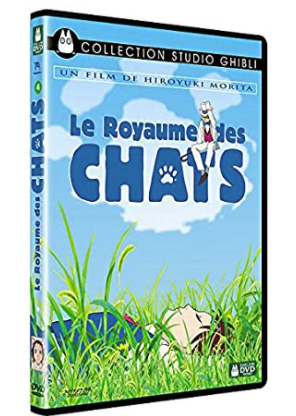
The Cat Returns
Synopsis
Haru Yoshioka is an ordinary, quiet high school student who possesses the unusual ability to speak with cats. One afternoon, she saves a mysterious feline from being struck by a truck, only to discover that the cat is actually Lune, the Prince of the Cat Kingdom. Out of gratitude, the King of Cats showers her with bizarre gifts and eventually decrees that she must marry Prince Lune. Desperate for help, Haru hears a mysterious voice guiding her to the whimsical Cat Bureau, where she enlists the aid of the dapper cat baron Humbert von Gikkingen, a cynical fat cat named Muta, and a wise raven named Toto.
The Making of the Film
Studio Ghibli produced the film as a spin-off following a short cat-themed manga commissioned for a Japanese amusement park project. Director Hiroyuki Morita was brought on to helm the project, transforming the initial concept into a full-length feature film with guidance from Hayao Miyazaki. The story draws inspiration from classic fairy tales, Lewis Carroll's whimsical literature, and traditional Japanese folklore concerning magical feline spirits. The production aimed to create a lighter, more fast-paced adventure compared to some of Ghibli's heavier dramatic works.
Critical Reception
Professional critics welcomed the film with warm and positive reviews, praising its charming visual style, delightful humor, and fast-paced storytelling. Reviewers highlighted the imaginative world-building of the Cat Kingdom and the endearing charm of the supporting feline characters like the Baron. Some critics noted that it was a lighter and more whimsical entry compared to Hayao Miyazaki's masterpieces, but nonetheless appreciated its entertaining and accessible nature.
The public reception was enthusiastic, as families and animation fans embraced the movie's lighthearted tone, colorful animation, and lovable animal characters. It performed very well at the Japanese box office and quickly became a beloved classic within the Studio Ghibli catalog worldwide. Audiences particularly resonated with Haru's relatable journey of self-discovery and courage.
The film earned recognition within the Japanese animation industry and received several accolades at domestic film festivals for its artistic direction and family-friendly appeal. Its memorable musical score and imaginative character designs were frequently highlighted in critical roundups of contemporary anime features.
Shooting Anecdotes
Director Hiroyuki Morita drew inspiration from classic European adventure tales and surreal fantasy literature to establish the distinct look of the Cat Kingdom. He wanted the transition from the real world into the feline realm to feel magical, colorful, and slightly eccentric.
Production presented unique animation challenges in rendering fluid, anthropomorphic cat movements while maintaining distinct individual personalities for dozens of feline characters on screen at once.
A particularly delightful sequence involving the grand banquet at the Cat King's palace required meticulous background detail to showcase humorous feline behaviors hidden in the corners of every frame.
During the initial conceptualization phase, various alternative plotlines involving different human protagonists were explored before settling on Haru as the clumsy yet courageous teenage heroine.
Thematic Exploration
Self-acceptance, valuing everyday life, kindness toward animals, and finding one's inner strength.
Ending Explanation
Haru successfully escapes the Cat Kingdom with the help of the Baron and realizes that she appreciates her normal human life and flaws. She returns to school with newfound confidence, ready to face her daily challenges with a positive attitude.
Title Significance
The title references Haru's surreal journey into the feline world and the ultimate realization that she must find her way back to her own identity and reality.
News
The film remains a fan favorite among Studio Ghibli enthusiasts, frequently featured in anniversary screenings and special animation retrospectives across the globe.
Similar Films
Whisper of the Heart, Spirited Away, Kiki's Delivery Service, The Secret World of Arrietty