

 Français
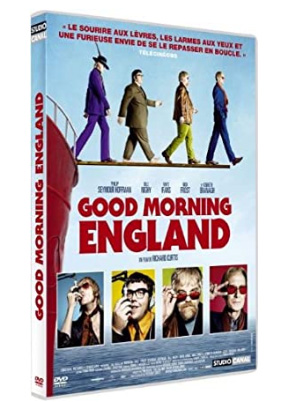
The Boat That Rocked
Synopsis
Set in 1966, the film follows a group of rebellious DJs operating a pirate radio station broadcasting rock and pop music from a boat in the North Sea. Despite the British governments attempts to shut down illegal broadcasting, the station gains massive popularity among millions of listeners across the country. Young Carl is sent by his mother to the boat to straighten out his life, only to find himself immersed in the vibrant counterculture. Together, the crew fights passionately for musical freedom.
The Making of the Film
Writer and director Richard Curtis was inspired by the real history of 1960s offshore pirate radio stations that defied BBC monopolies. Curtis grew up listening to these illegal broadcasts and wanted to celebrate the revolutionary power of rock music. He crafted a fictionalized ensemble comedy honoring the DJs who changed British broadcasting forever.
Critical Reception
Critics gave the film mixed reviews, with some praising its energetic soundtrack, joyful spirit, and stellar British cast. Other reviewers felt that the narrative structure was overly chaotic and stretched out across its runtime. Over time, the movie has gained a loyal following of music lovers appreciating its nostalgic charm.
Public reception was warm among audiences who enjoyed the incredible classic rock anthems and lighthearted comedic tone. Viewers appreciated the celebration of anti-establishment freedom and youth culture in 1960s Britain. It remains a feel-good crowd-pleaser for fans of classic rock music.
While the film did not capture major mainstream cinematic awards, it was celebrated for its extraordinary compilation soundtrack. The ensemble cast received recognition for their vibrant comedic chemistry. Its musical celebration continues to resonate with generations of fans.
Filming Anecdotes
Director Richard Curtis drew inspiration from classic British ensemble comedies and his own childhood memories of listening to offshore radio. He wanted the visual style to capture the colorful, optimistic pop-art aesthetic of mid-60s Britain. His primary goal was to make viewers feel as though they were right there on the boat partying with the DJs.
Production presented unique nautical challenges as the crew filmed on a real ship tossed about by North Sea waters. Actors frequently experienced seasickness during rough weather conditions while trying to deliver comedic lines. The cast bonded closely during these intense maritime shooting schedules.
A standout sequence involves the entire crew coming together on deck to celebrate the sheer joy of rock music as dawn breaks over the sea. The scene captures the rebellious spirit and camaraderie that defined the era. Philip Seymour Hoffmans magnetic energy anchored these emotional group moments brilliantly.
The casting process assembled an incredible roster of top British and international comedic talent. Philip Seymour Hoffman was brought in to play the American station manager, bringing unmatched gravitas and comedic timing. Bill Nighy, Kenneth Branagh, and Nick Frost rounded out the eccentric crew with unforgettable performances.
Themes Explored
The film explores the liberating power of music, artistic censorship, and anti-establishment rebellion. It highlights the clash between stuffy bureaucratic traditions and youthful cultural freedom. Community and camaraderie among outcasts are central motifs.
NULL
Title Significance
The title refers both to the literal pirate radio boat broadcasting music and to the disruptive cultural impact the DJs had on British society. It signifies rocking the establishment boat through the power of rock and roll.
NULL
NULL
Similar Films
Other similar films include Almost Famous, High Fidelity, and Piramide.