

 Français
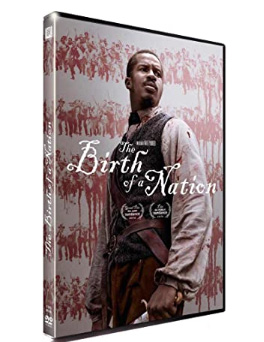
The Birth of a Nation
Synopsis
Set in the antebellum American South prior to the Civil War, the film tells the harrowing true story of Nat Turner, a literate enslaved preacher and spiritual leader. Entrusted by his benevolent yet financially struggling master to use his sermons to pacify unruly slaves on neighboring plantations, Turner witnesses firsthand the unspeakable atrocities and systemic cruelty of slavery. Moved by profound religious conviction and mounting human suffering, Turner organizes a massive liberation rebellion in Southampton County, Virginia. The uprising becomes a desperate fight for freedom and human dignity against overwhelming oppressive force.
The Making of the Film
Writer, director, and star Nate Parker spent years developing the biographical historical drama to reclaim the cinematic narrative surrounding Nat Turner's 1831 slave rebellion. Inspired by historical texts and slave narratives, Parker sought to portray Turner not just as a militant revolutionary, but as a deeply spiritual man pushed to revolt by unbearable cruelty. The project aimed to challenge traditional Hollywood depictions of the antebellum South by centering Black agency and resistance. Financing was eventually secured through independent investors following enthusiastic festival backing.
Critical Reception and Reviews
Professional Critic Reviews
Critics offered generally positive reviews for the film's powerful subject matter, emotional resonance, and Nate Parker's passionate lead performance. Reviewers praised the striking cinematography and the unflinching depiction of the brutal realities of plantation slavery. Some critics, however, noted that the screenplay occasionally relied on heavy-handed melodrama and conventional historical epic tropes. Overall, it was recognized as a historically significant and emotionally shattering cinematic achievement.
Public Reception
Audiences responded with deep emotional intensity, moved by the powerful historical reckoning and the spiritual themes woven throughout the narrative. Viewers praised the film for bringing a crucial, underrepresented chapter of American history to wide theatrical prominence. The stirring climax left a lasting impact on viewers discussing historical resistance.
Awards and Honors
At the Sundance Film Festival, the film achieved historic success by winning both the Audience Award and the Grand Jury Prize in the dramatic competition. Nate Parker's ambitious directorial debut drew widespread industry acclaim for its bold historical scope and passionate execution.
Filming Anecdotes
Director's Inspirations
Nate Parker drew deep inspiration from classic historical epics and spiritual slave narratives that emphasize faith, resilience, and resistance. He wanted the visual palette to reflect the natural beauty of the southern landscape juxtaposed against the dark horrors of institutional bondage. Biblical imagery and prophetic visions were heavily incorporated into Turner's character arc.
Production Difficulties
Shooting a large-scale historical period epic on a constrained independent budget required immense resourcefulness from the entire production crew. Recreating authentic antebellum plantations, period costumes, and military details demanded rigorous historical research. Managing large background crowd scenes during intense battle sequences required meticulous stunt choreography and safety oversight.
Particular Scene Anecdote
The emotionally charged church sermon sequences required Nate Parker to deliver rousing, fiery speeches to hundreds of background extras over multiple grueling takes. The actors portraying enslaved workers maintained profound emotional concentration between setups to keep the atmosphere authentic. The climactic rebellion scenes were filmed under harsh weather conditions to enhance the gritty realism of the clash.
Initial Casting Choices
Nate Parker took on the demanding dual role of writer-director and lead actor after failing to find another performer willing to commit to the physical and emotional intensity. Armie Hammer was cast as the complex slave master, bringing nuanced layers to a morally conflicted historical figure. The supporting cast was populated with esteemed dramatic talent to anchor the emotional weight of the ensemble.
Themes Explored
The film explores the corrosive evil of institutionalized slavery and the moral necessity of resistance against tyranny. It examines the role of religious faith as both a tool of oppression by masters and a source of profound liberation for the enslaved. Another core theme is the cost of freedom and the courage required to spark generational change. Ultimately, it serves as a powerful testament to human dignity.
Explanation of the Ending
The narrative concludes with the suppression of the rebellion by local militia forces and the tragic execution of Nat Turner for his leadership role. Before his death, Turner remains steadfast in his faith and conviction that his sacrifice will ultimately plant the seeds of abolition. The final poignant imagery honors his enduring legacy in the long American struggle for civil rights and equality. It signifies that martyrdom in the pursuit of human freedom echoes far beyond a single lifetime.
Meaning of the Title
The title 'The Birth of a Nation' directly reclaims and subverts D.W. Griffith's infamously racist 1915 silent film of the same name, which glorified the Ku Klux Klan. By applying the title to Nat Turner's slave rebellion, the film reframes the 'birth of a nation' around the righteous fight for freedom by enslaved Black Americans. The provocative title serves as a direct historical counter-narrative.
["12 Years a Slave", "Amistad", "Glory"]