

 Français
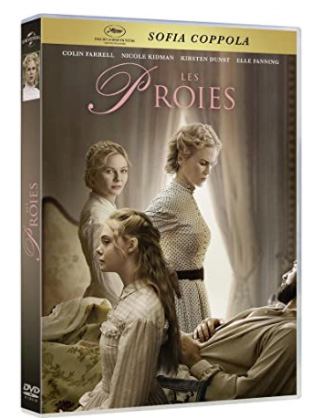
The Beguiled
Synopsis
Set during the American Civil War at an isolated girls' boarding school in Virginia, the students and teachers take in a wounded Union Army soldier found hiding in the woods. While the women nurse him back to health, his presence gradually stirs up repressed romantic tensions, jealousies, and fierce rivalries among the inhabitants. As romantic advances clash with mistrust and dark psychological manipulation, the fragile peace of the household shatters completely. This tense psychological southern gothic thriller explores desire, betrayal, and vengeance.
The Making of the Film
The concept for The Beguiled was adapted by writer-director Sofia Coppola from Thomas P. Cullinan's 1966 southern gothic novel, which was previously made into a 1971 film starring Clint Eastwood. Coppola wanted to retell the story specifically from the female perspective, flipping the original film's male gaze into a tense, atmospheric exploration of female agency, repression, and power dynamics. The production team drew inspiration from classic southern gothic literature, moody historical oil paintings, and civil war historical records. Coppola sought to create a visually lush, quiet, and suspenseful cinematic atmosphere.
Critical Reception
Professional critics gave overwhelmingly positive reviews to The Beguiled, praising Sofia Coppola's precise direction, gorgeous moody cinematography, and stellar lead performances by Nicole Kidman, Kirsten Dunst, and Colin Farrell. Reviewers lauded Coppola for successfully re-imagining the source material with a distinct feminist lens, emphasizing claustrophobic tension and subtle psychological manipulation over overt violence. The public response was modest at the box office, catering primarily to art-house and indie film audiences. Audiences appreciated the exquisite period costume design and gothic atmosphere. Sofia Coppola won the Best Director award at the Cannes Film Festival.
Filming Anecdotes
Director Sofia Coppola drew heavy inspiration from historical civil war photographs, southern gothic literature, and impressionistic art to establish the lush, isolated aesthetic. Production took place on location at a historic plantation estate outside New Orleans, enveloping the cast in authentic humid southern ambiance. During the filming of the tense dinner table and poisoning sequences, the cast maintained strict character isolation to heighten the on-screen paranoia. Before the final cast was chosen, Coppola tailored the specific character traits directly for her frequent collaborators Kirsten Dunst and Elle Fanning.
Main Themes
The film explores deep themes of sexual repression, gender power struggles, betrayal, jealousy, southern gothic isolation, and calculated female solidarity. It highlights how confined environments can turn polite social structures into ruthless survival games. Additionally, it examines the psychological horrors of war.
Ending Explanation
The climax resolves the escalating psychological warfare when the school headmistress and her students finally rid themselves of the manipulative soldier by feeding him poisoned mushrooms, amputating his infected leg, and dumping his lifeless body outside the front gates. Standing united on the front porch wrapped in white dresses as Confederate soldiers march past, the women lock eyes with quiet, cold solidarity and absolute control over their domain. The household returns to its eerie, isolated silence, forever changed by the dark ordeal. The film ends on a chilling, ambiguous note of female dominance.
Title Significance
The title refers to being charmed, deceived, or lured in under false pretenses ("beguiled"), perfectly capturing how the wounded soldier charms and manipulates the school women before facing their ultimate retaliation.
NULL
NULL
The Witch, Picnic at Hanging Rock, Saint Maud, The Others