

 Français
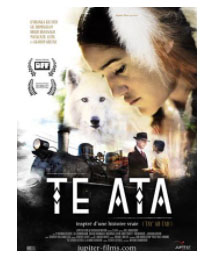
Te Ata
Synopsis
Chronicling the inspiring biographical life of Mary Thompson Fisher, a remarkably talented Chickasaw woman who rose from rural Indian Territory in the early 20th century to become one of America's greatest Native American performers, the historical drama follows her artistic journey. Adopting the stage name "Te Ata" (meaning "morning dew" in her ancestral tongue), she studied acting at the New York College of Music and traveled the world sharing traditional Chickasaw stories, songs, and tribal heritage. Breaking racial barriers, she performed for presidents, royalty, and elite audiences while championing indigenous cultural preservation. The biographical drama delivers inspiring cultural pride and historical grace.
The Making of the Film
Director Nathan Frankowski developed the biographical historical drama film in close collaboration with the Chickasaw Nation, honoring the legendary legacy of Mary Thompson Fisher (Te Ata). The inspiration stemmed from bringing the groundbreaking life of a pioneering Native American storyteller and cultural ambassador to the cinematic screen with absolute cultural authenticity. The production team invested heavily in authentic period costume design, historical Oklahoma location shoots, and traditional Chickasaw cultural consultation. The script was meticulously structured as an inspiring artistic journey.
Critical Reception
Professional critics gave generally positive reviews, praising Q'orianka Kilcher's luminous, captivating lead performance as Te Ata, gorgeous period production design, and its respectful cultural homage. Reviewers noted that Kilcher brought incredible emotional dignity and artistic grace to her portrayal of the legendary storyteller. Public reception was warmly enthusiastic across Native American film festivals and educational screenings, turning it into a beloved cultural touchstone. The film earned numerous independent film festival accolades.
Behind-the-Scenes Stories
Director Nathan Frankowski drew visual inspiration from early 20th-century historical archives, Native American art, and classical biographical cinema. Production took place on location across historic towns and natural landscapes in Oklahoma, utilizing authentic tribal artifacts and traditional regalia. During the filming of emotional storytelling and stage performance sequences, lead actress Q'orianka Kilcher underwent rigorous training in Chickasaw oral traditions. The Chickasaw Nation provided extensive cultural support on set.
Themes Explored
The themes explored include Native American cultural preservation, overcoming racial barriers, storytelling as art, biographical legacy, and Chickasaw heritage.
Ending Explained Ending Explained The triumphant historical climax shows an elderly Te Ata receiving highest cultural honors, celebrated globally for preserving indigenous heritage through the power of art.
Meaning of the TitleMeaning of the Title The title Te Ata refers directly to the protagonist's chosen stage name, meaning "morning dew" in the Chickasaw language, symbolizing fresh cultural dawn.
Original Soundtrack Paul Cardall composed a soaring, inspirational orchestral score featuring traditional Native American flute and string arrangements that anchored the cultural pride.
Similar Films First Cow, Dances with Wolves, Wind River