

 Français
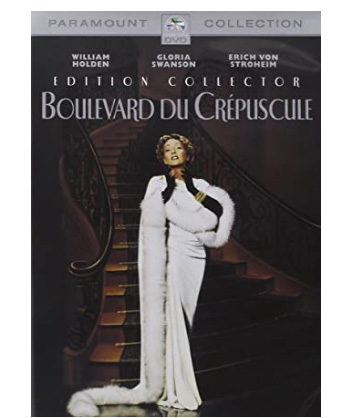
Sunset Boulevard
Synopsis
Joe Gillis is a cynical, struggling young Hollywood screenwriter drowning in debt who accidentally drives his flat tire into the driveway of a decaying, gothic mansion on Sunset Boulevard. The estate belongs to Norma Desmond, a wealthy, long-forgotten silent film star living in severe delusion with her loyal butler Max, dreaming of an improbable cinematic comeback. Hiring Joe to rewrite her unhinged, multi-thousand-page script about Salome, Norma draws the young writer into her suffocating web of romantic obsession and psychological isolation. As Joe tries to break free to pursue a younger romance, a tragic spiral of madness and murder unfolds.
The Making of the Film
Director and co-writer Billy Wilder conceived the dark satirical noir masterpiece after observing the forgotten mansions of former silent film stars in Los Angeles. Wilder collaborated with Charles Brackett and D.M. Marshman Jr. to craft a biting, uncompromising critique of Hollywood cruelty, vanity, and obsolescence. Paramount Pictures financed the risky production despite protests from studio heads.
Critical Reception
Critics universally acclaimed Sunset Boulevard upon its release, praising Billy Wilder razor-sharp direction, cynical screenplay, and powerhouse lead performances by Gloria Swanson and William Holden. Reviewers lauded the film for its bold, unflinching deconstruction of Hollywood myth-making and psychological horror. It is universally celebrated as an untouchable masterpiece of cinema.
Public reception was very strong, turning the cynical noir drama into a major box-office success and an enduring classic. Audiences were mesmerized by Gloria Swanson unforgettable portrayal of decaying stardom. Its cultural footprint is monumental.
The film earned eleven Academy Award nominations, winning three: Best Original Screenplay, Best Art Direction, and Best Original Score by Franz Waxman. Gloria Swanson and William Holden earned widespread Oscar nominations. Its legacy is immortal.
Behind-the-Scenes Stories
Director Billy Wilder drew inspiration from silent film history, gothic horror tropes, and cynical Hollywood noir traditions. He chose authentic Los Angeles boulevard locations and eerie studio soundstages to create a decaying gothic atmosphere. His direction pushed Gloria Swanson to channel genuine silent film acting styling.
Production went smoothly, though studio executives initially panicked over the dark subject matter, famously trying to prevent studio heads like Louis B. Mayer from seeing it. Gloria Swanson brought fierce personal history to her silent star role. William Holden delivered world-weary narration.
A memorable sequence involves Norma Desmond descending her grand staircase at the climax, believing cameras are rolling for her cinematic return while muttering I am ready for my close-up, Mr. DeMille. The scene is one of the most chilling conclusions in film history. Swanson performance anchored the madness.
The casting process was legendary as Billy Wilder pursued silent film icon Gloria Swanson, who initially resisted playing a washed-up star before embracing the iconic role. Montgomery Clift was originally cast as Joe Gillis before dropping out, leading Wilder to cast William Holden.
Themes Explored
The film explores Hollywood vanity, the cruelty of fame, obsolescence, psychological delusion, obsession, and murder. It satirizes how the entertainment industry discards its aging artists. Madness consumes broken dreams.
NULL
Meaning of the Title
The title refers directly to the famous Los Angeles boulevard lined with grand, decaying mansions where the delusional silent film star hides away from the modern world. It highlights the geographic heart of Hollywood heartbreak.
NULL
NULL
Similar Films
Other similar films include Mulholland Drive, All About Eve, and In a Lonely Place.