

 Français
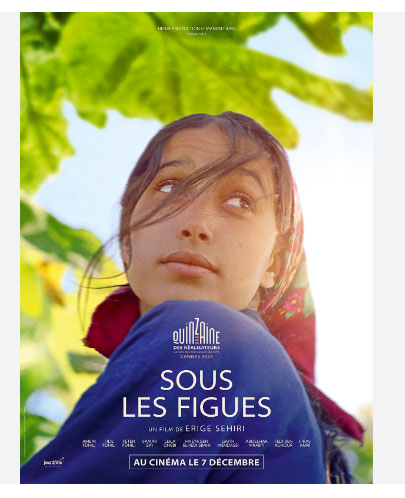
Under the Fig Trees
Synopsis
Set against the sun-drenched, rustic backdrop of rural Tunisia during the summer harvest, young agricultural workers spend their days picking figs in an expansive orchard. Amid the rustling leaves and heavy branches, friendships are forged, secret romances blossom, and generational tensions simmer between older traditional farmers and rebellious youth. As the hours tick by under the warm Mediterranean sun, the workers share intimate conversations about love, religion, bodily autonomy, and their uncertain futures. The orchard becomes a quiet microcosm of modern Tunisian society, capturing a delicate transitional moment for young women navigating traditional expectations.
The Making of the Film
Directed by Tunisian documentary filmmaker Erige Sehiri, this delicate narrative feature debut was conceived as a poetic exploration of labor, youth, and interpersonal dynamics in rural Tunisia. Sehiri chose to cast mostly non-professional actors—real agricultural workers and local villagers from the region—to imbue the performances with absolute authenticity and lived-in naturalism. The filmmakers wanted to capture the sensory texture of the fig harvest, utilizing natural sunlight and ambient field sounds to create an immersive cinematic environment. Principal photography took place entirely on location in a genuine northern Tunisian orchard over several weeks. The production prioritized an intimate, observational camera style that allowed real human emotions to unfold organically.
Critical Reception
Critics hailed the film as a masterclass in naturalistic art-house cinema, praising its profound emotional empathy, delicate visual poetry, and authentic performances from its non-professional cast. Reviewers highlighted how Erige Sehiri transformed a simple day of fruit picking into a rich, complex tapestry of feminist awakening, labor struggles, and generational dialogue. The sun-drenched cinematography and immersive sound design received widespread international acclaim at major European and Arab film festivals. Many commentators noted its refreshing departure from traditional melodramatic tropes.
Audiences across international film festival circuits and arthouse cinemas embraced the film's gentle humanism and rich cultural observations. Viewers were deeply moved by the intimate, unhurried conversations shared by the young women beneath the canopy. Fan communities and film scholars praised the director's respectful, dignified portrayal of rural Tunisian working class youth. The poetic cadence left lasting emotional impressions on festivalgoers.
At the Cannes Film Festival, the film premiered to widespread critical acclaim in the Directors' Fortnight section, winning the prestigious Ecumenical Jury Prize. It went on to screen at numerous international festivals, winning top honors including the Tanit d'Or at the Carthage Film Festival. Tunisia officially selected the film as its entry for Best International Feature Film at the Academy Awards. Critics' circles worldwide celebrated it as a radiant triumph of contemporary Mediterranean cinema.
Behind-the-Scenes Stories
Director Erige Sehiri spent months living and working alongside real agricultural laborers in rural Tunisia before writing the script, observing their daily rhythms, humor, and quiet frustrations. She deliberately avoided using a rigid, traditional script for the non-professional actors, instead encouraging them to draw from their own personal life experiences and improvise dialogue based on thematic prompts. This unorthodox rehearsal method allowed the onscreen relationships to develop with genuine spontaneity.
Production faced unique logistical hurdles shooting in outdoor orchards during peak summer heatwaves, requiring careful scheduling to protect equipment and ensure the cast's physical comfort. The sound design team deployed hidden wireless microphones throughout the fig branches to capture the rustling leaves, buzzing insects, and whispered confessions with pristine clarity. Natural sunlight dictated every setup, with cinematographers utilizing soft diffusion screens to manage harsh Mediterranean glares.
During the filming of a pivotal group lunch break beneath the shade of an ancient tree, a sudden swarm of bees temporarily interrupted the scene, leading to a charming unscripted laugh that the director kept in the final cut. The prop department provided traditional harvesting baskets and canvas cloth bags. Wardrobe stylists selected faded, sun-bleached clothing to reflect the harsh working-class realities of orchard labor.
Casting non-professional actors discovered through local community outreach brought raw, unfiltered authenticity to every character. Feda Fatnassi and Ameni Fdhli anchored the ensemble with poignant, understated emotional grace. The older supporting actors lent generational wisdom and natural authority to the orchard dynamics.
Themes Explored
Feminism, bodily autonomy, and the struggle for personal freedom within traditional patriarchal societies form the central thematic pillars of the narrative. Generational divides between older rural laborers and ambitious youth negotiating modern desires are explored in depth. Class struggle, economic exploitation, and the dignity of agricultural labor highlight the socio-economic realities of rural Tunisia. Additionally, solidarity among working women provides a powerful emotional anchor.
Ending Explained
As the summer fig harvest finally draws to a close at dusk, the weary workers pack their baskets and prepare to leave the orchard, having shared deeply transformative conversations that have forever altered their perspectives. While no grand, unrealistic life transformations occur, each young woman walks away with a quiet, strengthened sense of self-worth and solidarity with her peers. The final lingering shots of the silent fig trees bathed in the golden twilight symbolize endurance and the cyclical nature of life. The poignant conclusion leaves the characters stepping into their uncertain futures with renewed inner resilience.
Meaning of the Title
Refers literally to the physical setting where the entire narrative unfolds—beneath the protective canopy of fruit-laden fig trees in rural Tunisia.
Similar Films
12 Years a Slave, Nomadland, The Olive Trees of Justice, Capernaum, Atlantics.