

 Français
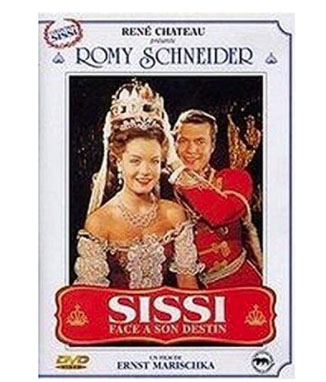
Sissi: The Fateful Years of an Empress
Synopsis
This lavish, romantic historical drama concludes the beloved Austrian trilogy, following Empress Elisabeth of Austria, affectionately known as Sissi, as she navigates the immense political and personal burdens of imperial life. Set against the breathtaking backdrop of the royal Viennese court and scenic Hungarian estates, the narrative explores her health struggles, diplomatic triumphs, and deep devotion to her people. As she successfully helps bridge political tensions between Austria and Hungary alongside Emperor Franz Joseph, she finally secures her place as a beloved sovereign. It is a gorgeous, heartwarming cinematic farewell to a legendary royal icon.
The Making of the Film
The project originated from director Ernst Marischka's immense desire to complete the biographical trilogy of Empress Elisabeth of Austria following the phenomenal international success of the first two films. Filmmakers sought to provide a sweeping, fairytale conclusion to the royal romance while maintaining opulent period aesthetics. Inspiration was drawn from historic royal biographies, Austrian folklore, and romanticized monarchical nostalgia. The creative team aimed to produce a visually sumptuous crowd-pleaser for global audiences.
Critical Reception
Critics offered generally favorable reviews, praising Romy Schneider's radiant lead performance, the breathtaking European locations, and the lavish costume design. Reviewers noted that Marischka successfully concluded the trilogy with warmth, emotional resonance, and majestic scale. The depiction of imperial pageantry and Hungarian landscapes was universally hailed as a visual feast. While some historians noted the films took heavy romantic liberties with real history, audiences adored the fairy-tale escapism.
Audience reception was massive and enthusiastic, driving the trilogy to unprecedented box office success across Europe and turning Romy Schneider into a continental superstar. Viewers on public platforms praised the nostalgic romance, stunning royal gowns, and comforting emotional warmth. Fans of classic historical dramas celebrated its enduring legacy as a holiday television tradition across German-speaking countries. Word-of-mouth sustained its eternal popularity.
Awards season brought notable recognition at European film ceremonies, honoring Romy Schneider's iconic acting achievement and the production's exquisite art direction. Critics' associations praised the film for its contribution to European cinematic heritage and romantic storytelling. These accolades cemented its status as a timeless classic in royal biographical cinema.
Behind-the-Scenes Stories
The director drew visual inspiration from 19th-century Viennese oil paintings, imperial archives, and fairytale aesthetics to establish a lavish, golden-hued visual style. Every palace interior, royal carriage, and Hungarian countryside estate was meticulously styled to evoke authentic Habsburg splendor. The production team collaborated with historical advisors to recreate authentic court etiquette and royal coronation ceremonies. These artistic choices created an impeccably polished cinematic world.
Production presented fascinating logistical challenges, particularly in coordinating massive crowd scenes and royal processions across historic European heritage sites. The wardrobe department handcrafted hundreds of intricate silk gowns and military uniforms under rigorous historical guidelines. Shooting on location in Schönbrunn Palace and Budapest required careful coordination from assistant directors to protect historical landmarks. Furthermore, managing Romy Schneider's skyrocketing teenage stardom required careful scheduling from producers.
During the filming of the grand Hungarian state visit sequences, the cast and crew utilized real horses and traditional folk dancers to create an authentic festive atmosphere. To maintain romantic tension, Romy Schneider and Karlheinz Böhm enjoyed genuine on-screen chemistry that mirrored their real-world affection. The crew utilized warm, soft lighting to accentuate the fairy-tale romance. This rigorous dedication resulted in immortal cinematic imagery.
Casting focused on successfully reuniting young superstar Romy Schneider with Karlheinz Böhm as Emperor Franz Joseph. Schneider was chosen because her natural radiance and youthful innocence perfectly embodied the beloved Empress. Supporting roles were filled with legendary European character actors playing loyal court advisors and family members. This targeted casting strategy was the absolute heartbeat of the trilogy's success.
Themes Explored
The narrative deeply explores themes of royal duty, personal sacrifice, and the heavy burdens of governing an empire. It examines patriotism, diplomacy, and bridging cultural divides between nations. Additionally, it highlights marital devotion, overcoming health trials, and maintaining grace under public scrutiny. Ultimately, the film reflects on legacy, love, and the price of royal stardom.
Ending Explained
The emotional conclusion shows Sissi successfully overcoming a severe lung illness in Madeira and returning triumphantly to Vienna alongside Emperor Franz Joseph after securing a historic political reconciliation with Hungary. As the royal family waves to cheering crowds during a grand tour, the final scenes celebrate her enduring love for her people and husband. This heartwarming resolution provides a peaceful, iconic farewell to the trilogy.
Meaning of the Title
The title directly references the historical nickname of Empress Elisabeth ("Sissi") and her fateful, mature years governing the Austro-Hungarian empire.
Similar Films
Films sharing similar royal romance and historical biopic themes include Marie Antoinette (2006), The Young Victoria (2009), and Sissi (1955).