

 Français
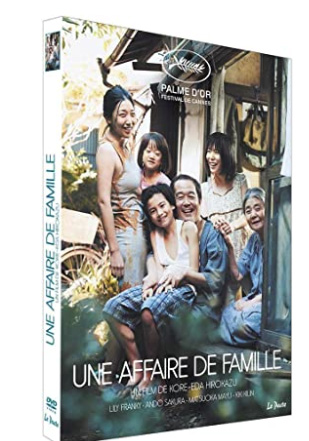
Shoplifters
Synopsis
Set in the cramped alleyways of Tokyo, a struggling blue-collar working-class family supplements their meager wages and pensions by petty shoplifting in local convenience stores and supermarkets. One cold evening, the patriarch of the family discovers a shivering, abused young homeless girl locked on a balcony and impulsively decides to take her home, raising her as one of their own despite their poverty. As hidden secrets, police investigations, and domestic tensions begin to surface, the true nature of their bonds is tested. This profoundly moving Japanese drama explores poverty, unconventional family bonds, and societal empathy.
The Making of the Film
Writer and director Hirokazu Kore-eda conceived the deeply human drama inspired by real-life Japanese news reports regarding families living off pensions while committing petty welfare fraud and shoplifting out of desperation. Kore-eda wanted to examine what truly defines a family—blood ties or shared love and survival. Aoi Promotion backed the independent Japanese production. The project was designed as a compassionate, unvarnished look at marginalized urban life.
Critical Reception
Professional critics showered the film with widespread universal critical acclaim, praising its gentle humanism, nuanced performances, naturalistic direction, and profound moral complexity. Reviewers lauded Kore-eda for avoiding sentimental melodrama, presenting instead an honest, tender portrait of society's forgotten outcasts. It won the prestigious Palme d'Or at the Cannes Film Festival.
Public reception was a phenomenal global box office and art-house triumph, captivating international audiences and earning widespread emotional praise. Viewers were moved by the warmth and heartbreaking reality of the unconventional household. It cemented its status as a contemporary masterwork of world cinema.
Awards and recognition included winning the Palme d'Or at the 2018 Cannes Film Festival and an Academy Award nomination for Best Foreign Language Film. Lily Franky and Sakura Ando earned global critical acclaim. The film remains celebrated as a masterpiece of modern drama.
Behind-the-Scenes Stories
- Inspirations: The director drew inspiration from real-life Japanese poverty reports, classical Japanese domestic dramas, and neo-realist cinema traditions.
- Difficulties: Production challenges included working within a tight independent budget and capturing naturalistic performances from both veteran actors and young child performers in cramped Tokyo apartment sets.
- Anecdote: A memorable anecdote involves director Hirokazu Kore-eda deliberately withholding the script from the young child actors on set, feeding them their lines day-by-day to capture genuine, unscripted reactions of surprise and wonder. Veteran actress Kirin Kiki brought heartbreaking wisdom to her final major film role. The cast shared a deeply tender familial bond.
- Casting: The casting process secured legendary Japanese actor Lily Franky, Sakura Ando, Mayu Matsuoka, and veteran icon Kirin Kiki, alongside child actors Jyo Kairi and Miyu Sasaki. The ensemble chemistry drove the emotional core.
Themes Explored
The themes explored include unconventional family bonds, poverty, societal abandonment, morality, and unconditional love. The story examines how people rejected by society can forge deeper, more genuine family ties than biological relatives. It also highlights child welfare.
Ending Explained
The ending reveals that the family's clandestine lifestyle is shattered when the authorities discover the young girl, leading to police interrogations that expose the family members as unrelated individuals who voluntarily took each other in to escape loneliness and abuse. While the adults face legal consequences and the children are placed into institutional care, the young girl is eventually returned to her neglectful biological parents, looking back longingly toward the alleyways where she experienced true love. The film concludes on a heartbreaking, poignant note.
Meaning of the Title
The title 'Shoplifters' refers directly to the petty illegal survival tactic employed by the impoverished household to supplement their food and goods, serving as a metaphor for their marginal status in society. It is stark and grounded. The name sets a humanistic-drama tone.
Original Soundtrack
Featuring a delicate, emotional acoustic musical score composed by Haruomi Hosono, the sonic landscape emphasizes gentle domestic warmth and quiet melancholy.
The film is celebrated globally as a masterwork of contemporary world cinema, frequently analyzed in film schools for its peerless humanism and direction.
Nobody Knows, Capernaum, The Florida Project, Tokyo Sonata