

 Français
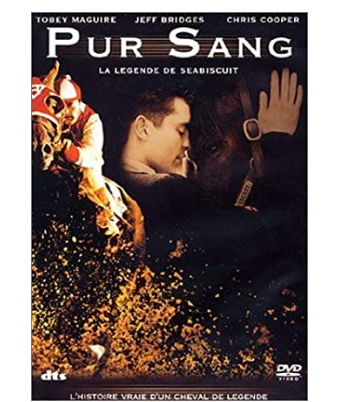
Seabiscuit
Synopsis
Set against the backdrop of the Great Depression, the inspiring biographical drama chronicles the miraculous rise of Seabiscuit, an undersized, knobby-kneed racehorse who captured the hearts of the American public. Joined by a similarly broken-down team—a cynical trainer, a half-blind jockey, and a grieving millionaire owner—the horse goes from a beaten-down loser to a national racing icon. Their collective underdog journey provides much-needed hope and distraction to millions struggling through economic hardship. His legendary rivalry with Triple Crown winner War Admiral becomes a defining cultural moment.
The Making of the Film
Director Gary Ross adapted Laura Hillenbrand's bestselling non-fiction book, striving to capture the sprawling socio-economic tapestry of 1930s America alongside the racing drama. Producers invested heavily in period-accurate race tracks, vintage automobiles, and Depression-era clothing to recreate historical reality. The production utilized innovative camera rigs to capture high-speed racing sequences from the subjective perspective of the jockeys. Tobey Maguire, Jeff Bridges, and Chris Cooper were cast as the core human trio, delivering grounded, understated performances. The project was backed by Universal Pictures as a major prestige historical epic.
Critical Reception
Critics showered the film with universal acclaim, praising its rich storytelling, magnificent cinematography, and emotional resonance. Reviewers highlighted how the film successfully intertwined a sports underdog tale with a profound historical exploration of the American spirit during hard times. Audiences embraced the movie, turning it into a major box-office success and cultural touchstone. It earned seven Academy Award nominations, including Best Picture. It remains widely regarded as one of the finest sports films ever produced.
Behind-the-Scenes Stories
Gary Ross drew visual inspiration from Depression-era Dorothea Lange photography and archival newsreels to establish the gritty, dusty aesthetic of the 1930s. Tobey Maguire underwent intensive weight management and horse-riding training to authentically portray jockey Red Pollard, performing many high-speed racing scenes himself. Multiple horses were used to portray Seabiscuit, each trained for specific running styles and cinematic behaviors. Real-life racing announcer Tom Durkin provided historical voiceover commentary during major race sequences.
Themes Explored
The narrative explores economic hardship, physical rehabilitation, second chances, and the healing power of shared national hope. It examines how broken individuals—both human and animal—can find mutual redemption through perseverance. Furthermore, it highlights the unifying power of sports during times of crisis.
Ending Explained
Seabiscuit triumphs over War Admiral in their historic match race before staging a miraculous comeback victory in the Santa Anita Handicap following severe injuries to both horse and jockey. The final cinematic moments celebrate the enduring legacy of a legendary racehorse who united a struggling nation. A warm, triumphant sense of closure completes the journey.
Meaning of the Title
The title refers to the name of the legendary racehorse, symbolizing an unconventional, unassuming champion who rose from humble scraps to greatness.
Other sweeping historical sports dramas such as Cinderella Man, Chariots of Fire, and The Hurricane.