

 Français
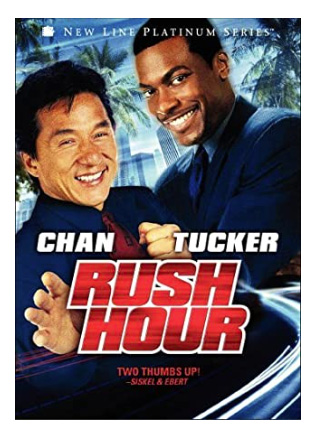
Rush Hour
Synopsis
When the daughter of a Chinese diplomat is kidnapped in Los Angeles, the FBI reluctantly agrees to work with Hong Kong police inspector Lee. Detective James Carter is assigned to keep Lee occupied, hoping to prevent him from interfering with the investigation. However, Carter soon discovers that Lee is far more capable than he initially expected. Despite their cultural differences and constant disagreements, the two detectives begin working together to uncover the kidnapping conspiracy. Their investigation leads them into a dangerous confrontation with criminals connected to the diplomatic family.
The The Making of the Film
The project was developed as an action comedy built around the contrast between two detectives from different cultural backgrounds. Screenwriter Ross LaManna created the central premise, while director Brett Ratner was selected to bring the story to the screen. Jackie Chan was chosen for his internationally recognised martial arts abilities and his distinctive approach to physical comedy. Chris Tucker was cast as James Carter, a fast-talking American detective whose personality would contrast sharply with Lee's disciplined behaviour. The filmmakers wanted to combine the traditions of Hong Kong action cinema with the familiar Hollywood buddy-cop formula. Their central idea was to make cultural misunderstandings a source of humour while allowing both characters to demonstrate their strengths. The kidnapping of a diplomat's daughter provided a clear dramatic objective around which the comedy and action could develop. The film also offered Jackie Chan an opportunity to reach a wider American audience. Its success ultimately established a commercially successful franchise.
Critical Reception and Audience Response
Professional Critical Reviews: The film received generally positive reviews from critics, particularly for the chemistry between Jackie Chan and Chris Tucker. Many reviewers praised Chan's ability to combine technically impressive martial arts with physical comedy. Tucker's energetic dialogue and comic timing were also considered major strengths. Critics appreciated the film's accessible action sequences and its willingness to embrace the differences between the two leading characters. Some reviewers considered the plot relatively conventional, but most recognised its effectiveness as mainstream entertainment.
Audience Reception: The film became a considerable commercial success and attracted a broad international audience. Viewers enjoyed the unusual partnership between the disciplined Hong Kong inspector and the impulsive American detective. Its action sequences, memorable dialogue and comic misunderstandings helped it become a popular entertainment film. The relationship between the two characters proved sufficiently appealing to justify two subsequent sequels. Jackie Chan also gained additional recognition among American audiences, strengthening his international career.
Awards and Recognition: The film received several nominations and industry recognitions, particularly for its performances and musical contributions. It was recognised during the 1999 MTV Movie Awards, where the chemistry and comic interaction between the leads attracted attention. The production also received recognition for its soundtrack and popular entertainment value. Although it was not a major critical awards contender, its commercial success made it one of the best-known action comedies of its period.
Behind-the-Scenes Anecdotes
Director's Inspirations: Brett Ratner wanted to create a modern buddy-cop comedy inspired by the tradition of action films featuring mismatched partners. Jackie Chan's Hong Kong cinema background provided the foundation for the film's elaborate physical comedy. The director also recognised that Chris Tucker's rapid-fire dialogue would provide an ideal contrast with Chan's more physical style. The cultural differences between the characters were deliberately incorporated into the screenplay to generate humour without removing the underlying respect between them.
Production Challenges: One of the main challenges was adapting Jackie Chan's style of action choreography to the American studio production environment. His sequences required extensive rehearsal and careful coordination with stunt performers. Chris Tucker's improvisational tendencies also required flexibility in the filming schedule. The production needed to balance physical action with dialogue-driven comedy while maintaining a coherent narrative. Coordinating the two different performance styles was essential to the film's success.
A Memorable Scene: The famous fight sequence involving objects in a crowded location demonstrates Jackie Chan's ability to turn everyday surroundings into part of the choreography. Instead of relying exclusively on conventional fighting techniques, he uses furniture, environmental objects and comic timing to defeat opponents. Carter's reactions create an additional layer of humour. The scene illustrates the central appeal of the film: action and comedy are designed to work together rather than compete with each other.
Originally Considered Casting: Jackie Chan was selected to play Inspector Lee, while Chris Tucker was cast as Detective Carter. Tom Wilkinson was chosen for the role of Griffin, the antagonist behind the kidnapping conspiracy. Tzi Ma played the Chinese consul, and Julia Schultz appeared as the diplomat's daughter. The pairing of Chan and Tucker was the production's most important casting decision because the entire concept depended on their contrasting screen personalities.
Themes Explored
The film explores friendship across cultural and national boundaries. Lee and Carter initially distrust each other because of their different personalities and professional methods. Their relationship gradually develops into mutual respect as they recognise each other's abilities. The story also examines the importance of family and the emotional consequences of kidnapping. Loyalty and professional responsibility become important as the detectives attempt to protect an innocent child. Cultural differences provide comedy while encouraging the characters to reconsider their assumptions. Courage and cooperation are presented as essential qualities in the pursuit of justice. Ultimately, the film celebrates the idea that genuine friendship can emerge between people who initially seem completely incompatible.
Explanation of the Ending
The investigation eventually reveals the identity and motives of the criminals responsible for the kidnapping. Lee and Carter manage to locate the kidnapped girl and confront the people behind the conspiracy. Their combined skills prove more effective than the individual strategies initially favoured by the FBI and local police. Lee demonstrates his martial arts abilities, while Carter uses his street knowledge and improvisational instincts. The girl is rescued and the criminal organisation is defeated. Their successful partnership also changes the way the two detectives perceive each other. Carter develops genuine respect for Lee, while Lee recognises the value of Carter's unconventional methods. The conclusion establishes the friendship that becomes the foundation of the subsequent films.
Meaning of the Title
The title Rush Hour refers to the crowded and chaotic periods of daily urban traffic. It also works metaphorically, describing the urgency and confusion surrounding the kidnapping investigation. The two detectives are constantly moving between locations, confrontations and unexpected situations. The expression also reflects the fast-paced rhythm of the comedy and action sequences. Its simplicity makes it memorable and gives the film a title that fits both its urban setting and its energetic storytelling.
Original Soundtrack
The original score was composed by Lalo Schifrin, a highly respected composer with extensive experience in action and crime cinema. His music combines orchestral action writing with energetic rhythms that reinforce the film's comic atmosphere. The score supports the physical sequences without overshadowing Jackie Chan's choreography. It also helps establish the international atmosphere of the story. The soundtrack contributes to the balance between suspense, humour and action that defines the film.
Similar Films
Rush Hour 2 (2001): The direct sequel, continuing the adventures of Carter and Lee.
Rush Hour 3 (2007): The third film in the series, taking the detectives to Paris.
Shanghai Noon (2000): A martial arts comedy featuring an unlikely partnership between two very different characters.
Lethal Weapon (1987): A classic buddy-cop film combining action, humour and contrasting personalities.
Bad Boys (1995): An action comedy about two detectives whose friendship is tested by dangerous investigations.