

 Français
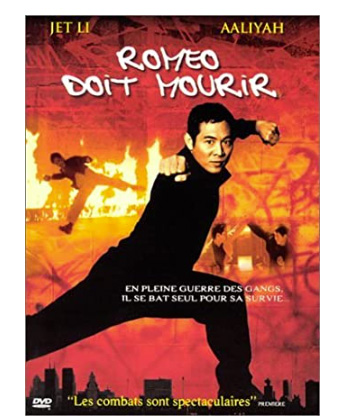
Romeo Must Die
Synopsis
In Oakland, California, tensions between two rival criminal families threaten to erupt into open warfare. Han Sing, a former police officer imprisoned in Hong Kong, escapes after learning that his brother has been murdered. He travels to America to discover who was responsible and becomes involved with Trish O'Day, the daughter of the rival family's leader. Although their families are enemies, Han and Trish gradually develop a relationship based on trust and mutual understanding. Together, they investigate the circumstances surrounding the violence and uncover a larger conspiracy involving money, property, and betrayal. Their search brings them into direct conflict with powerful criminals who are determined to protect their interests.
The Film's Origins
Romeo Must Die was developed as a modern action interpretation of the Romeo and Juliet story, combining romantic conflict with martial arts cinema. The project was produced by Joel Silver, a filmmaker known for several major action productions. Its screenplay was developed by Eric Bernt and John Jarrell from a story by Mitchell Kapner. The filmmakers wanted to create an action vehicle that would introduce Jet Li to a broader American audience. The casting of R&B singer Aaliyah as Trish O'Day added a musical dimension and helped distinguish the production from traditional martial arts films. Director Andrzej Bartkowiak brought considerable experience as a cinematographer to the project. The film also combined Hong Kong-style action choreography with American crime-drama conventions. Its release in 2000 helped establish Jet Li as a major international action star.
Critical Reception
Professional Reviews: Critics gave Romeo Must Die mixed reviews, with particular praise for Jet Li's physical performance and the action choreography. The combination of martial arts and modern crime drama attracted attention. Aaliyah also received recognition for her screen presence and the chemistry she developed with Li. Some reviewers considered the romantic storyline underdeveloped and the screenplay overly familiar. Others criticized certain visual effects used to illustrate the physical impact of the fights. Nevertheless, the film's action sequences and energetic presentation were generally recognized as its strongest elements.
Audience Reception: The film achieved commercial success and attracted a broad audience interested in martial arts and action entertainment. Jet Li's American breakthrough helped generate interest in subsequent international productions. Aaliyah's involvement also attracted fans of her music. The combination of action, romance, and hip-hop culture gave the production a distinctive identity. Its popularity contributed to the growing presence of martial arts stars in Hollywood action cinema during the early 2000s.
Awards and Recognition: Romeo Must Die received attention for its soundtrack and musical contributions. Aaliyah and the production were associated with several music-related nominations and honors during the film's release period. The soundtrack attracted particular interest because it combined contemporary R&B and hip-hop performers. Although the film did not become a major recipient of traditional film awards, it achieved considerable commercial visibility. Its cultural significance is closely connected to the international careers of Jet Li and Aaliyah.
Behind-the-Scenes Stories
Director's Inspirations: Andrzej Bartkowiak approached the project with the intention of combining the visual excitement of Hong Kong action cinema with Hollywood storytelling. His experience as a cinematographer influenced the film's use of movement, framing, and dynamic action sequences. The Romeo and Juliet inspiration provided a familiar emotional structure involving two rival families. The director wanted to present Jet Li in a contemporary urban environment rather than a traditional historical martial arts setting. The combination of romance, crime, and spectacular fighting became the defining feature of the production.
Production Challenges: The action sequences required extensive coordination between Jet Li, stunt performers, and the cinematography team. The production also had to combine traditional martial arts choreography with visual techniques designed for an American audience. Several sequences involved wire work and digital effects to emphasize the physical impact of the fights. Filming in urban environments required careful management of locations and large action setups. The production also needed to balance the musical elements associated with Aaliyah's presence with the more traditional action storyline.
Memorable Scene: The film's fight sequences are among its most recognizable elements, particularly the encounters in which Han uses his martial arts skills against groups of armed opponents. The choreography combines rapid strikes, acrobatic movements, and creative use of the surrounding environment. Some sequences employ stylized visual effects to illustrate the impact of the fighting techniques. The confrontation between Han and the principal antagonists provides the film with its action-driven climax. These moments helped establish Jet Li's appeal to American audiences.
Originally Considered Casting: Jet Li was selected to play Han Sing as the central martial arts attraction of the project. Aaliyah was cast as Trish O'Day, providing both acting and musical appeal. Isaiah Washington and Russell Wong played important members of the rival families. Delroy Lindo and Henry O became additional central figures in the story. The production brought together performers from different cinematic backgrounds to create an international action ensemble. There is no sufficiently documented complete list of alternative casting choices for the principal characters.
Themes Explored
Romeo Must Die explores family loyalty, revenge, racial tension, corruption, love, and the destructive consequences of organized crime. Its central relationship reflects the classic conflict between two families whose hostility prevents younger generations from making independent choices. Han and Trish attempt to understand one another despite the history of violence surrounding them. The film also examines the influence of money and property on criminal behavior. Both families are presented as organizations in which loyalty can become an excuse for exploitation and abuse. Han's search for the truth gradually transforms his desire for revenge into a broader fight against corruption. Trish represents the possibility of breaking away from inherited hatred. The story suggests that personal relationships can challenge divisions created by family history and social circumstances.
Ending Explained
The final confrontation exposes the real motivations behind the violence affecting the two families. Han and Trish discover that the conflict has been manipulated by individuals seeking financial and criminal advantages. Their investigation reveals that the murder of Han's brother was connected to a broader conspiracy. Han must confront the people responsible while deciding whether revenge is more important than exposing the truth. The final battle resolves the immediate threat and allows the surviving characters to begin considering a different future. The relationship between Han and Trish also represents a possible break with the hostility inherited from their families. The conclusion therefore echoes the original Romeo and Juliet story while offering a more action-oriented resolution. Unlike the Shakespearean tragedy, the film leaves room for reconciliation and a new beginning.
Meaning of the Title
The title Romeo Must Die refers to the central conflict between two rival families and the romantic relationship developing between their children. It deliberately recalls William Shakespeare's Romeo and Juliet, a tragedy built around love obstructed by family hatred. The word must creates a threatening sense of inevitability, suggesting that violence has become an expected consequence of the conflict. The title also reflects the criminal world in which the characters live, where individuals are often judged according to family allegiance rather than personal identity. It establishes the film's connection to the Shakespearean tradition while announcing its more violent contemporary interpretation.
Original Soundtrack
The soundtrack is an important part of Romeo Must Die's identity and features a combination of hip-hop and contemporary R&B. Its most recognizable song is Try Again, performed by Aaliyah and produced by Timbaland. The track became a major commercial success and was strongly associated with the film. Other contributions come from artists connected to the early-2000s R&B and hip-hop scene. Stanley Clarke also contributed to the film's musical identity. The soundtrack helped connect the martial arts action with contemporary urban culture and became one of the production's most commercially recognizable elements.
Similar Movies
Films with comparable action and romantic themes include Enter the Dragon, which combines martial arts with a criminal conspiracy. The Forbidden Kingdom explores the meeting of different martial arts traditions through a contemporary adventure. Kiss of the Dragon features Jet Li in another American action production centered on corruption and revenge. West Side Story offers another interpretation of the Romeo and Juliet conflict involving rival groups and forbidden love. Fist of Legend showcases Jet Li's martial arts abilities in a more traditional setting. These films share elements of action, cultural conflict, and personal loyalty.