

 Français
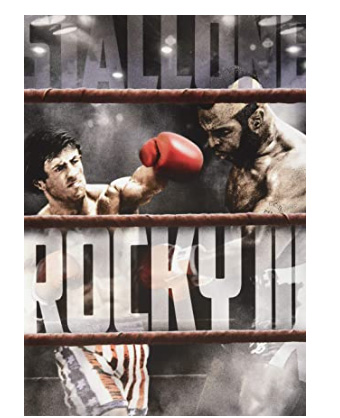
Rocky III
Synopsis
After becoming world heavyweight champion, Rocky Balboa enjoys fame, wealth and a comfortable lifestyle. However, his success gradually makes him less prepared for the brutal challenges of professional boxing. A powerful and aggressive contender named Clubber Lang emerges and publicly challenges Rocky for the title. Their first fight ends in disaster for Rocky, who loses both the championship and his confidence. With the help of Apollo Creed, he must rediscover the hunger and determination that once made him a formidable fighter. His journey becomes a struggle against fear, complacency and the loss of his former identity.
The Film's Origins
Rocky III was written and directed by Sylvester Stallone, who wanted to explore the psychological consequences of becoming a successful champion. After the struggles depicted in the first two films, Rocky is now wealthy and internationally recognized. Stallone was interested in showing how comfort and celebrity can weaken the qualities that originally made a person successful. The screenplay introduces Clubber Lang as a powerful opponent who represents hunger, aggression and ambition without restraint. Apollo Creed also becomes an important part of the story, moving from rival to mentor. This change allows the film to explore an unexpected friendship between two former opponents. The production was influenced by the growing popularity of action-oriented sports entertainment during the early 1980s. Stallone wanted the film to be faster and more spectacular while retaining the emotional foundations of the franchise. The screenplay was an original continuation of Rocky Balboa's fictional life. Its central conflict concerns the difference between being a champion and possessing the mentality necessary to remain one.
Critical Reception
Rocky III received mixed to generally positive reviews from professional critics. Many appreciated the increased energy, entertaining boxing sequences and the introduction of Mr. T as Clubber Lang. The performances of Stallone and Carl Weathers were also praised for their chemistry. Some critics felt that the film was less emotionally subtle than the original and relied more heavily on action and spectacle. Nevertheless, its accessible story and memorable characters helped maintain the franchise's popularity.
The film became a major box-office success, earning approximately 270 million dollars worldwide. Audiences responded enthusiastically to the confrontation between Rocky and Clubber Lang. The introduction of Thunderlips, played by Hulk Hogan, also attracted attention. The film's energetic tone and popular soundtrack made it particularly memorable. Its commercial performance confirmed that the Rocky franchise remained one of Hollywood's most successful sporting properties.
Rocky III received several award nominations, particularly for its music. Eye of the Tiger by Survivor became one of the most successful songs associated with a sports film. It received an Academy Award nomination for Best Original Song and won a Grammy Award. The film also received recognition from popular entertainment organizations. Its cultural impact remains considerable, especially because of its music and iconic training imagery.
Behind-the-Scenes Stories
Sylvester Stallone wanted to explore the dangers of success and the loss of motivation that can follow years of achievement. He imagined Rocky as a champion who had gradually become comfortable and dependent on his celebrity status. Clubber Lang was designed as the opposite: an aggressive fighter driven by hunger and resentment. Apollo Creed's new role as Rocky's trainer introduces a different emotional dimension to the series.
The production involved an extensive physical preparation program for the actors. Stallone trained intensively to maintain his athletic appearance, while Mr. T also underwent demanding boxing preparation. The fight sequences required careful choreography and repeated rehearsals. The production also used larger arenas and more elaborate sporting environments than the earlier films.
One of the most famous elements of the film is the training sequence accompanied by Eye of the Tiger. The song was created by Survivor after Stallone approached the band with the idea of producing a powerful musical theme for the film. The track became closely associated with Rocky's determination and remains one of the most recognizable sports songs in cinema history. Its title and chorus reinforce the idea of recovering the instinct and focus required to succeed.
Mr. T was selected to play Clubber Lang after attracting attention through his physical presence and distinctive personality. Hulk Hogan was also cast as the wrestling champion Thunderlips. Carl Weathers returned as Apollo Creed, whose character develops significantly in this installment. Talia Shire, Burt Young and Burgess Meredith also reprised their roles. The combination of returning performers and new opponents gave the film a different energy.
Themes Explored
Rocky III examines the dangers of complacency and the psychological cost of success. Rocky has become wealthy and famous, but his comfortable lifestyle has weakened his competitive instincts. Clubber Lang represents the hunger and aggression that Rocky has gradually lost. The film explores the importance of remembering one's origins and maintaining discipline even after achieving recognition. Friendship and mentorship are central through Apollo Creed's transformation from rival into coach. Their relationship demonstrates that respect can develop between former enemies. The story also examines fear, particularly Rocky's difficulty confronting the memory of his defeat and Mickey's declining health. The importance of emotional resilience becomes as significant as physical strength. The film contrasts superficial celebrity with genuine personal achievement. It also explores the idea that a champion must constantly renew his motivation. Ultimately, Rocky III suggests that success depends not only on talent but also on the ability to preserve determination when circumstances become comfortable.
Ending Explained
The final confrontation between Rocky and Clubber Lang takes place after Rocky has rediscovered his motivation and confidence. Unlike their first fight, Rocky no longer relies exclusively on physical strength. He uses movement, strategy and psychological tactics to exhaust his opponent. Clubber becomes increasingly frustrated because Rocky refuses to engage in the predictable exchange of punches that he expects. The champion eventually defeats Lang and regains his position as a formidable fighter. The final scene then shifts to a private gym where Rocky and Apollo prepare for a friendly confrontation. Their relationship has changed from rivalry to mutual respect and friendship. The fight takes place away from the public and the media, emphasizing the personal nature of their challenge. The ending deliberately leaves the result unknown. This ambiguity suggests that the value of their relationship matters more than determining which man is the better boxer. It also prepares the audience for Rocky IV, in which Apollo's fate will have profound consequences for the protagonist.
Meaning of the Title
The title Rocky III continues the numbered naming convention of the franchise. It emphasizes the third stage of Rocky Balboa's personal and sporting journey. This installment focuses on the difficulties of maintaining success after becoming a champion. The title also distinguishes the film from its predecessors while preserving the identity of the central character. Rocky remains the defining figure, even as new rivals and relationships transform his world. The simplicity of the title reflects the continuing importance of the character rather than the individual boxing matches.
Original Soundtrack
Rocky III features one of the most recognizable soundtracks in sports-film history. The central song is Eye of the Tiger, performed by Survivor and written by Jim Peterik and Frankie Sullivan. The track was created specifically for the film after Sylvester Stallone requested a powerful musical theme. Its driving rhythm and lyrics perfectly capture Rocky's need to recover his competitive instincts. Bill Conti also contributed to the score, maintaining musical continuity with the earlier films. Frank Stallone performs Pushin' and Take You Back. Eye of the Tiger became a major international hit and remains closely associated with Rocky Balboa. Its cultural influence extends far beyond the film itself.
Films with similar themes include Rocky, Rocky II, Rocky IV, Creed, The Fighter, Warrior, Southpaw and Raging Bull. These films explore the psychological demands of professional sport, rivalries, personal redemption and the struggle to regain lost confidence.