

 Français
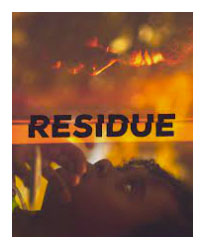
Residue
Synopsis
This striking, deeply atmospheric, and critically acclaimed independent drama film written and directed by Merawi Gerima follows Jay, an aspiring young filmmaker who returns to his rapidly gentrifying hometown neighborhood in Southeast Washington, D.C., after spending years away at college in Los Angeles working on a script about his youth. Upon arrival, Jay is devastated to discover that his childhood home is boarded up, his childhood friends have vanished or drifted away, and the once-vibrant Black working-class community has been completely overhauled by luxury developments and white newcomers. As Jay walks the rapidly transforming streets trying to piece together a script about a neighborhood that no longer exists, his memories blur with harsh current realities, triggering a tense psychological crisis. It is a brilliant, urgent indie masterpiece.
The Making of the Film
The project originated from writer-director Merawi Gerima's fierce personal urgency to document the devastating human toll of gentrification, displacement, and systemic erasure in Washington, D.C.'s historically Black neighborhoods, funding the indie production independently over several years. Gerima sought to craft a non-linear, impressionistic narrative style that mirrored the fragmented memory and psychological disorientation of displacement. Inspiration was drawn from real-world urban displacement, Black community history, and avant-garde cinema. The creative team aimed to produce an uncompromised artistic triumph.
Critical Reception
Critics offered widespread, rapturous acclaim, praising Merawi Gerima's visionary direction, innovative non-linear editing, and Obi Nwachukwu's powerhouse lead performance as Jay. Reviewers noted that Gerima successfully delivered a vital, urgent sociological portrait of gentrification that avoided simplistic melodrama, instead offering a poetic, deeply felt psychological exploration of losing one's geographic and cultural roots. Nwachukwu's intense portrayal of an alienated artist received universal applause following its Netflix release. It was immediately recognized as an independent cinema triumph.
Audience reception was warm among cinephiles and cultural studies enthusiasts, driving strong digital streaming engagement and critical acclaim across independent film platforms. Viewers on public platforms praised the poetic visual style, realistic neighborhood confrontations, and powerful social commentary on gentrification. Fans of indie cinema celebrated Gerima's uncompromising artistic voice. Word-of-mouth sustained strong long-term prestige.
Awards season brought recognition from various independent film festivals and Black film critic ceremonies, honoring Merawi Gerima's breakthrough screenplay and directing achievements. Critics' associations acknowledged the film's vital cultural importance. These accolades cemented its status as a premier masterpiece of modern independent cinema.
Behind-the-Scenes Stories
The director and production team drew visual inspiration from documentary urban photography, avant-garde memory-piece cinema, and Washington, D.C.'s historic go-go music culture to establish a striking aesthetic. Every location, from the rapidly transforming D.C. street corners to sterile coffee shops, was chosen to reflect the painful contrast between the neighborhood's past and present. The production team collaborated with local D.C. residents and artists to ensure that community authenticity remained intact throughout filming. These artistic choices created an immersive indie world.
Production presented fascinating logistical and technical hurdles, requiring Merawi Gerima to shoot independently across real D.C. neighborhoods on a micro-budget with fierce community support. Obi Nwachukwu brought raw emotional vulnerability to his role as the struggling writer. Furthermore, maintaining strict narrative coherence across complex, fragmented memory flashbacks demanded obsessive editorial focus from Gerima.
During the filming of the tense neighborhood confrontation sequences where Jay clashes with new developers, Obi Nwachukwu executed his emotional distress with total professional commitment. To maintain authentic tension, Gerima utilized impressionistic camera cuts. The crew utilized natural urban lighting. This rigorous dedication resulted in standout dramatic moments.
Casting was anchored by securing talented breakout actor Obi Nwachukwu as Jay, alongside an authentic ensemble of local D.C. actors and community members. This targeted casting strategy was the absolute heartbeat of the film's success.
Themes Explored
The narrative deeply explores themes of gentrification, urban displacement, and the cultural erasure of historic Black neighborhoods in American cities. It examines memory, alienation among returning youth, and the pain of seeing one's childhood erased by luxury developments. Additionally, it highlights artistic integrity, community resilience, and psychological trauma. Ultimately, the film reflects on home, loss, and reclaiming one's narrative in a changing world.
Ending Explained
Jay finally completes his deeply personal script about his lost neighborhood while reconciling with the painful reality that his childhood home can never truly be recovered, choosing to carry the living memory of his community forward into his art. In the poignant final shot, Jay walks down a newly gentrified D.C. street with quiet, defiant resolve. The sobering resolution underscores the enduring survival of cultural memory.
Meaning of the Title
The title directly references the emotional and cultural residue left behind in a neighborhood undergoing violent gentrification and displacement ("Residue").
Similar Films
Films sharing similar gentrification themes, urban displacement, and indie Black cinema artistry include The Last Black Man in San Francisco (2019), Blindspotting (2018), and Do the Right Thing (1989).