

 Français
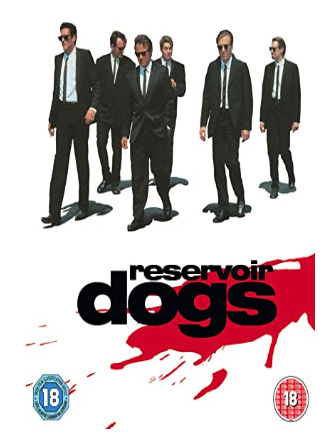
Reservoir Dogs
Synopsis
A group of criminals is hired to carry out an apparently straightforward diamond robbery in Los Angeles. The operation quickly turns into a disaster when the police arrive before the thieves can escape. Several members of the group are killed, while the survivors gather in an abandoned warehouse to understand what went wrong. Convinced that someone has betrayed them, the criminals begin accusing one another and their fragile alliances collapse. As the truth gradually emerges through flashbacks, suspicion, violence and paranoia turn the warehouse into a deadly battlefield.
The Film's Origins
Reservoir Dogs marked the feature-film debut of Quentin Tarantino as a director. The original screenplay was written in 1990 while Tarantino was working at a video rental store in California. His experience watching and discussing films had given him an extensive knowledge of crime cinema and its narrative conventions. He initially imagined producing the project with an extremely limited budget and even considered playing one of the main characters himself. Producer Lawrence Bender recognized the screenplay's potential and helped bring it to the attention of established industry professionals. Harvey Keitel became particularly important to the project after reading the script and agreeing to participate. The filmmakers drew inspiration from classic crime films, especially Stanley Kubrick's The Killing, which influenced the fragmented narrative structure. Rather than showing the robbery itself in detail, Tarantino decided to focus on the psychological consequences of its failure. The film was conceived as an original crime story, not an adaptation of a true event or novel. Its innovative structure and dialogue-driven approach established the distinctive style that would characterize much of Tarantino's later work.
Critical Reception
Reservoir Dogs received very positive reviews from professional critics, particularly after its presentation at the Sundance Film Festival. Many praised Tarantino's screenplay, his unconventional narrative structure and the film's memorable dialogue. Harvey Keitel received considerable attention for his performance as the experienced criminal Mr. White. Michael Madsen's portrayal of the unpredictable Mr. Blonde also became one of the film's most discussed elements. Some critics were disturbed by its graphic violence and deliberately provocative scenes. Nevertheless, its energy, originality and confident direction were widely recognized.
The film became a cult favorite among audiences and developed a strong following through theatrical releases and home video. Its unusual storytelling and distinctive characters attracted viewers interested in independent American cinema. The film's dialogue and musical selections became particularly recognizable. Its reputation grew considerably after the international success of Pulp Fiction. Reservoir Dogs is now regarded as one of the most influential independent crime films of the 1990s.
The film received several important independent cinema distinctions. It won the International Critics' Award at the Toronto International Film Festival and the Critics Award at the Sitges Film Festival. It also received recognition at the Independent Spirit Awards, including nominations for Best First Feature and Best Supporting Male for Steve Buscemi. Although it did not receive major Academy Award nominations, its influence on independent filmmaking has proved considerable.
Behind-the-Scenes Stories
Quentin Tarantino drew inspiration from classic crime films, particularly Stanley Kubrick's The Killing. He wanted to create a story that would feel like a criminal novel, with different chapters revealing new information about the characters. His experience working in a video store also helped him develop an instinctive understanding of genre conventions and cinematic references. The director deliberately emphasized dialogue, personality and tension rather than conventional action sequences.
The production was made with a relatively modest budget, which imposed significant limitations on locations and filming conditions. Much of the story takes place in an abandoned warehouse, allowing the filmmakers to concentrate their resources on performances and atmosphere. The production also required careful coordination because several scenes involved intense physical violence. The cast rehearsed extensively to establish the rhythm of the conversations and the emotional relationships between the characters.
The infamous ear-cutting scene involving Mr. Blonde became one of the most controversial moments in the film. Tarantino originally intended to appear in the scene himself, but he ultimately gave the role to Michael Madsen and performed another character instead. The sequence uses music and off-screen violence to create an unsettling effect. Its combination of casual behavior and brutality became one of the film's most recognizable stylistic moments.
The casting of Harvey Keitel was decisive for the project. His involvement helped attract other actors and gave the independent production greater credibility. Steve Buscemi, Tim Roth, Michael Madsen, Chris Penn and Lawrence Tierney completed the ensemble. Tarantino himself appears as Mr. Brown, while producer Lawrence Bender also has a small role. Several performers contributed to the development of their characters through rehearsals and discussions with the director.
Themes Explored
Reservoir Dogs explores loyalty, betrayal and the fragile nature of trust within criminal organizations. The characters repeatedly claim to respect professional rules, but their behavior reveals how quickly self-interest can destroy solidarity. Suspicion becomes the dominant force after the failed robbery, transforming the warehouse into a place of psychological confrontation. The film also examines masculinity and the importance of reputation within violent social environments. Each criminal attempts to establish authority through language, aggression and displays of confidence. The fragmented narrative raises questions about truth and perspective, as the audience receives information gradually rather than through a conventional chronological story. Violence is presented as unpredictable and often absurd rather than heroic. The characters' conversations about popular culture contrast sharply with the brutality of their actions. The film also questions whether criminal professionalism can survive when personal loyalties are tested. Ultimately, it portrays a world in which trust is constantly demanded but rarely deserved.
Ending Explained
The ending of Reservoir Dogs brings the remaining characters into a final confrontation. Mr. Orange eventually reveals that he is an undercover police officer who infiltrated the criminal group. Mr. White, who had developed a genuine emotional attachment to him, is devastated by the revelation. Their relationship becomes the emotional center of the final moments, as professional loyalty conflicts with personal affection. Mr. Pink attempts to escape with the diamonds while the warehouse fills with the consequences of the failed operation. The final gunfire leaves the fate of several characters uncertain or fatal. Mr. White must confront the fact that the person he tried to protect was responsible for the betrayal. His reaction demonstrates how deeply the criminal world can complicate ordinary human relationships. The ending deliberately refuses a clean resolution and instead emphasizes the destructive nature of suspicion and violence. The film closes on a tragic note, showing that even an apparent bond of friendship cannot survive the rules governing this world. The final confrontation also completes the story's central exploration of trust and betrayal.
Meaning of the Title
The title Reservoir Dogs is deliberately mysterious and does not have a definitive explanation within the film. Quentin Tarantino has discussed different influences and interpretations surrounding the expression. One popular explanation connects it to a mispronunciation of the French film Au revoir les enfants, although the precise origin remains debated. The phrase also has the rough and slightly absurd quality that suits the characters and the film's unconventional tone. Rather than describing the plot directly, it creates an unusual identity for the criminal ensemble. Its ambiguity reflects Tarantino's interest in memorable expressions and unconventional film titles.
Original Soundtrack
The soundtrack of Reservoir Dogs is one of its most distinctive artistic features. Quentin Tarantino built the musical atmosphere around popular songs from the 1960s and 1970s rather than relying on a conventional orchestral score. The fictional radio program K-Billy's Super Sounds of the Seventies provides a recurring musical framework. Stuck in the Middle with You by Stealers Wheel became particularly famous because of its use during the disturbing Mr. Blonde sequence. Other songs, including Little Green Bag by George Baker Selection and Hooked on a Feeling by Blue Swede, also contribute to the film's identity. The contrast between cheerful music and extreme violence creates a deliberately unsettling effect. The soundtrack helped establish Tarantino's influential approach to selecting popular music for cinema.
Films with similar themes include Pulp Fiction, The Killing, The Usual Suspects, The Asphalt Jungle, The Boondock Saints, The Hateful Eight, Snatch and The Departed. These films explore criminal conspiracies, betrayal, fractured loyalties and the unpredictable consequences of organized crime.