

 Français
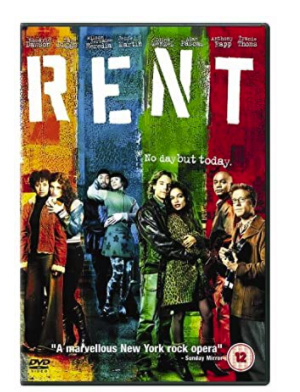
Rent
Synopsis
Set in the impoverished East Village of New York City during the HIV/AIDS epidemic of the early 1990s, a close-knit group of bohemian artists and musicians struggle to pay their rent and survive against overwhelming societal hardships. Among them are an aspiring filmmaker, a dying dancer, a sensitive musician, and a passionate street performer, all seeking artistic expression and love. As illness, poverty, and personal demons threaten to tear their community apart, they vow to measure their lives in love. The poignant musical drama captures bohemian resilience and timeless melodies.
The Making of the Film
Director Chris Columbus adapted the musical film from Jonathan Larson's legendary, Pulitzer Prize-winning 1996 Broadway rock musical of the same name, which was loosely inspired by Giacomo Puccini's opera La Bohème. The inspiration stemmed from preserving Larson's revolutionary musical score while translating the intimate stage production into a cinematic experience following Larson's tragic passing on the eve of Broadway previews. The production team reunited several principal cast members from the original Broadway production to bring authentic theatrical energy to the screen. The script was meticulously structured to maintain the emotional raw power of Larson's musical vision.
Critical Reception and Reviews
Professional critics gave mixed reviews, praising the film's passionate musical numbers, emotional resonance, and the powerhouse performances of returning Broadway cast members like Anthony Rapp and Adam Pascal, while criticizing its overly theatrical direction and dated pacing. Reviewers noted that while translating a high-energy stage musical to film presented narrative challenges, the emotional heart of Larson's music remained intact. Public reception was warm among musical theater enthusiasts. The film earned appreciation for preserving a vital piece of Broadway history.
Behind-the-Scenes Stories
Director Chris Columbus drew visual inspiration from 1990s New York bohemian street culture, gritty urban realism, and documentary photography of the East Village. Production took place on soundstages in San Francisco and New York, constructing detailed tenement and street sets. During the filming of emotional musical sequences, the cast brought their years of live stage chemistry directly to the screen. Several actors from the original Broadway cast reprised their roles after nearly a decade.
Themes Explored
The film explores the HIV/AIDS epidemic, poverty, artistic passion, bohemian lifestyle, mortality, friendship, and measuring life in love.
The emotional climax sees Mimi miraculously reviving after nearly dying, inspiring the remaining friends to embrace life and dedicate their art to Angel's memory.
Meaning of the Title
The title refers directly to the constant financial struggle of paying rent in New York City and the emotional dues paid by artists living on the edge.
Original Soundtrack
Jonathan Larson composed an extraordinary, iconic rock-musical score featuring unforgettable anthems like "Seasons of Love" and "One Song Glory."
The film remains a cherished cinematic adaptation celebrating Jonathan Larson's legendary contribution to musical theater history.
Les Misérables, Chicago, Hair