

 Français
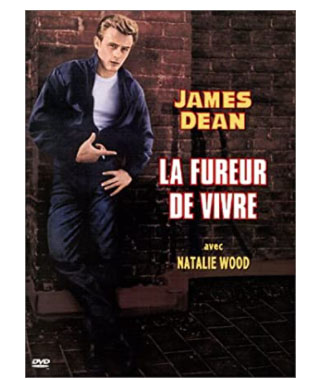
Rebel Without a Cause
Synopsis
Rebel Without a Cause is a legendary, groundbreaking adolescent drama directed by Nicholas Ray that defined teenage angst in American cinema. The story follows Jim Stark, a troubled, sensitive young man who has recently moved with his bickering middle-class parents to Los Angeles, struggling to fit in at a new high school. Shortly after arriving, Jim crosses paths with Judy, a rebellious local girl, and Plato, an emotionally neglected, lonely young boy. Bonded by parental alienation, loneliness, and deep teenage frustration, the trio forms an intense surrogate family while clashing against hostile local delinquent gangs in dangerous stunts like the fatal 'chickie run' cliff race. The film stands as an immortal masterwork of 1950s youth culture.
The Making of the Film
Director Nicholas Ray conceived the film based partly on real psychiatric case studies of juvenile delinquents in the 1950s, aiming to explore the root causes of suburban middle-class teenage rebellion and weak parental guidance. Warner Bros. initially developed the project as a B-movie before recognizing its profound cultural potential, upgrading it to a prestige CinemaScope production in vibrant color. James Dean was cast as Jim Stark, delivering an iconic, volatile lead performance alongside Natalie Wood and Sal Mineo. The film tragically premiered shortly after James Dean's untimely death.
Critical Reception
Professional critics greeted the film upon its release with enthusiastic acclaim, praising its raw emotional honesty, striking CinemaScope cinematography, and James Dean's magnetic lead performance. Reviewers lauded Nicholas Ray's visionary direction for treating teenage alienation and family dysfunction with profound psychological seriousness rather than moralizing judgment. Critics frequently cite it as one of the most influential youth films in cinema history. It became a cultural touchstone worldwide.
Audiences experienced a profound emotional resonance, turning the drama into a massive box office hit and elevating James Dean into an immortal cultural icon of youthful rebellion. Viewers were captivated by the iconic planetarium scenes and red jacket style. Word-of-mouth recommendations cemented its status as an immortal classic. Its legacy remains immensely influential on modern adolescent cinema.
The film achieved major awards success, earning Academy Award nominations for Natalie Wood, Sal Mineo, and screenwriter Stewart Stern, alongside lasting cultural preservation in the Library of Congress.
Behind-the-Scenes Stories
Director Nicholas Ray drew inspiration from juvenile court records, Method acting techniques, and his own observations of post-war suburban youth culture. Coordinating the dangerous cliffside 'chickie run' car race required precise stunt driving and dramatic tension on location in Los Angeles. During the filming of the emotional family argument sequences, James Dean frequently improvised physical outbursts that shocked his co-stars and added authentic rawness. Before James Dean was cast, various other studio contract actors were considered during years of script development.
Themes Explored
Teenage Angst, Alienation, Family Dysfunction, Rebellion, Identity, Youth
Ending Explained
The tragic and heartbreaking climax shows police accidentally shooting Plato outside the planetarium after a tense standoff, leaving Jim and Judy devastated yet united in grief.
Meaning of the Title
The title 'Rebel Without a Cause' reflects the psychological condition of post-war youth who possessed intense rage and frustration without a clear political or social objective.
Original Soundtrack
Leonard Rosenman composed a jazz-influenced, innovative orchestral score that captured the jittery, anxious, and passionate emotional state of teenage angst.
The Wild One, Blackboard Jungle, The Outsiders, The Graduate