

 Français
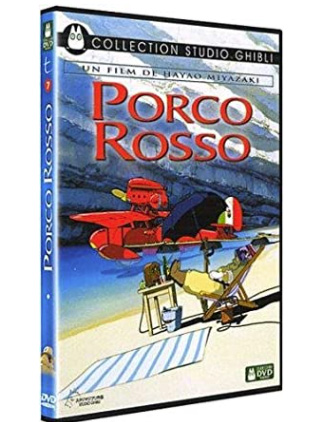
Porco Rosso
Synopsis
Set against the picturesque backdrop of the Adriatic Sea during the interwar period of the 1920s, a cynical Italian World War I flying ace mysteriously cursed with the face of a pig works as a freelance bounty hunter chasing aerial pirates. Known as Porco Rosso, he navigates dogfights, romantic rivalries, and rising fascist political tensions in Italy with nonchalant charm and unmatched piloting skill. When a brash American rival challenges him to a winner-take-all duel, Porco enlists the help of a brilliant teenage aeronautical engineer to rebuild his battered seaplane. This captivating Studio Ghibli aviation adventure blends romantic swashbuckling action with anti-war melancholy.
The Making of the Film
The idea for Porco Rosso originated from Hayao Miyazaki's own passion for vintage military aviation, originally conceived as a short, lighthearted in-flight movie for Japan Airlines based on his watercolor manga series The Age of the Flying Boat. Following the outbreak of the Yugoslav Wars in the early 1990s, Miyazaki expanded the project into a feature-length cinematic work imbued with deeper anti-war commentary, nostalgia, and personal reflection. The production team drew inspiration from classic 1920s aviation history, Mediterranean coastal landscapes, and old-school swashbuckling Hollywood cinema. The film was designed to reflect Miyazaki's complex fascination with mechanical engineering and moral disillusionment.
Critical Reception
Professional critics gave overwhelmingly positive reviews to Porco Rosso, praising its breathtaking aerial dogfight choreography, gorgeous Mediterranean vistas, and surprisingly mature thematic depth. Reviewers lauded Miyazaki for crafting a swashbuckling adventure that seamlessly balanced lighthearted slapstick comedy with poignant reflections on fascism, regret, and aging. The public response was an enormous box office success in Japan, becoming the highest-grossing domestic film of its release year. Audiences were captivated by the charismatic, unrepentant pig protagonist and the vibrant supporting cast. The film received widespread international acclaim and animation awards for its artistic brilliance.
Filming Anecdotes
Director Hayao Miyazaki drew heavy inspiration from early 20th-century European aviation pioneers, classic pulp adventure magazines, and his own lifelong love of mechanical flight. Production involved meticulous research into vintage seaplanes, naval architecture, and 1920s Italian social history to ensure authentic period detailing. During the voice recording sessions, actor Shûichirô Moriyama brought gravelly, world-weary charisma to Porco Rosso, perfectly capturing the character's cynical yet honorable demeanor. Before the final tone was established, Miyazaki initially intended the film to be an even shorter, purely comedic romp before world events shifted his artistic vision toward melancholy.
Main Themes
The film explores deep themes of disillusionment with war, personal honor, fascism versus individual freedom, aging, and finding redemption through craftsmanship and love. It highlights how holding onto past trauma can isolate a person while genuine human connection offers healing. Additionally, it celebrates the pure poetry of aviation.
Ending Explanation
The climax resolves the aerial rivalry when Porco Rosso faces his American rival Curtis in a grueling, exhausted bare-knuckle fistfight rather than a deadly seaplane duel, ending in a mutual exhausted draw. As fascist patrol boats approach the secret island hideout, Porco and his companions make a daring escape into the skies aboard their repaired planes. The film's framing narrator leaves the ultimate fate of Porco delightfully ambiguous, hinting that he eventually lifted his curse, reunited with Gina, and lived out his days flying freely. The film ends on a warm, nostalgic note celebrating freedom and romance.
Title Significance
The title translates from Italian literally as "Red Pig," referring directly to the protagonist's curse and the distinctive crimson color of his beloved fighter seaplane.
The film features a sophisticated, romantic orchestral musical score composed by Joe Hisaishi that evokes the golden age of Mediterranean aviation and jazzy 1920s romance.
NULL
The Wind Rises, Castle in the Sky, Kiki's Delivery Service, Lupin III: The Castle of Cagliostro