

 Français
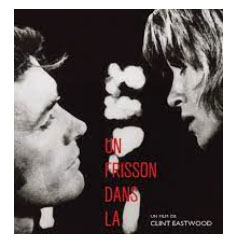
Play Misty for Me
Synopsis
Dave Garver is a late-night radio DJ in the coastal town of Carmel, California, with a loyal audience and an active romantic life. One of his listeners calls every night to request the jazz standard Misty, and soon he meets her in person. After a casual encounter, the woman, Evelyn, becomes obsessively attached to him. As Dave tries to end things, her devotion turns into a terrifying campaign of harassment.
The Making of the Film
Play Misty for Me was Clint Eastwood's first film as a director. The story was written by Jo Heims, who based it on a real experience of a woman being stalked, and the screenplay was developed by Heims and Dean Riesner. Eastwood, who was already a major star thanks to his westerns, wanted to prove that he could direct a smaller, more intimate thriller. He asked his longtime mentor, the director Don Siegel, to appear as the bartender Murphy. Jessica Walter took the role of Evelyn, and Donna Mills played Dave's girlfriend, Tobie. The film was shot on location in Carmel and Monterey, including a sequence at the Monterey Jazz Festival. It was released in 1971.
Critical Reception
Summary of professional reviews
Critics were largely positive and surprised by Eastwood's skillful and suspenseful direction. Jessica Walter's intense performance was widely praised. Some reviewers found the story a little sensational, but many recognized it as a tense and stylish thriller.
Public reception
The film was a commercial success, earning several times its small budget. It later became a landmark of the stalker thriller genre and is often cited as a forerunner of Fatal Attraction.
Awards received
Jessica Walter received a Golden Globe nomination for Best Actress in a Drama for her performance.
Behind-the-Scenes Stories
Director's inspirations
Eastwood was influenced by Don Siegel, with whom he had made several films, and he applied Siegel's efficient, no-nonsense style to his own work. He also drew on the atmosphere of his home area, Carmel, where he later became mayor.
Anecdote about a particular scene
The scene at the Monterey Jazz Festival was shot during the real event, with performers such as Cannonball Adderley appearing on screen. It gave the film a lively, authentic backdrop.
Casting initially planned
Eastwood is said to have cast himself as Dave partly to keep costs low and partly because the role suited his charm. Jessica Walter was chosen after the producers looked for an actress who could be both seductive and frightening.
Themes Explored
The film is about obsession and the dangers of casual relationships. Dave treats his encounter with Evelyn as a passing affair, and he pays a heavy price. It shows how fame, even on a small scale, can attract unhealthy attention. The story also looks at male arrogance and the way women can be dismissed until they become a threat. The calm coastal setting contrasts with the violence that erupts. It remains a pioneering portrait of stalking.
Ending Explained
Evelyn attacks Dave's housekeeper and then tracks him down at his home. After a violent struggle, she falls from a cliff into the sea. The film ends with Dave standing in shock, as the waves crash below. The ending is stark and leaves no room for sentimentality.
Meaning of the Title
The title comes from the request that Evelyn makes every night when she calls the radio show. The jazz tune Misty becomes the symbol of her obsession and of the control that she wants to have over Dave.
Original Soundtrack
The film makes memorable use of Erroll Garner's jazz standard Misty, which gives it its title and its mood. It also features Roberta Flack's hit The First Time Ever I Saw Your Face, which became a major success after being used in the film.
Similar Films
For other stalker thrillers, try Fatal Attraction, The Hand That Rocks the Cradle and Misery. Clint Eastwood's later films, such as Dirty Harry and Unforgiven, show his evolution as an actor and director. Don Siegel's Dirty Harry and Hitchcock's Psycho are also great companions.