

 Français
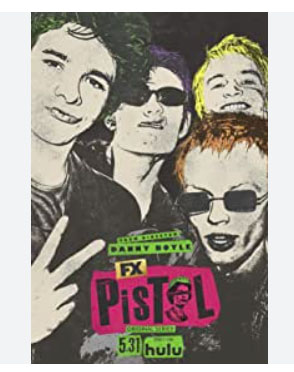
Pistol
Synopsis
Set in the turbulent mid-1970s Britain, the biographical miniseries chronicles the meteoric rise and chaotic implosion of the Sex Pistols, the iconic band that ignited the punk rock revolution. Led by enigmatic guitarist Steve Jones, the band emerges from working-class alienation, unemployment, and anti-establishment fury in London. Alongside manager Malcolm McLaren and fashion icon Vivienne Westwood, they shock polite society with blistering anthems and outrageous television appearances. The series captures the raw energy, anarchy, and ultimate self-destruction of a cultural phenomenon.
The Making of the Film
Director Danny Boyle helmed this high-energy biographical miniseries based on Steve Jones's memoir Lonely Boy: Tales from a Sex Pistol. Screenwriter Craig Pearce adapted the explosive history to capture the raw anti-establishment rebellion of the 1970s London punk scene. The production utilized frantic camera movements, archival documentary footage, and authentic punk aesthetic recreations. Filmmakers aimed to honor the anarchic spirit of the band while exploring the complex human stories beneath the safety pins and dyed hair.
Critical Reception
Critics offered mixed reviews, praising Danny Boyle's characteristically kinetic visual style, stellar young ensemble cast, and authentic punk soundtrack energy. Reviewers commended the show's raw vitality and its focus on Steve Jones's troubled working-class upbringing. Some critics felt the miniseries romanticized anarchic rebellion while oversimplifying complex historical figures like Malcolm McLaren and Vivienne Westwood. Overall, it was regarded as a visually dazzling and rebellious television ride.
Audiences embraced the miniseries for its relentless punk-rock soundtrack, fast-paced storytelling, and fearless attitude toward authority. Viewers appreciated the gritty recreation of 1970s London and the emotional stakes driving the young band members. The performances of the breakout young cast generated widespread praise online. It became a notable prestige streaming event for FX and Hulu.
While traditional film academies bypassed the television miniseries, it earned multiple nominations and technical accolades from television guilds for its costume design and editing. Danny Boyle's visionary direction received warm praise from critics' associations. The project successfully introduced a legendary musical revolution to a brand-new generation of viewers.
Behind-the-Scenes Stories
Director Danny Boyle was inspired by Steve Jones's unfiltered memoir and wanted the visual style to mirror the chaotic, DIY ethos of 1970s punk fanzines. He utilized mixed media, super 8mm film, and rapid-fire editing to recreate the sensory overload of early punk gigs. The production team worked closely with fashion archives to replicate Vivienne Westwood's legendary King's Road boutique designs.
Recreating the explosive, violent club gigs of 1970s London required intense stunt coordination and energetic performances from the young actor-musicians. Managing the complex licensing of iconic punk anthems demanded extensive negotiations. Maintaining historical authenticity while dramatizing wild rock-and-roll mythology presented a constant creative hurdle.
During the infamous television swearing incident on the Bill Grundy show, the young actors rehearsed the chaotic live broadcast chaos repeatedly to capture authentic on-screen anarchy. Toby Wallace learned to play guitar specifically for the role under the guidance of real punk musicians. These immersive preparations gave the concert scenes genuine musical credibility.
Toby Wallace, Anson Boon, Louis Partridge, and Jacob Slater led the cast as the members of the Sex Pistols, supported by Thomas Brodie-Sangster and Talulah Riley. The casting process focused on finding raw, magnetic young talent who could project working-class rebellion. The resulting ensemble delivered phenomenal explosive chemistry.
Themes Explored
The series explores anti-establishment rebellion, working-class rage, the birth of modern punk culture, and the corrupting nature of media fame. It examines how art and music can weaponize youthful frustration against stagnant political systems. The narrative ultimately champions creative freedom and personal reinvention.
Ending Explained
The tumultuous American tour culminates in internal band warfare, drug addiction, and Sid Vicious's downward spiral, leading directly to the band's bitter breakup in San Francisco. Steve Jones realizes that the destructive corporate machine behind punk has corrupted their original anti-establishment dream. Walking away from the chaos, Steve embraces a quieter future of personal artistic survival. The ending offers a melancholy, realistic reflection on the burn-out of pure anarchy.
Meaning of the Title
The title "Pistol" directly refers to the iconic band name "Sex Pistols" while focusing intimately on guitarist and founding member Steve Jones as the narrative anchor. It symbolizes explosive danger, teenage rebellion, and a weaponized voice against the establishment. The concise title sets a gritty, rock-and-roll tone.
Original Soundtrack
Featuring legendary original punk tracks by the Sex Pistols alongside period-appropriate underground rock anthems, the soundtrack is an adrenaline-fueled triumph. The blistering guitar riffs and raw vocal delivery serve as the beating heart of the entire miniseries, thrilling music fans.
Latest News
The miniseries remains a celebrated television tribute to the enduring cultural legacy of the 1970s punk rock movement.
Similar Films
Fans of music biopics and punk culture will enjoy Sid and Nancy (1986), Control (2007), The Runaways (2010), and Bohemian Rhapsody (2018), all exploring legendary rock history.