

 Français
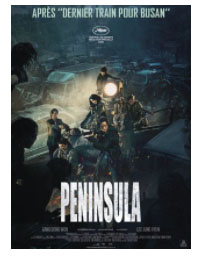
Peninsula
Synopsis
Set four years after the devastating zombie outbreak that turned South Korea into a quarantined wasteland, a former soldier named Jung-seok, who managed to escape abroad, is offered a dangerous mission to return to the deserted peninsula. Tasked with retrieving an abandoned truck filled with millions of dollars in American cash, Jung-seok and his mercenary team infiltrate the ruined streets of Seoul, only to discover a ruthless militia group known as Unit 631 and hordes of relentless zombies waiting for them. With time running out, they must fight their way out of the infected quarantine zone alongside a resilient local family. Ultimately, this high-octane action horror sequel explores survival, redemption, and human brutality amidst post-apocalyptic ruin.
The Making of the Film
Director Yeon Sang-ho returned to expand his cinematic universe following the massive global success of his breakout zombie masterpiece Train to Busan. The project was conceived as a standalone post-apocalyptic action blockbuster exploring the total collapse of civilization and desperate survival in a ruined Seoul. Yeon Sang-ho drew inspiration from dystopian sci-fi classics like Mad Max and Escape from New York, comic books, and video games. The production prioritized massive digital visual effects, high-speed car chases, and gritty tactical combat choreography.
Critical Reception
Critics offered mixed-to-negative reviews upon release, noting that while it delivered impressive high-octane action set-pieces, it lacked the tight emotional intimacy and suspense of its predecessor Train to Busan. Reviewers praised the thrilling car chase sequences and expansive post-apocalyptic world-building. Some film critics, however, criticized its heavy reliance on CGI visual effects and more conventional action-movie tropes. Despite mixed critical opinions, global action and horror fans embraced its blockbuster popcorn entertainment value.
Audiences enjoyed the high-octane zombie action thriller for its relentless pacing, spectacular vehicular stunts, and adrenaline-pumping combat choreography. Viewers on streaming platforms commended the gritty post-apocalyptic aesthetic and the fierce survivalist family dynamic. It found a welcoming global audience among fans of dystopian action films and zombie horror. Many praised its willingness to scale up the action into a full-scale post-apocalyptic war movie.
Although major mainstream cinematic awards bypassed the action sequel release, it earned recognition among international visual effects guilds and box-office milestone charts. The film's elaborate car chase stunt choreography received praise from action film fans. The soundtrack and production design were also celebrated by genre reviewers. These milestones helped cement its reputation as a flashy, high-energy addition to modern zombie cinema.
Behind-the-Scenes Stories
Yeon Sang-ho was heavily inspired by the challenge of imagining what an entire quarantined nation would look like four years after a total zombie apocalypse, drawing parallels to real-world humanitarian disasters. He wanted to shift the genre from a cramped train thriller to an expansive, gasoline-fueled dystopian action spectacle. The visual style utilized ruined urban skylines, neon-lit night combat, high-speed vehicular crashes, and gritty military aesthetics. The director also worked closely with stunt teams to choreograph elaborate driving sequences.
Shooting on location across massive soundstages and custom-built urban ruins in South Korea presented immense digital effects and stunt coordination challenges for the production crew. Lead actor Gang Dong-won performed grueling physical action sequences and tactical firearm training to portray the guilt-ridden former soldier. Lee Jung-hyun brought fierce maternal strength to her role as the leader of the surviving family. Despite the exhausting physical demands of heavy CGI and night-shoot schedules, the technical crew successfully delivered a blockbuster aesthetic.
During the filming of the climactic port escape and truck convoy sequences, the stunt drivers and actors brought explosive energy to their high-speed driving performances. Director Yeon Sang-ho encouraged practical stunts whenever possible to anchor the CGI-heavy world in physical reality. Crew members reported feeling energized by the roaring engines and pyrotechnics echoing across the soundstages. The thrilling momentum of the action set-pieces gave the sequel its adrenaline rush.
Casting directors secured a powerhouse Korean ensemble to anchor the post-apocalyptic blockbuster. Gang Dong-won was secured for the lead role of Jung-seok, bringing star power and gritty action credibility. Lee Jung-hyun was cast as the resilient survivor Min-jung. The supporting cast featuring Lee Re and Koo Kyo-hwan added stellar dramatic weight.
Themes Explored
The film heavily explores post-apocalyptic survival, human cruelty, and redemption in a lawless wasteland. It examines how society degenerates under extreme trauma and isolation. Another core motif is family protection, sacrifice, and hope amidst total destruction. It also touches upon military corruption, greed, and escape.
Ending Explained
The film concludes with Jung-seok, Min-jung, and her surviving family members successfully escaping the ruined peninsula aboard a rescue helicopter after a thrilling final shootout and vehicular chase against the villainous militia. Looking down at the receding quarantined wasteland, Jung-seok finds emotional redemption by finally saving a family he previously failed. The final uplifting shots show them flying toward safety and a new life abroad. This action-packed finish offers a triumphant survivalist resolution.
Meaning of the Title
The title refers directly to the geographic isolation of the Korean Peninsula, which has been entirely quarantined and abandoned to the zombie hordes following the outbreak. It highlights the vast, inescapable trap that the characters must infiltrate and escape. The single-word phrasing sets a stark, dystopian tone for the action sequel. It encapsulates the ruined setting where the entire story unfolds.
Similar films include Train to Busan, Army of the Dead, 28 Weeks Later, and Mad Max: Fury Road, which feature post-apocalyptic survival, zombie hordes, and high-octane action.