

 Français
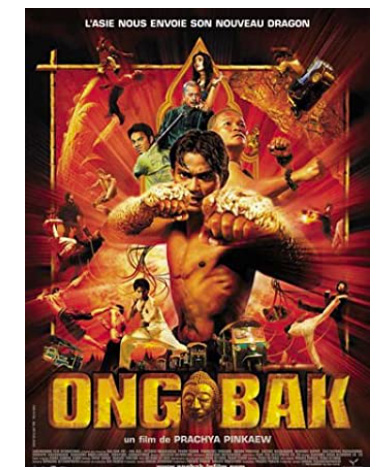
Ong-Bak: The Thai Warrior
Synopsis
In a small rural village in Thailand, the sacred head of a Buddha statue known as Ong-Bak is stolen by criminals. A young martial artist named Ting volunteers to travel to Bangkok and recover the missing relic. His search leads him into a dangerous underground world of illegal fighting, organized crime, and corruption. With the help of a former villager and a young woman, he follows the trail of the thieves through the city. Ting refuses to rely on weapons, instead using his extraordinary Muay Thai skills to confront his enemies. His journey becomes a spectacular demonstration of traditional Thai martial arts and the determination to protect something sacred.
The Film's Origins
Ong-Bak was developed through the collaboration of director Prachya Pinkaew and martial arts specialist Panna Rittikrai. The project was conceived as an opportunity to introduce traditional Thai fighting techniques to international audiences. Tony Jaa, whose birth name is Panom Yeerum, became the central performer and the principal attraction of the production. The filmmakers wanted to create an action film that emphasized authentic physical ability rather than relying heavily on computer-generated effects. The story of a stolen Buddha statue provided a simple narrative framework for a series of increasingly spectacular confrontations. Production development began several years before the film's completion in 2003. The project drew on Muay Boran, an older form of Thai martial arts associated with powerful strikes, knees, elbows, and close-range techniques. Its international success helped introduce Tony Jaa to audiences around the world.
Critical Reception
Professional Reviews: Critics praised Ong-Bak for its spectacular action sequences and the physical abilities of Tony Jaa. Many reviewers considered the film an important contribution to martial arts cinema because of its emphasis on practical stunts and authentic fighting techniques. The choreography was particularly admired for its speed, intensity, and apparent lack of reliance on digital effects. Some critics considered the screenplay relatively simple and the supporting characters less developed. Nevertheless, the film's action sequences were widely recognized as its greatest achievement. Its distinctive Thai identity also attracted positive attention.
Audience Reception: Ong-Bak became an international success among martial arts fans and action-film audiences. Viewers were particularly impressed by Tony Jaa's athletic performances and the apparent danger of several stunts. Its popularity helped generate renewed interest in Thai action cinema. The film also introduced many international viewers to Muay Thai and Muay Boran. Its success led to additional productions featuring Tony Jaa and helped establish him as a major martial arts performer.
Awards and Recognition: Ong-Bak received international recognition through film festivals and specialist action-cinema presentations. Its selection for the Busan International Film Festival and subsequent screenings helped introduce the production to a wider audience. The film was also presented at AFI FEST as part of a program highlighting important Asian cinema. Although it was not a major international awards contender, its technical and physical achievements received considerable recognition. Its influence on martial arts filmmaking became more important than its formal awards record.
Behind-the-Scenes Stories
Director's Inspirations: Prachya Pinkaew and Panna Rittikrai wanted to distinguish Thai action cinema from the Hong Kong and Hollywood productions dominating international markets. They emphasized traditional Thai fighting methods and the physical abilities of the performers. Tony Jaa became central to this approach because of his extensive martial arts training. The filmmakers also wanted the Buddha statue to represent an important cultural and spiritual symbol rather than simply an object of commercial value. Their approach combined traditional Thai identity with the universal appeal of action cinema.
Production Challenges: Tony Jaa underwent several years of intensive preparation for the film, training extensively in Muay Thai and Muay Boran. His preparation involved demanding daily exercises and the repetition of complex movements until they could be performed reliably. The production also required numerous dangerous stunts, many of which were performed without conventional visual effects. Coordinating these sequences demanded careful planning and extensive rehearsal. The filmmakers needed to balance the desire for spectacular action with the physical safety of the performers.
Memorable Scene: The sequence in which Ting pursues criminals through Bangkok is one of the film's most recognizable passages. His ability to move through obstacles and confront several opponents demonstrates the athletic qualities that distinguish the production. Another memorable moment involves a series of increasingly difficult challenges in an underground fighting environment. The choreography highlights knees, elbows, jumps, and acrobatic movements. These sequences helped establish Tony Jaa as an exceptional action performer.
Originally Considered Casting: Tony Jaa was the essential casting choice for Ting because the entire project was built around his martial arts abilities. Petchtai Wongkamlao was selected to play George, providing comic relief alongside the more serious action sequences. Pumwaree Yodkamol portrayed Muay Lek. The production also involved martial arts performers trained by Panna Rittikrai. There is no sufficiently documented complete list of alternative actors seriously considered for the principal roles.
Themes Explored
Ong-Bak explores cultural identity, spiritual heritage, courage, loyalty, corruption, and the preservation of tradition. The stolen Buddha statue represents the collective identity and spiritual values of a rural community. Ting's journey demonstrates the importance of defending something that belongs to everyone rather than seeking personal recognition. The contrast between the village and Bangkok highlights the tensions between traditional values and urban criminality. The film also celebrates physical discipline, perseverance, and respect for martial arts. Ting refuses to abandon his principles even when confronted with dangerous opponents. His actions suggest that true strength involves self-control and responsibility. The production also emphasizes the cultural significance of Thai martial arts and their place within national heritage.
Ending Explained
Ting eventually confronts the criminals responsible for stealing the sacred Buddha head and succeeds in recovering the missing relic. His victories are not simply the result of physical strength but also of his determination to protect his village. The return of Ong-Bak restores an important symbol of unity and spiritual continuity to the community. The criminals' defeat demonstrates the consequences of exploiting religious heritage for personal gain. Ting's journey also transforms him by exposing him to the dangers and moral compromises of the modern city. Despite these experiences, he remains committed to the values that guided him from the beginning. The conclusion celebrates the triumph of courage and cultural loyalty over greed and violence.
Meaning of the Title
Ong-Bak refers to the sacred Buddha statue whose head is stolen from the village at the beginning of the film. The name becomes the central symbol around which the entire story develops. The missing statue represents more than a religious object because it embodies the spiritual identity and shared heritage of the community. Its recovery therefore becomes a matter of collective honor and cultural preservation. The English subtitle The Thai Warrior emphasizes the national and martial arts identity of the protagonist. Together, the titles communicate the film's connection to Thai traditions and action cinema.
Original Soundtrack
The soundtrack combines contemporary action music with musical elements associated with Thai culture. Its energetic rhythms support the rapid pace of the fight sequences and the movement through Bangkok. The music helps distinguish the rural setting from the urban criminal environment. Traditional musical influences also reinforce the film's cultural identity. Rather than relying on a single dominant orchestral theme, the soundtrack contributes to the overall atmosphere of the action scenes.
Similar Movies
Films featuring comparable martial arts action include The Protector, another Tony Jaa production showcasing Muay Thai techniques and elaborate physical stunts. Drunken Master offers a different interpretation of traditional martial arts through Jackie Chan's distinctive comic style. The Raid focuses on intense close-quarters combat and relentless action choreography. Police Story combines practical stunts with inventive action filmmaking. Enter the Dragon remains an influential example of martial arts cinema and cultural identity. These productions share Ong-Bak's emphasis on physical performance and memorable fight sequences.